 Health
  Find a
  Book an
 Nausea and Stomach Pain: Causes, Remedies, and Prevention
April 9, 2026
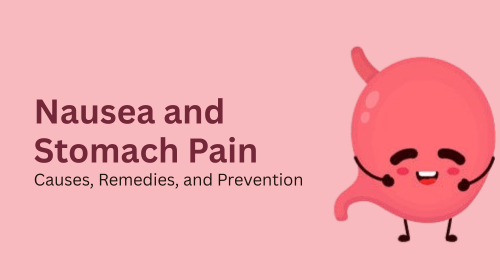
Stomach aches and nausea are common complaints among children and elders. The reasons behind these could range from overeating to infection to gastrointestinal disorders to anxiety. The noises that the stomach makes, such as growling, rumbling, and gurgling in the stomach pit, are something that everybody experiences. If it gets worse, it can lead to nausea and vomiting, and nausea can ruin one’s day as the nauseous feeling prevails the whole day for some. Nausea and vomiting are not a disease but could be the symptoms of many stomach-related conditions like stomach flu, motion sickness, food poisoning, blocked intestine, concussion or brain injury, appendicitis, and migraines.
How Is Nausea Different from Vomiting?
Nausea is discomfort and tumult of the stomach that is often accompanied by vomiting, but doesn’t always lead to vomiting. Vomiting is the sudden, forceful release of stomach contents through the mouth, which can happen with or without your control. It can be triggered by issues in the stomach and intestines, such as infections, injuries, or food irritation, as well as by problems in the inner ear, like dizziness or motion sickness, or in the brain, including head injuries, infections, tumours, or migraines.
What Causes Stomach Ache, Nausea, and Vomiting?
Stomach Pain – Many conditions cause it; nonetheless, the most common reasons are infection, abnormal growths, inflammation, and intestinal disorders. Infections in the throat, intestines, or bloodstream can allow bacteria to reach the digestive tract, leading to abdominal pain. These infections could also change digestion, viz diarrhoea and constipation.
Nausea and vomiting – The common cause of nausea in adults is intense pain, usually from an illness or injury, and the first trimester of pregnancy. The other reasons include motion sickness, indigestion, food poisoning, and exposure to toxic chemicals and viruses.
The vomiting in children could be caused by motion sickness, coughing, high fever, or overeating.
Long-term and chronic conditions can also cause nausea and vomiting. These chronic conditions often appear with other symptoms like diarrhoea, constipation, and abdominal pain. They include food intolerances such as celiac disease, dairy protein sensitivity, and lactose intolerance. Irritable bowel syndrome (IBS) is a common stomach condition that causes bloating, nausea, vomiting, heartburn, fatigue, and cramping.
Treatment
The treatment for nausea and stomach pain depends on the cause and how severe the symptoms are. In many cases, simple care at home can help. In some situations, you may need medicines or medical treatment.
1. Rest and Time
Some common problems, like mild food poisoning or stomach infections, get better on their own. Giving your body time to heal and taking proper rest can help reduce symptoms.
2. Diet Changes
What you eat plays an important role in recovery. You can:
- Eat light and simple foods like rice, bananas, or toast
- Avoid spicy, oily, or heavy meals
- Drink clear fluids like water or coconut water
- Eat small meals more often instead of large meals
These changes can help your stomach feel better and reduce nausea.
3. Medicines
Doctors may suggest medicines based on your condition, such as:
- Anti-nausea medicines to control vomiting
- Antacids to reduce stomach acid
- Antibiotics, if there is a bacterial infection
- Oral rehydration solutions to prevent dehydration
Always take medicines only as advised by a doctor.
4. Medical Tests and Care
If symptoms are severe or do not improve, your doctor may suggest tests to find the cause. Based on the results, they will decide the right treatment plan.
Home Remedies
Simple remedies may provide relief, such as:
1. Hydrate
Dehydration can increase the possibility of nausea/vomiting and stomach aches. A diet of clear liquids can provide the sugar, salt, and some nutrients that the body needs until one can eat solid food again. Clear liquids are easy to digest, and not putting extra effort into the stomach and intestine is ideal. The best liquids to consume when nauseous are
- Clear broth
- Clear juice
- Ginger ale
- Water
2. Peppermint Tea
Rich in vitamins, minerals, and antioxidants, peppermint tea is used to treat various ailments. One of its most recognised benefits is easing nausea by calming the stomach. In oil form and through aromatherapy, peppermint has been studied as a nausea remedy among pregnant people.
3. Ginger
Ginger is an herb that is widely known and used for its medicinal properties. One of the most common uses of ginger is as a remedy for nausea. The natural compounds in ginger, like gingerols and shogaols, help the stomach empty more quickly, which can ease indigestion and reduce nausea. These chemicals help in reducing nausea and vomiting.
4. Mint
The menthol in mint prevents vomiting and diarrhoea, reduces muscle spasms in the intestine, and relieves pain. Raw and cooked mint leaves are the best for consumption and help get rid of indigestion, gas, and diarrhoea.
5. Bland Meals/ BRAT Diet
BRAT stands for Banana, Rice, Applesauce, and Toast. These are bland and starch-rich foods that help reduce nausea, and bland foods are easy to digest and can help settle the stomach.
6. Cinnamon
Cinnamon is rich in antioxidants that can support digestion and help protect the digestive tract from irritation and damage.
7. Lemon and Soda
Combining lime or lemon juice with water and a pinch of baking soda can ease various digestive issues. The mixture forms carbonic acid, which may help relieve gas and indigestion.
8. Basil
Basil contains substances that reduce gas, increase appetite, relieve cramps, and improve overall digestion. Eugenol, a natural compound found in basil, may aid in controlling excess acid production in the stomach.
9. Cloves
Cloves have compounds that can help relieve gas and boost gastric secretions, aiding in faster digestion and easing pressure and cramps. They may also help reduce nausea and vomiting.
10. Cumins
The active compounds in cumin seeds may help ease indigestion, lower excess stomach acid, reduce gas and intestinal inflammation, and provide antimicrobial benefits.
Prevention Tips
Preventing nausea and stomach pain involves maintaining healthy dietary habits, staying hydrated, and managing stress effectively. Here are some practical prevention strategies:
- Eat Slowly and Mindfully – Chew food thoroughly and avoid overeating to reduce bloating and indigestion.
- Avoid Trigger Foods – Identify and limit foods that irritate your stomach, such as spicy, fatty, or processed meals.
- Consume Cold or Room-Temperature Foods – Some people find the smell of hot food nauseating, so eating cooler foods may help.
- Rest After Eating – Keeping your head elevated while resting can prevent nausea from worsening.
- Stay Hydrated – Drinking enough water supports digestion and prevents constipation.
- Incorporate Probiotics – Yogurt and probiotic supplements support a balanced and healthy gut microbiome.
- Manage Stress – Engage in relaxation techniques like deep breathing, yoga, or meditation to reduce stress-related stomach discomfort.
- Exercise Regularly – Moderate physical activity supports digestion and helps prevent bloating and constipation.
- Limit Alcohol and Caffeine – Both may harm the stomach lining and raise the chances of developing acid reflux or stomach ulcers.
- Practice Good Hygiene – Wash hands regularly to lower the risk of stomach infections.
- Be Aware of Food Intolerances – If certain foods cause discomfort, consult a doctor and adjust your diet accordingly.
Implementing these strategies can greatly minimise the risk of nausea and stomach pain. Seek medical advice if your symptoms don’t improve or start getting more severe.
When to See a Doctor
Nausea and stomach pain usually go away on their own, but seek medical help if you experience:
- Severe or ongoing pain that affects daily life.
- Vomiting lasting more than 48 hours in adults, 24 hours in children, or 12 hours in infants.
- Vomiting blood or black, tarry stools.
- High fever, dizziness, or confusion.
- Signs of dehydration include dark urine or extreme thirst.
- Unexplained weight loss or swelling in the abdomen.
If your symptoms do not improve or become more severe, reach out to a healthcare professional promptly.