 Health
  Find a
  Book an
 Abdominal Pain: Causes, Types, and Treatment
December 29, 2025
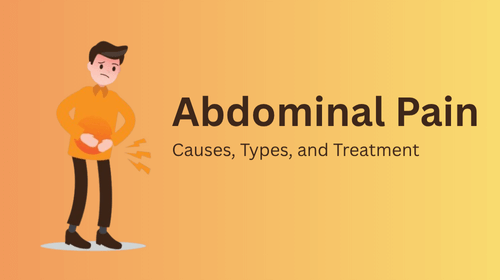
Abdominal pain or discomfort in the area between the ribs and the pelvis is common for everyone. It is often referred to as stomach pain or a stomach ache, although the pain may originate from different internal organs. The abdomen contains many organs, including the stomach, liver, pancreas, small and large intestines, reproductive organs, and major blood vessels.
Abdominal pain can range in type and severity, from occasional cramps and sharp stabs to a constant, dull ache. Even mild discomfort may indicate an underlying serious condition.
Types
| Acute Pain | Chronic Pain | Progressive Pain | Colicky Pain |
|---|---|---|---|
| Acute abdominal pain develops and often resolves over a few hours to a few days. | Chronic abdominal pain is present for more than three months. It may be present all the time, or it may come and go. | The pain gradually intensifies and is usually accompanied by additional symptoms. | Colicky pain comes in sudden, intense waves that begin and end abruptly. It is often intense, with kidney stones being a common cause. |
When Should a Person Visit a Gastroenterologist?
One should consult a gastroenterologist if these symptoms continue.
- Abdominal pain
- Constant vomiting
- Dark colored urine
- Fever
- Not urinating frequently
- No proper bowel movement
- Pain during peeing
- Pain lasts more than a few hours
- Swelling in the belly
- Tender belly to touch
- Trouble breathing
- Vomit blood
- Unexplained weight loss
- Yellow skin
Causes
Abdominal pain can stem from various factors, whether it’s a dull ache or intense cramping. Common causes include indigestion, constipation, a stomach virus, or, in women, menstrual cramps. Other possible causes could include
- Abdominal muscle strain or pulls
- Food allergies
- Food poisoning
- Gas
- Irritable bowel syndrome
- Lactose intolerance
- Urinary tract infection
Other Underlying Conditions
- Abdominal aortic aneurysm (bulge in the main abdominal artery)
- Appendicitis
- Bowel blockage or obstruction
- Cancer affecting the stomach, pancreas, liver, bile duct, gallbladder, or immune cells
- Cholecystitis (inflammation of the gallbladder)
- Ectopic pregnancy (fertilized egg attaches outside the womb, most often in a Fallopian tube)
- Endometriosis
- Hernia
- Heart Burn
- Kidney stones
- Gallstones
- Gastroesophageal reflux disease (GERD)
- Reduced intestinal blood flow due to a blocked vessel
- Ovarian cysts or cancer
- Pancreatitis (inflammation of the pancreas)
- Pelvic Inflammatory Disease
- Ulcer
Risk During Pregnancy
Mild abdominal pain is common in pregnancy, but some cases require medical attention.
Common Causes
- Round Ligament Pain: Sharp or dull aches as the uterus expands, common in the second trimester.
- Gas & Constipation: Slowed digestion due to progesterone; hydration and fiber help.
- Braxton-Hicks Contractions: Mild, irregular tightening of the abdomen, eased by hydration.
Serious Causes Needing Medical Attention
- Ectopic Pregnancy: Severe pain and bleeding from an egg implanting outside the uterus.
- Placental Abruption: Constant pain, bleeding, or premature water breakage.
- Miscarriage: Cramping, bleeding, back pain, and loss of pregnancy symptoms.
- UTI: Lower abdominal pain, burning urination, and possible kidney infection.
- Preeclampsia: Upper right abdominal pain, nausea, and high blood pressure.
Seek medical help for severe or persistent pain.
Abdominal Pain After Eating
Abdominal pain after meals can occur due to several reasons, including:
- Indigestion: Caused by overeating, eating too quickly, or consuming fatty foods. It can lead to upper abdominal pain, a burning sensation, and a feeling of fullness.
- Gas and bloating: Excess gas can get trapped in the abdomen, causing discomfort. This may happen due to high-fiber foods, swallowing air, or digestive conditions.
- Constipation: Difficulty passing stools can cause abdominal pain, often due to low fiber intake or not drinking enough water.
- Diarrhoea: Frequent loose stools may be accompanied by stomach cramps. It may occur due to food poisoning or food sensitivities.
- Food intolerance: Difficulty digesting certain foods, such as dairy in lactose intolerance, can lead to abdominal pain after eating.
- Food poisoning: Eating contaminated food can cause abdominal pain along with other digestive symptoms.
Abdominal Pain on the Right Side
Pain on the right side of the abdomen can be linked to problems in different organs, depending on the location of the pain.
- Lower right abdominal pain:
This may indicate an issue with the appendix, such as appendicitis or, in rare cases, appendix cancer. - Upper right abdominal pain:
This area contains important organs like the liver, right kidney, and gallbladder. Pain here may be caused by:- Hepatitis (alcoholic, viral, toxic, metabolic, or autoimmune)
- Gallstones
- Liver diseases, including liver cancer
- Gallbladder cancer
- Gallbladder inflammation (cholecystitis)
- Kidney infection
- Kidney stones
- Duodenal ulcer
- Large bowel obstruction
Persistent or severe right-sided abdominal pain should always be evaluated by a doctor.
Abdominal Pain on the Left Side
Pain on the left side of the abdomen can point to different conditions based on where it occurs.
- Lower left abdominal pain: Most commonly caused by diverticulitis. Irritable bowel syndrome (IBS) can also cause pain in this area.
- Upper left abdominal pain: May be due to pancreatitis, stomach ulcers or gastritis, an enlarged spleen, kidney infection or stones, or, in rare cases, cancer.
- Referred pain from the chest: Sometimes pain felt in the upper left abdomen comes from chest conditions such as heartburn, heart disease, lung infections, or inflammation around the heart or lungs.
Persistent or severe pain should be checked by a doctor.
Treatment
The treatment for abdominal pain depends on its underlying cause. A gastroenterologist will first identify the cause and then recommend appropriate treatment. This may include self-care measures, over-the-counter or prescription medications, or procedures such as injections or surgery.
Medicament Options
It is important to consult a doctor or gastroenterologist for abdominal pain. Not all abdominal pain requires antibiotics or medication, and taking medicines without medical advice is strongly discouraged. In some cases, self-medication can further irritate the stomach and worsen the pain.
If an individual has an underlying condition such as appendicitis, an abdominal aortic aneurysm, bowel obstruction, cancer, or gastroesophageal reflux disease (GERD), medical treatment may be required. In such cases, the doctor may prescribe appropriate medications.
- Drugs to manage gastroesophageal reflux disease (GERD)
- Antibiotics to treat infections
- Medications to reduce inflammation
- Targeted therapies for inflammatory bowel disease (IBD)
Procedures and Surgery
In uncommon situations, severe abdominal pain may necessitate medical interventions or surgery. This is typically the case for conditions like inflammatory bowel disease, appendicitis, hernias, and other serious abdominal disorders. These procedures may include the following:
- Injection of a numbing agent
- Corticosteroid injections
- Hernia repair surgery
- Appendectomy
Self-Care/Home Remedies
Home remedies can often help reduce and manage abdominal pain. Here are some tips to help soothe your discomfort.
- Chew food well
- Drink beverages at room temperature
- Consume smaller meals more frequently.
- Engage in physical activities
- Limit caffeine and alcohol
- Manage your stress
- Apply a hot water bottle or a heated wheat bag to your abdomen.
- Opt for mild and bland foods such as rice, bananas, or applesauce.
Frequently Asked Questions
1. What causes abdominal pain after eating?
Abdominal pain after eating may result from indigestion, food intolerances, inflammation, or gallbladder issues.
2. How do I know if my stomach pain is gas?
Gas pain is usually sharp, cramp-like, and may come in waves. It often causes bloating, a tight feeling in the stomach, and relief after passing gas or a bowel movement. Gurgling sounds may also be present. If the pain is intense or continues for a long time, consult a doctor.