 Health
  Find a
  Book an
 Irritable Bowel Syndrome: Symptoms, Causes, and Home Remedies
June 27, 2025
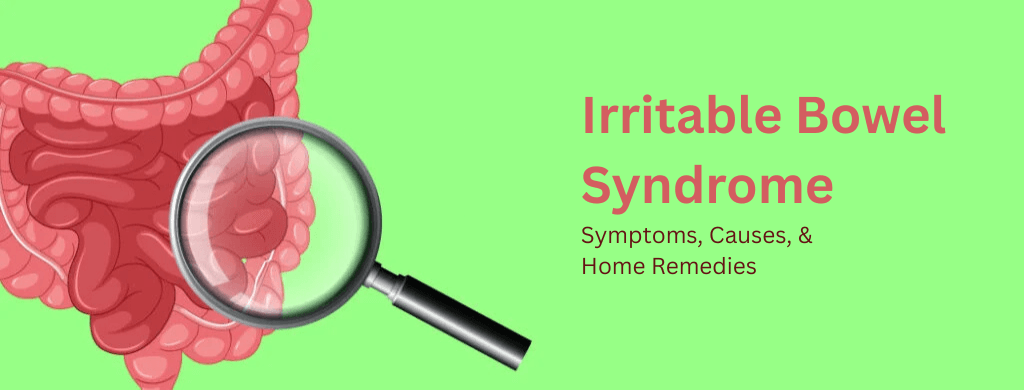
Irritable Bowel Syndrome (IBS) is a common digestive disorder that affects the lower gastrointestinal tract, which includes the stomach and the large intestine. It causes symptoms such as cramping, abdominal pain, bloating, gas, and irregular bowel movements, including diarrhoea, constipation, or both. Since IBS is a chronic condition, managing it requires long-term care.
Most individuals with IBS experience mild to moderate symptoms that can be effectively controlled through dietary adjustments, lifestyle changes, and stress management. However, those with severe symptoms may need medications or therapy for better relief. Unlike other digestive conditions, IBS does not harm the bowel lining or raise the risk of colorectal cancer.
Irritable bowel syndrome, or IBS, is a group of signs that affect your digestive system. It is a common but unpleasant digestive disease. Excessive gas, cramps, and abdominal pain are symptoms of IBS.
What Exactly is a Functional GI condition?
Functional gastrointestinal (GI) disorders include IBS. These ailments, also called illnesses of gut-brain symbiosis, are linked to issues with how your gut and brain function together.
These issues can make your digestive tract extremely sensitive and alter the contraction of your gut muscles. Constipation, diarrhoea, and abdominal pain can follow.
Types
Doctors group IBS into types based on changes in bowel movements during symptom flare-ups. On some days, bowel movements may be normal, while on other days they may change. These changes help define the type of IBS.
IBS with constipation (IBS-C) – Most bowel movements are hard and difficult to pass.
IBS with diarrhea (IBS-D) – Most bowel movements are loose and watery.
IBS with mixed bowel habits (IBS-M) – Bowel movements switch between constipation and diarrhea. Some stools are hard and lumpy, while others are loose.
Knowing the type of IBS is important because some treatments work better for certain types.
Causes
Doctors do not know the exact cause of Irritable Bowel Syndrome (IBS). It usually develops due to a mix of problems related to the gut and the brain. These issues affect how the digestive system works and reacts.
- Irregular bowel movement activity: The muscles in the intestines may move too fast or too slow. Fast movement can cause diarrhoea, gas, and cramps. Slow movement can lead to constipation and hard stools.
- Sensitive digestive nerves: The nerves in the gut may be more sensitive than normal. This makes the stomach and intestines react strongly to gas or stool, leading to pain and discomfort.
- Poor gut–brain coordination: Messages between the brain and the digestive system may not work properly. This can cause the body to overreact to normal digestion and trigger IBS symptoms.
- Changes in gut bacteria: An imbalance in healthy bacteria inside the intestines can affect digestion and bowel habits. This change may increase bloating, pain, and irregular stools.
- Past stomach infections: Some people develop IBS after a serious stomach or intestinal infection. These infections can disturb normal gut function even after recovery.
- Food sensitivity: Certain foods and drinks may irritate the digestive system. This does not mean a true allergy, but the gut reacts poorly to some items.
- Stress, especially in early life: High stress levels, particularly during childhood, can affect how the gut works. Stress can worsen IBS symptoms and make them happen more often.
IBS often develops when several of these factors occur together, rather than from one single cause.
Triggers
IBS symptoms can flare up when the body reacts to certain everyday factors. These triggers do not cause IBS, but they can make symptoms appear or become worse.
- Certain foods and drinks: Some foods can irritate the digestive system. Common triggers include wheat, dairy products, citrus fruits, beans, cabbage, and fizzy drinks. Foods that cause gas can also increase bloating and pain. Triggers may differ from person to person.
- Food sensitivity: Many people with IBS react to specific foods even without a true food allergy. These foods can upset digestion and lead to cramps, diarrhoea, or constipation.
- Stress and anxiety: Emotional stress can strongly affect the gut. During stressful periods, IBS symptoms often become more frequent or severe. The gut may react quickly to tension or worry.
- Hormonal changes: Some people notice stronger symptoms during certain times, such as around menstrual periods. Hormone changes can influence bowel movements and pain levels.
Understanding personal triggers helps people manage IBS better and reduce symptom flare-ups through lifestyle and diet changes.
Symptoms
- Stomach ache
- Release of excessive gas
- The presence of whitish mucus in your stool
- Cramps or bloating (related to passing stool)
- A sensation of incomplete bowel evacuation after passing stool
- A change in stool appearance
People with IBS frequently experience periods of both diarrhoea and constipation. Gas and bloating symptoms normally disappear following a bowel movement.
IBS symptoms don’t always last a long time. They may be able to resolve this, but then return. However, some people do experience persistent symptoms.
Diarrhoea
One particular variety of IBS is diarrheal IBS. Your big intestine is mostly impacted. Prevalent faeces and nausea are frequent symptoms of IBS with diarrhoea. IBS sufferers who experience diarrhoea sometimes experience bowel incontinence.
Constipation
Constipation-related IBS is a condition that usually affects teenagers and young adults. The most typical symptoms of this type of IBS include constipation, hard, less frequent stools, and stool hardness.
Stress
Your neural system plays a major role in regulating your digestive system’s automatic movement or motility. Nerve damage from stress might cause your digestive system to become hyperactive. If you have IBS, your colon may react strongly to a small digestive disruption. The immune system, which is impacted by stress, is also thought to have a role in IBS.
How Does IBS Affect the Body?
The colon muscle contracts more frequently in IBS sufferers than in healthy individuals. Cramping and pain result from these contractions. Additionally, IBS people often have reduced pain tolerances. Further, research has indicated that an excess of microorganisms in the GI tract may exacerbate IBS symptoms.
IBS (Irritable Bowel Syndrome) is also known by several other names, including:
- Spastic Colon
- Irritable Colon
- Spastic Bowel
- Mucous Colitis
- Nervous Stomach
Nervous stomach since symptoms frequently appear when experiencing emotional stress, tension, or anxiety.
Risk Factors
Irritable Bowel Syndrome (IBS) is more common in some people.
You may have a higher risk of IBS if you:
- Are under 50 years of age
- Are female
- Have a family history of IBS
- Have anxiety, depression, or high stress
- Have food intolerance
- Had a past stomach or intestinal infection
- Used antibiotics
- Have other long-term pain conditions, such as fibromyalgia
These factors can increase the chance of developing IBS.
Diagnosis
Consult your doctor if you’ve been experiencing unpleasant GI problems. A medical history and physical exam are the initial steps in diagnosing IBS. Next, your doctor will question your symptoms:
- Do you experience bowel movement pain?
- Have you noticed a change in how frequently you urinate?
- Has the appearance of your stools changed?
- How often do your symptoms occur?
- When did your signs first appear?
- Which medications are you taking?
- Have you had a difficult situation or a recent illness lately?
Depending on your symptoms, you might require additional testing to confirm a diagnosis. Blood tests, stool samples, and X-rays can rule out other conditions that resemble IBS.
Do I Need to See a Gastroenterologist?
If you are experiencing IBS symptoms, consult your primary care physician first. Your doctor may suggest that you see a gastroenterologist who focuses on identifying and treating conditions affecting the digestive system. The following medical conditions can be identified and treated by a gastroenterologist.
- IBS
- Colon (colorectal) cancer
- Liver disease
- Swallowing and oesophageal disorders
- Pancreas disorder
How to Manage Irritable Bowel Syndrome
Dietary changes may help with bloating, stomach pain, and diarrhoea. For instance, limiting one’s caffeinated beverages and fatty meals may help someone with IBS and diarrhoea. Avoid consuming caffeine and fatty foods, as they increase colonic contractions.
If you have bloating and abdominal pain, eat less food that contains carbohydrates that are poorly digested in the small intestine. For instance, large amounts of foods like lactose, fructose, and sorbitol may increase intestinal gas production and worsen IBS symptoms like bloating, diarrhoea, and stomach pain.
These fermentable carbohydrates are present in many healthful foods, including fruits, vegetables, and fiber, which is another cause of intestinal gas. Finding the ideal balance of wholesome meals might be challenging if you have IBS.
No matter what diet you are on, consulting a nutritionist will ensure you get all the necessary nutrients.
In addition to maintaining a balanced diet, adjusting certain daily habits can help support overall health.
- Regular exercise
- Stop smoking
- Try some relaxation techniques
- Eat more frequently, smaller meals
Keep a food journal to identify the meals that cause IBS flare-ups. Common triggers include red peppers, green onions, red wine, wheat, and cow’s milk.
Home Remedies
Without the aid of medicine, certain lifestyle adjustments or at-home therapies may assist in reducing your IBS symptoms. These lifestyle modifications include, for instance:
- Taking part in regular physical activity
- Reducing coffee consumption because it stimulates the intestines
- Eating smaller meals
- Reducing stress (talk therapy may help)
- Consuming probiotics, or “good” bacteria, can reduce gas and bloating. These bacteria are often present in the intestines.
- Avoiding spicy or deep-fried foods
Effective Tips to Reduce IBS Symptoms Naturally
| Do’s | Don’ts |
|---|---|
| Cook meals with fresh ingredients | Do not skip meals |
| Keep a food journal and note any symptoms you experience; try to stay away from anything that makes your IBS worse. | Do not eat too quickly |
| Exercise well | Do not eat fatty, spicy, or processed food. |
| Follow relaxing techniques | Do not drink more than 3 cups of tea or coffee a day |
Ways to Stop Farting, Cramping, and Bloating
- Eat oats (such as porridge) routinely, and consume up to 1 tablespoon of whole or ground linseeds daily.
- Avoid eating items that are difficult to digest (like cabbage, broccoli, cauliflower, Brussels sprouts, beans, onions, and dried fruit)
- Avoid items with the sweetener sorbitol.
Simple Tips to Reduce Diarrhoea
- Reduce your intake of high-fiber foods, including wholegrain meals, nuts, and seeds, as well as brown bread and brown rice.
- Avoid items with the sweetener sorbitol.
When to Seek Medical Advice?
If you experience persistent changes in your bowel habits or ongoing IBS symptoms, it is essential to consult a healthcare professional. While IBS itself is not life-threatening, certain symptoms could indicate a more serious condition, such as colon cancer. Paying attention to unusual signs can help in early detection and timely treatment.
Be especially cautious if you notice unexplained weight loss, nighttime diarrhoea, rectal bleeding, or symptoms of iron deficiency anaemia. Additionally, persistent abdominal pain that does not improve after passing gas or stool, along with unexplained vomiting, requires medical evaluation. Seeking prompt medical attention can help diagnose any underlying issues and ensure appropriate care.
Frequently Asked Questions
1. How do you feel when you have irritable bowel syndrome?
Stomach cramps or pain are usually intense after eating but improve after a bowel movement. If you’re bloated, your stomach may feel uncomfortably full and swollen. Diarrhoea can lead to watery stools and a sudden urge to defecate, while constipation may cause straining and a sensation of incomplete bowel emptying.
2. Is it possible to cure IBS permanently?
No. Irritable bowel syndrome (IBS) has no cure, but various treatments can help control its symptoms. Managing IBS involves dietary adjustments, supplements, medications, and psychological therapies to improve overall well-being.