 Health
  Find a
  Book an
 Constipation: Causes, Types, Symptoms & Home Remedies
January 21, 2026
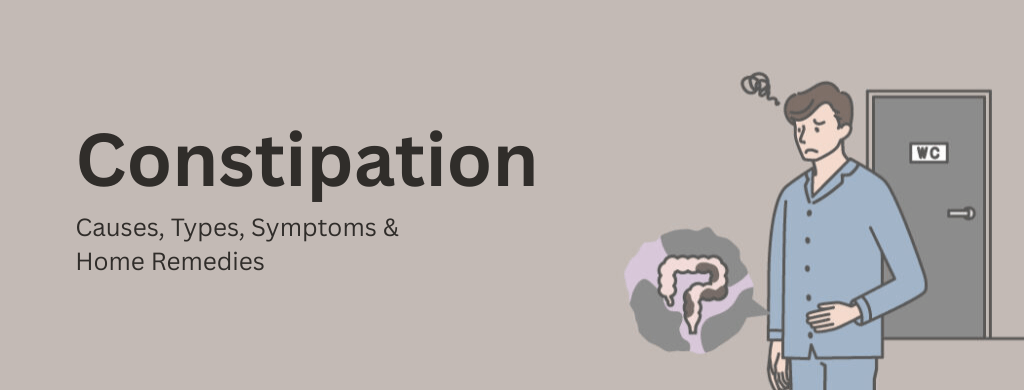
Constipation refers to infrequent or hard-to-pass bowel movements. It is usually described as having fewer than three bowel movements per week, often with hard and dry stools. However, normal bowel movement frequency varies between individuals, ranging from three times a day to three times a week. To cure constipation, you should take medicines and other treatments prescribed by a healthcare professional.
According to a 2014 study, whole gut transit time ranges from 10 to 73 hours. Factors such as diet, exercise, age, sex, and overall health influence bowel movement frequency. While there is no strict minimum number of bowel movements required, having fewer than three per week may indicate an underlying issue.
Causes
Constipation happens when stool moves slowly through the large intestine. When this happens, too much water is absorbed from the stool, making it hard and dry.
Common causes include:
- Lifestyle habits: Not drinking enough water, eating low-fiber foods, lack of exercise, ignoring the urge to pass stool, stress, travel, changes in routine, eating too much dairy, and older age.
- Medicines: Pain medicines, antidepressants, blood pressure medicines, anti-seizure drugs, allergy medicines, antacids with calcium or aluminum, and iron supplements.
- Muscle problems: Weak or poorly coordinated pelvic floor muscles can make it hard to pass stool.
- Blockages: Intestinal obstruction, tissue damage, or tumors in the colon or rectum.
- Medical conditions: Irritable bowel syndrome, diabetes, thyroid problems, nerve disorders, Parkinson’s disease, multiple sclerosis, diverticulitis, and high calcium levels.
- Pregnancy: Hormonal changes can slow bowel movements.
Sometimes, the exact cause of constipation cannot be found.
Symptoms
When stools are difficult to pass or occur infrequently, it is called constipation. Common symptoms include:
- Passing fewer than three stools per week.
- Having hard, dry, or lumpy stools.
- Straining or experiencing pain during bowel movements.
- Feeling as if the bowel is not completely emptied.
- Sensing a blockage in the rectum.
- Needing to use a finger to aid stool passage.
When two or more of these symptoms persist for three months or longer, the condition is classified as chronic constipation.
Risk Factors
Constipation can occur at any age, but certain factors make it more likely to happen often. These risk factors include:
- Older age: As people grow older, body movement slows down. The muscles in the digestive system also become weaker, which makes passing stool harder.
- Being a woman: Hormonal changes can affect digestion. Constipation is common during pregnancy and after childbirth because hormones change and the growing baby can press on the intestines.
- Lack of physical activity: Moving your body helps your bowels move. Sitting for long hours or not exercising regularly can slow digestion and cause constipation.
- Low-fiber diet: Fiber makes stool softer and easier to pass. Eating too little fruits, vegetables, whole grains, and legumes can increase the risk of constipation.
- Mental health conditions: Conditions such as depression or eating disorders can affect eating habits and activity levels. Some medicines used to treat these conditions can also slow bowel movements.
- Certain medicines: Some painkillers, iron supplements, antacids, antidepressants, allergy medicines, and blood pressure drugs may cause constipation as a side effect.
- Nerve and digestive disorders: Diseases that affect the brain, spinal cord, or digestive system can interfere with normal bowel function and increase the risk of constipation.
Home Remedies
You could treat your constipation issue on your own without the assistance of your doctor. However, it might seem obvious how your nutrition greatly influences your feces (also spelt faeces).
- Consume more fibre: Fiber makes stools thicker and softer, making them easier to pass. Increase the quantity of fiber in your diet gradually until you consume 20 to 35 grams of fiber daily or more. Whole grains in cereals, bread, brown rice, legumes, vegetables, and fresh or dried fruits are also excellent sources. The tried-and-true cures for constipation include prunes and bran porridge.
- Remain hydrated: Water is also crucial for avoiding constipation. Make sure you consume a minimum of eight glasses of water each day.
- Guava: In many Indian homes, guava fruit is a staple. It is helpful for a variety of medical issues. It is packed with several essential nutrients. In addition, it may have laxative effects (help facilitate bowel movement). Drinking fresh guava juice can help relieve constipation.
- Dates: Consuming dates may improve your digestive system and ease constipation. Consume five to six fresh dates mixed with ghee and black pepper in the morning. Then, drink a glass of warm water afterward.
- Foods to eat for constipation: The NIDDK suggests that a diet high in fiber can be effective in relieving constipation.
Among the foods high in fiber are:
- Whole-grain bread or cereal with oats
- Whole wheat pasta
- Fruits high in fiber, like apples and bananas
- Leafy greens, broccoli, and other fibrous vegetables
- Beans, lentils, and brown rice
- Nuts like walnuts, pecans, and almonds, as well as split peas
Drinking enough water will assist your stool in passing through your system, so be sure to do so while consuming these items. You should also steer clear of foods that might aggravate constipation.
- Other low-fiber foods, such as chips
- Meat
- Frozen and boxed meals
- Processed fast foods, such as deli meats and hot dogs, are widely consumed.
Additional Natural Remedies to Relieve Constipation
- Get a colon massage: For people whose constipation is caused by slow stool movement through the colon, manual colon massage may help stimulate bowel activity.
- Betel leaf: Betel leaves may help ease bloating, gas, and the secretion of digestive juices. Constipation can also be eased with betel leaf. After every meal, chewing on fresh betel leaves may aid digestion and ease constipation.
- Squat to go to the bathroom: Bring a tiny footstool into the restroom the next time you have to go. Placing your feet on a small stool while using the toilet puts your body in a squatting-like position, which can make passing stool easier and reduce straining.
- Castor oil: A widely used medicinal herb, castor oil helps in treating several health issues. This might help with constipation. Castor roots can be consumed with milk. Make a fine powder out of some dried castor root. Milk and this powder should be combined. Boil the mixture until its volume reduces by half. Consume this concoction to ease constipation. You can alter your way of living to relieve constipation.
- Prunes: The natural home cure for constipation is generally thought to be prunes or dried plums. Prunes include a significant quantity of sorbitol, an antioxidant, fiber, and other nutrients that work as a natural laxative to treat mild constipation. The fruit is more potent than the juice if you concentrate on the health benefits.
- Physical exercise: Engaging in any form of physical activity can help relieve constipation. With companions or music, a 15 to 20-minute walk is relatively easy. However, the body functions more easily when you follow regular walking schedules. The best methods for easing constipation include stretching exercises, yoga, and using the stairs rather than the elevator.
- Ghee & Milk: Ayurvedic medicine claims that drinking hot milk with one or two spoons of ghee added at night will naturally ease constipation. The two readily available items, milk and ghee, provide effective Indian folk treatments for constipation.
Possible Complications
Chronic constipation can result in issues such as;
- Hemorrhoids: Swelling of tissues around the anus.
- Anal Fissures: Tiny cuts in the skin around the anus.
- Fecal Impaction: Hard stools that accumulate in the colon and are difficult to pass.
- Rectal Prolapse: Part of the rectal lining slips out through the anal opening.
Prevention
You can prevent constipation by making simple daily habit changes. These steps help keep bowel movements regular and healthy.
- Eat more fiber-rich foods like fruits, vegetables, beans, and whole grains.
- Eat less low-fiber foods such as processed foods, meat, and excess dairy.
- Drink plenty of water and fluids every day.
- Stay active with regular exercise. Even walking helps.
- Go to the toilet as soon as you feel the urge. Do not delay.
- Follow a regular toilet routine, especially after meals.
- Allow enough time for bowel movements without rushing.
- Avoid too much caffeine and alcohol, as they can cause dehydration.
- Use fiber or magnesium supplements only if advised by a healthcare provider.
Healthy eating, good hydration, and an active lifestyle can greatly reduce the risk of constipation.
When Should I See a Doctor?
If constipation lasts longer than three weeks, disrupts daily life, or is accompanied by concerning symptoms, schedule an appointment with your healthcare provider. These include rectal bleeding, blood in stools or on toilet tissue, black or unusually shaped stools, persistent stomach pain, or unexplained weight loss. Getting medical attention can help determine the root cause and provide the right treatment.
Frequently Asked Questions
1. Is a Banana good for constipation?
Yes, bananas are rich in fiber, which may help relieve constipation in some people.
2. How long does constipation last?
Constipation happens when bowel movements are infrequent and stools become hard to pass, often caused by low fiber intake, dietary changes, or lifestyle factors. See a doctor if you have severe pain, notice blood in your stools, or experience constipation that lasts longer than three weeks.