 Health
  Find a
  Book an
 Hyperoxaluria: Causes, Symptoms, Diagnosis, and Treatment
April 29, 2026
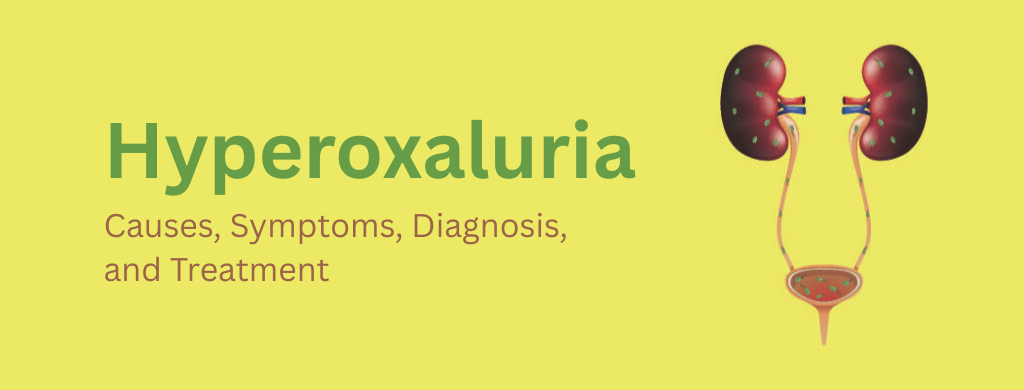
Hyperoxaluria is a disorder characterized by unusually high amounts of oxalate in the urine. Oxalate is a naturally occurring substance present in many foods and also produced by the body. In normal amounts, oxalate is harmless and is simply eliminated from the body through urine. Excessive oxalate in the urine can result in various health complications. This condition may arise from several factors, including inherited genetic disorders or excessive intake of foods high in oxalates. Hyperoxaluria may cause kidney stones and contribute to other health complications.
Who Gets Hyperoxaluria?
Hyperoxaluria can affect people of all ages, genders, and races. However, some people are more likely to develop hyperoxaluria than others. For example, individuals with a family history of the condition are at higher risk. Additionally, people with a kidney transplant or certain digestive disorders, such as inflammatory bowel disease, are more likely to develop hyperoxaluria.
Symptoms
The symptoms of hyperoxaluria can vary depending on the severity of the condition. Some people may not experience any symptoms at all, while others may experience pain, discomfort, and other health problems. Common symptoms of hyperoxaluria include:
- Kidney stones are solid masses made up of minerals and salts that form in the kidneys. Kidney stones may trigger intense pain, along with symptoms like nausea and vomiting.
- Chronic kidney disease happens when kidney damage leads to a decline in their normal functioning. Symptoms of chronic kidney disease include fatigue, weakness, and swelling in the legs.
- Urinary tract infections: These infections develop in the urinary tract and may result in pain, discomfort, and an increased urge to urinate.
- Painful urination: High oxalate levels can irritate and inflame the bladder and urinary tract, causing discomfort and pain during urination.
- Muscle weakness: Excess oxalate can disrupt calcium absorption in the body, potentially causing muscle weakness and other related symptoms.
Causes
Several factors can contribute to the development of hyperoxaluria, including:
- Inherited genetic disorders: Some people are born with genetic mutations that cause them to produce too much oxalate.
- Consuming too many oxalate-rich foods: Spinach, rhubarb, beets, and almonds are examples of foods that contain high levels of oxalate.
- Digestive disorders: Individuals with digestive conditions like celiac disease or inflammatory bowel disease have a higher risk of developing hyperoxaluria.
Risk Factors
Various factors can make a person more likely to develop hyperoxaluria, including:
- Having a parent with primary hyperoxaluria, as the condition can run in families.
- A family history of kidney stones.
- Having kidney stones in the past, especially during childhood.
- Digestive disorders such as Crohn’s disease or ulcerative colitis.
- Previous intestinal surgery or weight-loss surgery.
- Eating large amounts of high-oxalate foods without enough calcium.
- Drinking too little water, which can make urine more concentrated.
- Using very high doses of vitamin C supplements.
- Repeated urinary tract infections (UTIs).
- Poor kidney function or chronic kidney disease.
- Being an adult, as the condition is often diagnosed later in life.
- Men may have a higher chance of developing kidney stones related to hyperoxaluria.
Types
Hyperoxaluria is categorized into three main types based on its underlying cause:
1. Primary Hyperoxaluria (PH)
This is a rare genetic condition where the liver produces excessive oxalate due to faulty enzyme activity. An overproduction of oxalate can lead to higher concentrations in urine, which may contribute to kidney stone development and gradual kidney damage. PH is further divided into subtypes based on the specific gene mutations responsible for the enzyme defects.
2. Enteric Hyperoxaluria
This form occurs due to gastrointestinal conditions that increase oxalate absorption. Digestive disorders such as inflammatory bowel disease (IBD) or short bowel syndrome can reduce the body’s capacity to absorb fats properly. As a result, more oxalate is absorbed into the bloodstream and excreted through urine, heightening the risk of kidney stones.
3. Dietary Hyperoxaluria
This type develops from the excessive intake of oxalate-rich foods, including leafy greens, nuts, and certain vegetables. A diet rich in oxalate forces the kidneys to work harder to eliminate it, potentially causing crystal buildup and the formation of kidney stones. Individuals with pre-existing kidney conditions are more prone to this type.
Diagnosis
Hyperoxaluria can be diagnosed through a number of tests, including:
- Urine tests: These tests measure the amount of oxalate in the urine.
- Blood tests: These tests can be used to measure the levels of calcium and other minerals in the blood.
- Imaging tests: X-rays, CT scans, and other imaging tests can be used to detect kidney stones and other abnormalities.
Who Should be Screened for Hyperoxaluria?
People with a family history of hyperoxaluria or kidney stones in the past should be screened for the condition. Individuals with digestive conditions, such as inflammatory bowel disease, have a higher risk and may benefit from regular screening.
Prevention
Hyperoxaluria can be prevented by making certain lifestyle changes, such as:
- Drinking plenty of fluids: Staying hydrated can help flush out excess oxalate from the body.
- Reducing oxalate intake: Limiting consumption of oxalate-rich foods such as spinach, rhubarb, beets, and almonds can help reduce oxalate levels in the body.
- Getting enough calcium: Calcium can attach to oxalate in the digestive system, stopping it from being absorbed into the body.
Treatment
Treatment for hyperoxaluria depends on the type, cause, and severity of the condition. The main goal is to lower oxalate levels, prevent kidney stones, and protect the kidneys.
Medicines
Doctors may prescribe medicines to reduce oxalate or stop crystals from forming. These may include:
- Vitamin B6 (pyridoxine) for some people with primary hyperoxaluria.
- Potassium citrate to help reduce stone formation.
- Calcium supplements with meals for some people with enteric hyperoxaluria.
- Other medicines based on urine test results and symptoms.
Drink More Fluids
Drinking plenty of water helps flush oxalate out through urine. It also lowers the chance of kidney stones. Many people may need around 3 liters of fluids daily, depending on medical advice.
Diet Changes
Diet changes can help some types of hyperoxaluria, especially diet-related or enteric hyperoxaluria.
- Avoid eating large amounts of high-oxalate foods such as spinach, nuts, chocolate, tea, and beets.
- Reduce salt and sugar intake.
- Reduce the intake of animal protein such as meat, eggs, and fish.
- Include normal amounts of calcium-rich foods with meals.
- Avoid taking high doses of vitamin C unless advised by a doctor.
Kidney Stone Treatment
Small kidney stones may pass by drinking water. Larger stones that cause pain or block urine flow may need treatment. Doctors may break the stones or remove them.
Dialysis
If the kidneys stop working properly, dialysis may be needed. This treatment helps remove waste from the blood.
Transplant
In severe primary hyperoxaluria, a kidney transplant, liver transplant, or both may be needed. This can help treat the disease and improve kidney function.
Regular Follow-Up
People with hyperoxaluria should have regular checkups. Timely treatment and proper care can help reduce the risk of serious kidney damage.
Complications
If hyperoxaluria is not treated, it can cause serious health problems.
- Kidney stones: May cause severe pain, blood in urine, and trouble passing urine.
- Kidney damage: Long-term crystal buildup can lead to chronic kidney disease or kidney failure.
- Urinary tract infections (UTIs): Stones can increase the risk of repeated infections.
- Oxalosis: Extra oxalate may build up in the bones, eyes, heart, skin, and other organs.
- Other problems: Can include anemia, bone pain, heart issues, tiredness, and swelling.
- Growth problems in children: Severe cases may affect normal growth and development.
Whom to Consult?
If you suspect you have hyperoxaluria, you should consult a healthcare provider specializing in kidney health, such as a nephrologist. You should seek medical attention if you experience symptoms such as kidney pain, blood in the urine, or difficulty urinating.
It’s important to see a healthcare provider if you have a family history of kidney stones or a condition that elevates your risk of hyperoxaluria, like primary hyperoxaluria or inflammatory bowel disease.
Your healthcare provider may perform a series of tests, including blood and urine tests, to diagnose hyperoxaluria and determine the underlying cause. They might advise changes to your lifestyle or provide medication to help manage symptoms and prevent further complications.
In conclusion, hyperoxaluria is a disorder that may result in multiple health complications, including the development of kidney stones and chronic kidney disease. It can be caused by various factors, including inherited genetic disorders and consuming too many oxalate-rich foods. If you suspect you may have hyperoxaluria, it is important to consult a healthcare provider specializing in kidney health to get an accurate diagnosis and treatment plan. Through appropriate treatment and lifestyle adjustments, hyperoxaluria symptoms can be effectively controlled.
Frequently Asked Questions
1. Is hyperoxaluria a kidney disease?
Hyperoxaluria isn’t a kidney disease itself, but if untreated, it can damage the kidneys and potentially result in kidney disease. Excess oxalate may bind with calcium to form kidney stones, potentially obstructing urine flow and causing long-term kidney damage.