 Health
  Find a
  Book an
 Ectopic Pregnancy: Types, Symptoms, Causes, & Treatment
July 17, 2025
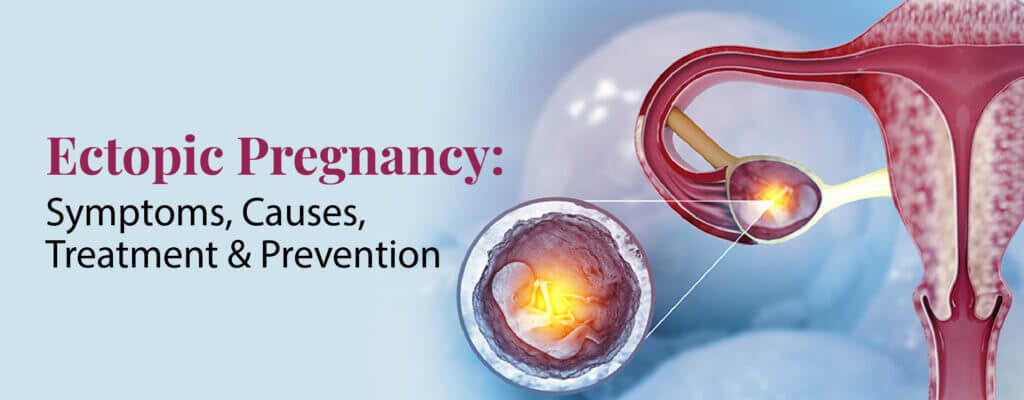
An ectopic pregnancy occurs when a fertilized egg begins to develop outside the uterine cavity, often in a fallopian tube. Fallopian tubes are narrow channels that link the ovaries to the uterus. A fallopian tube is involved in nearly 90% of ectopic pregnancies. The tube may rupture (burst) as the pregnancy gets bigger. Significant internal bleeding can result from a rupture. Surgery is necessary right away because this could be a life-threatening situation.
Types
Although the fallopian tube is the site of most ectopic pregnancies, an egg can adhere to other organs outside of the uterus. Additional forms of ectopic pregnancy consist of:
Ovarian Ectopic Pregnancy (OEP): This type of ectopic pregnancy happens when the fertilized egg attaches beyond the surface of the ovary. Issues with the way your body releases eggs during your menstrual cycle may be the cause of OEP. An egg may be fertilized while it is still inside a follicle, which is an ovarian structure, and as the egg travels from your fallopian tube to your ovary, OEP may occur.
Abdominal Ectopic Pregnancy: Pregnancy can very rarely occur in the abdominal cavity, which is the area between your abdominal wall and spine. The flow of fluid in the abdomen during this kind of ectopic pregnancy may carry an egg behind the uterus, where a sperm fertilizes it. Alternatively, an embryo may use lymphatic channels to travel from the reproductive tract to the abdominal cavity.
Cervical Ectopic Pregnancy: When an egg implants in the cervical canal, an ectopic pregnancy of this type occurs. This can occur as a result of injury to the uterine cavity.
Cesarean Scar Ectopic Pregnancy (CSEP): When a fertilized egg adheres to C-section scar tissue, it is known as CSEP. Scar tissue can tear and result in severe bleeding because it is weaker than the lining of your uterus.
These ectopic pregnancy symptoms are similar to those that occur in the fallopian tube, such as vaginal bleeding and lower abdominal pain.
Symptoms
You might not initially exhibit any signs of an early ectopic pregnancy. They might appear to be quite similar to those of an ordinary pregnancy. It’s possible that you’ll miss your period and experience breast tenderness and stomach discomfort.
Belly pain, vaginal bleeding, and missed period are the three main signs of an ectopic pregnancy, which only affects about half of women.
A few early indicators of an ectopic pregnancy are:
- Sharp abdominal cramps
- Nausea and upset stomach
- Pain on one side of the body
- Weakness or dizziness
- Pain in the shoulder, neck, or rectum
The pain and bleeding from a burst fallopian tube may be so bad that they result in other symptoms. These may consist of:
- Passing out
- Hypotension: A low blood pressure state
- Pain in the shoulders
- Bowel issues or rectal pressure
Lower abdominal pain that is sudden and sharp may occur when a tube bursts. A medical emergency exists here. You ought to get in touch with your physician or visit the emergency room right now.
Causes
Sometimes, it’s unclear what causes an ectopic pregnancy. An ectopic pregnancy, known as a tubal pregnancy, occurs when a fertilized egg becomes stuck en route to the uterus, frequently due to inflammation or malformation of the fallopian tube. Unbalanced hormone levels or aberrant development of the fertilized egg could potentially be factors. Ectopic pregnancy is typically caused by disorders that impede or slow the egg’s descent through the fallopian tube. This could occur for the following reasons:
- Fallopian tube inflammation and scarring resulting from a prior illness, infection, or surgery
- A hormone-related factor
- Birth defects, genetic abnormalities, and illnesses affect the form and function of the fallopian tubes and reproductive organs.
Risk Factors
An ectopic pregnancy is a possibility for any sexually active woman. Any of the following increases risk factors:
- A history of pelvic, abdominal, or multiple abortions; a mother who is 35 years of age or older;
- The factors that contributed to the conception were smoking, tubal ligation, intrauterine devices (IUDs), history of endometriosis, pelvic inflammatory disease (PID), and assisted reproduction.
- Structural issues in the fallopian tubes can hinder the egg’s movement, increasing the risk of ectopic pregnancy.
- Having a history of ectopic pregnancy
- A past history of sexually transmitted infections, such as chlamydia or gonorrhea, can raise the likelihood of an ectopic pregnancy.
Diagnosis
Since the early symptoms of an ectopic pregnancy can mimic those of other medical conditions, diagnosis can be challenging.
A medical practitioner evaluates the ectopic pregnancy symptoms and performs pregnancy tests first. To confirm the diagnosis, they subsequently requested a transvaginal ultrasound. This entails creating images of the uterus and its surroundings using sound waves.
The doctor may prescribe blood tests to keep an eye on the patient’s condition if it is too early to identify an ectopic pregnancy. This will go on until the ectopic pregnancy is verified or ruled out by the doctor.
Treatment
The course of the pregnancy and any potential difficulties will determine the treatment options. Since an ectopic pregnancy is a medical emergency, it must be treated immediately. This is because only the uterus, which has the ability to expand, can permit the fetus to grow. Any other structure, including the fallopian tubes, can be ruptured by an ectopic pregnancy, leading to potentially catastrophic internal hemorrhage.
The following is the course of treatment for ectopic pregnancy:
- In specific situations, your doctor might use medication to prevent the fertilized egg from continuing to grow and to end the pregnancy. The drug should not do any harm to your fallopian tubes.
- Surgery is frequently required when an ectopic pregnancy ruptures, the woman is experiencing significant symptoms, or when medical care is deemed unsuccessful or inappropriate.
- Ongoing monitoring through blood tests and ultrasound scans is essential.
Complications
If treatment is delayed, serious problems can occur. The fertilized egg keeps growing inside the fallopian tube. Since the tube cannot stretch, it can burst open.
A burst fallopian tube can cause heavy internal bleeding. This bleeding can be life-threatening and needs urgent medical care. Delayed treatment can also damage the fallopian tube and nearby organs. In severe cases, it can lead to death.
Because of these risks, an ectopic pregnancy must be treated as early as possible. If a pregnant person has pain, bleeding, or other warning signs, they should contact a doctor right away. Early care can help prevent serious and dangerous complications.
Prevention
Although ectopic pregnancies can’t always be prevented, certain steps can help lower the risk.
- Limiting sexual partners and practicing safe sex with condoms can help prevent STDs, which may lower the risk of pelvic inflammatory disease.
- Cease smoking. Give it up before trying to get pregnant if that’s the case.
Conclusion
An ectopic pregnancy involves the development of a fertilized egg outside the womb, typically in an abnormal location. If left untreated, an ectopic pregnancy may require emergency care. Prompt treatment lowers the chance of long-term complications, improves future fertility prospects, and minimizes risks associated with an ectopic pregnancy.
Frequently Asked Questions
1. Do ectopic pregnancies have an impact on subsequent pregnancies?
After an ectopic pregnancy, your chances of getting pregnant again are increased. If you become pregnant again, be alert to the warning signs of an ectopic pregnancy until your OB-GYN or healthcare provider confirms that the pregnancy is progressing normally.
2. Is it possible for a baby to survive an ectopic pregnancy?
Nope. Pregnancy loss is the inevitable outcome. This is because the fetus is unable to receive the blood and nourishment it requires to develop outside of the uterus.
3. After an ectopic pregnancy, how long should I wait before getting pregnant again?
Once you have received treatment for an ectopic pregnancy, you should discuss any future pregnancies with your healthcare provider. It’s usually best to wait about three months after treatment, though pregnancy may occur quickly after. This lowers the chance of another ectopic pregnancy and gives your fallopian tube time to heal.
4. Does your belly grow with an ectopic pregnancy?
No, an ectopic pregnancy does not cause belly growth. An ectopic pregnancy is not sustainable and can become life-threatening if left untreated.