 Health
  Find a
  Book an
 Ovarian Cysts: Symptoms, Causes, and Home Remedies
June 17, 2025
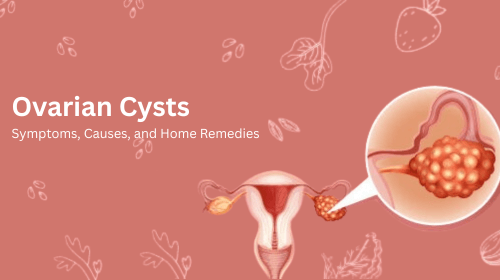
Ovarian cysts are fluid-filled growths that form on the ovaries and are often benign and quite common. However, many women experience no symptoms, and around one in three menstruating women may have an ovarian cyst at any moment.
A benign tumor that grows slowly is sometimes diagnosed as being cancerous. For example, Polycystic Ovary Syndrome (PCOS) often leads to the presence of several small follicular cysts on the ovaries. PCOS is a medical condition that causes hormone imbalances. As a result, some women with PCOS have trouble getting pregnant or ovulating only rarely.
Sometimes an ovarian cyst can grow so large that it twists the ovary. This could damage the ovary or fallopian tube, or even lead to life-threatening bleeding. This kind of cyst needs prompt treatment to prevent lasting damage to the ovary. In some cases, the surgeon may need to remove the ovary if the damage is too severe for it to function properly.
Types
Ovarian cysts are fluid-filled or solid sacs that develop in or on the ovaries. Most are harmless, but their type can affect symptoms and treatment.
The most common cysts are linked to the menstrual cycle, often forming naturally as part of ovulation:
- Follicle Cysts: Normally, an egg grows inside a small sac called a follicle. When the follicle doesn’t release an egg, it can fill with fluid and turn into a cyst. These usually go away on their own in a few months.
- Corpus Luteum Cysts: After the egg leaves the follicle, it changes into a structure called the corpus luteum, which produces hormones. Sometimes, fluid can build up inside it, forming a cyst. These cysts often resolve without treatment.
Other cysts are not directly related to the menstrual cycle:
- Dermoid Cysts: These develop from egg-forming cells and can contain tissues like hair, skin, or fat. They are generally noncancerous.
- Cystadenomas: These grow on the outer surface of the ovary and may be filled with watery or thick fluid. They can become quite large but are usually benign.
- Endometriomas (Chocolate Cysts): Caused by endometriosis, these cysts are filled with old menstrual blood and can be painful.
- Polycystic Ovaries (PCOS): Some people develop many small cysts in their ovaries, which can affect hormone balance and fertility.
- Ovarian Cancer Cysts: Rarely, a cyst may be cancerous. These are typically solid masses and require prompt medical attention.
Understanding the type of cyst helps your doctor decide whether monitoring, lifestyle changes, or treatment is needed. Most ovarian cysts are harmless and typically shrink or vanish without intervention.
Symptoms
Many women don’t realize they have ovarian cysts until they start experiencing symptoms. Possible symptoms include pelvic discomfort, irregular menstrual cycles, abdominal swelling, and difficulty conceiving. If you experience any of the symptoms below, you may want to ask your OB/GYN for an ultrasound exam to determine if ovarian cysts are the cause.
Common signs of ovarian cysts are:
- Lower abdominal pain
- Pain during intercourse
- Bladder pressure/need to urinate more frequently
- Bloating
- Stomach upset
Causes
In certain cases, ovarian cysts develop due to underlying conditions like endometriosis. Ovarian cysts often result from issues like hormone fluctuations, endometriosis, or the growth of a corpus luteum cyst. A major factor behind ovarian cysts is hormonal imbalance, which can be triggered by conditions such as pregnancy, endometriosis, or pelvic infections.
If you think you may have ovarian cysts, please talk to your doctor to determine the cause and whether or not treatment is necessary. Endometriosis occurs when bits of tissue lining the uterus (endometrium) are found outside the uterus in the fallopian tubes, ovaries, bladder, bowel, vagina, or rectum. Blood-filled cysts may sometimes form in this tissue. Polycystic ovary syndrome (PCOS) is when many small cysts develop on the ovaries. The cysts are small egg follicles that do not grow to full maturity and are caused by altered hormone levels.
Risk Factors
Ovarian cysts can develop in anyone with ovaries, but certain factors make them more likely.
You are at higher risk if you are of reproductive age, as cysts are less common after menopause. Imbalances in hormones, like those seen in polycystic ovary syndrome (PCOS) or other endocrine conditions, can raise the likelihood of developing cysts.
Pregnancy can contribute to cyst development because some cysts formed during ovulation may remain on the ovary throughout pregnancy. Using fertility medications, like clomiphene, can further raise the likelihood of cysts.
Other factors include a history of ovarian cysts, severe pelvic infections, or conditions like endometriosis, where tissue similar to the uterine lining attaches to the ovary. Women who have experienced any of these are more prone to developing cysts in the future.
Home Remedies
Explore various natural and holistic treatments that can help alleviate pain and discomfort associated with ovarian cysts, offering alternative options to traditional medical interventions.
1. Hot Compress
Applying a hot compress is one of the most effective methods to help reduce or shrink cysts. However, the heat may cause the liquid in the cyst to become thinner. If you have liquid-filled epidermoid cysts, this may speed up fluid drainage into the lymphatic system. This system helps keep the body’s fluid balance and protects against infection.

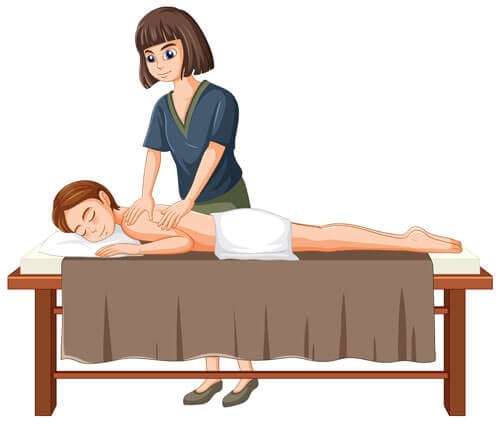
2. Massage
Pain from an ovarian cyst can lead to muscle tension in the surrounding area. This can be especially uncomfortable during a period. Massaging the lower back, thighs, and stomach can help relieve tension and pain.
3. Exercise and Stretching
Exercise and stretching can also help relieve the pain associated with ovarian cysts. It may also ease muscle tension. While some women find relief through intense activities like running, others benefit more from gentle stretching or yoga. Regular exercise can support healthy weight management in women with polycystic ovary syndrome (PCOS). Even without weight loss, regular exercise may help reduce pain by strengthening the muscles. In addition, insulin resistance may be prevented or reduced by taking this medication.

4. Relaxation Technique
Anxiety and stress can aggravate the pain. Activities such as meditation, yoga, and deep breathing can lower stress and help ease discomfort. These techniques can help you manage pain over time and improve your overall health.

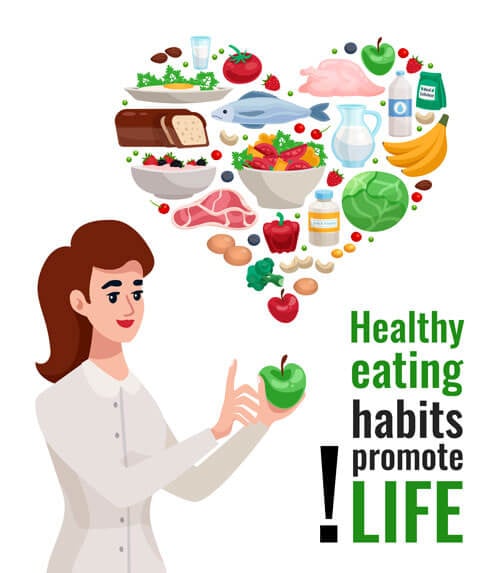
5. Dietary Changes
Many women with PCOS are resistant to insulin. This may result in diabetes, complications during pregnancy, and increased weight gain. Various dietary adjustments can be beneficial, but since there’s no one-size-fits-all PCOS diet, women may need to experiment to discover what suits them best. Since women with PCOS may have insulin resistance, reducing sugar intake may help. Sugar is found in many different foods, including carbohydrates such as bread and pasta. Doctors can check a person’s blood to see if they are at risk of developing diabetes. Choosing to eat healthy, natural foods helps a person gain weight within a healthy range.
High-fiber foods, including broccoli, greens, almonds, berries, and squash, can help reduce ovarian cysts, and lean proteins, including fish, tofu, and chicken. Anti-inflammatory foods and spices, including tomatoes, turmeric, kale, olive oil, and almonds, can also help.
Other natural remedies that can help you shrink the ovarian cyst are ginger tea, beetroot, flaxseed, and Chamomile tea.
6. Tea Tree Oil
Some people use tea tree oil to help treat cysts, though this is indirect. According to the research source, tea tree oil has antimicrobial activity. The agent kills bacteria, viruses, fungi, and other pathogens, but it is not as effective as synthetic compounds. Infected hair follicles can create cysts. These disorders occur when hair follicles don’t grow properly, which causes an infection of the sebaceous gland. This creates a pocket of pus that can become a sebaceous cyst. Tea tree oil’s antimicrobial effects can aid in treating bacterial infections that result from ingrown hairs. It may lessen the chances of developing a cyst from ingrown hair or make it look less noticeable.
7. Aloe Vera
According to studies, aloe vera has anti-inflammatory and antimicrobial properties. Both may help with the pain and irritation associated with cysts. Aloe vera may also assist in shrinking or clearing cysts that develop due to bacterial or microbial infections.

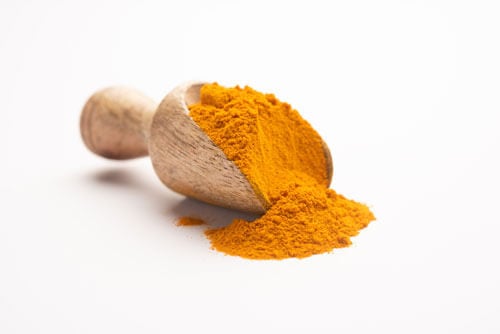
8. Turmeric
While turmeric alone won’t cure a cyst, its anti-inflammatory properties may help to heal it. However, be aware that turmeric may not be a cure for cysts. There is also no guarantee that swelling will be prevented or reduced. In addition, this treatment may not help certain types of cysts.
9. TENS Device
Transcutaneous electronic nerve stimulation (TENS) sends a small, safe electrical signal to the nerve. This signal can change how nerves respond to pain and help with menstrual pain and ovarian cyst pain. TENS devices are available without a prescription but can also be prescribed by a doctor.
10. Honey
Some people say that honey can help manage cysts, but the research is not very strong. However, a 2017 review found that it has antimicrobial and anti-inflammatory effects. There is not enough evidence to say that honey is effective as a treatment or remover for cysts. Using a topical antibiotic may help with both discomfort and cysts caused by bacteria.

Complications
Most ovarian cysts are harmless and go away on their own. However, in some cases, they can lead to complications that require medical attention.
- Ovarian Torsion: Large cysts can change the shape of the ovary, causing it to twist. This twisting can block blood flow, which may damage the ovary. Symptoms include sudden, severe pelvic pain, nausea, and vomiting. Immediate medical care is necessary.
- Ruptured Cyst: Sometimes a cyst can burst, leading to internal bleeding and sharp pain in the pelvis. The risk of rupture is higher for larger cysts or during activities that put pressure on the pelvic area.
- Cancer Risk: Although rare, cysts that appear after menopause are more likely to be cancerous than those that form earlier in life.
If you experience sudden pelvic pain, dizziness, or other unusual symptoms, it’s important to seek medical help promptly. Early attention can prevent serious complications and protect ovarian health.
Final Thoughts
The most suitable treatment for ovarian cysts varies based on factors like age, menstrual cycle, cyst size, and the symptoms experienced. Although most ovarian cysts are harmless and go away naturally, incorporating natural remedies such as a healthy diet, stress-reducing techniques, and regular exercise can ease discomfort and support recovery. Consulting your healthcare provider is essential for an accurate diagnosis and a customized treatment approach to ensure the best possible outcome.
Frequently Asked Questions
1. How do you stop ovarian cysts from growing?
Maintain a healthy weight with the help of a balanced diet.
Do not take fertility medication without consulting your doctor.
Don’t smoke cigarettes.
2. How long would the ovarian cysts take to shrink?
The functional cysts tend to shrink within 1 to 3 months.