 Health
  Find a
  Book an
 Jaundice: Causes, Types, Treatment & Prevention Tips
January 7, 2026
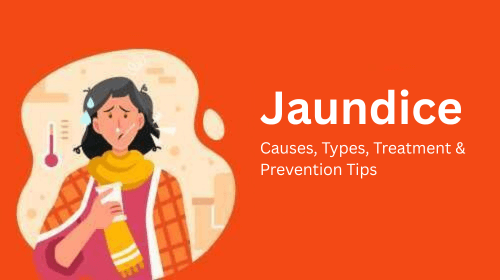
Jaundice, also referred to as hyperbilirubinemia or icterus, causes the skin, whites of the eyes (sclera), and mucous membranes to appear yellow. This condition occurs when the liver cannot properly process bilirubin, a yellow substance formed during the breakdown of red blood cells. Jaundice can result from excessive red blood cell destruction or liver damage.
Types
There are three main types of Jaundice, namely:
- Pre-hepatic: It is also called hemolytic. This condition occurs before the liver processes the waste, resulting in increased amounts of unconjugated bilirubin.
- Hepatic: This type develops within the liver, leading to elevated levels of both conjugated and unconjugated bilirubin.
- Posthepatic: This occurs after the waste has been digested by the liver, resulting in greater conjugated bilirubin levels.
Apart from this, Neonatal jaundice, which includes physiological jaundice and breastfeeding-related jaundice, appears as a specific type of jaundice in infants.
Jaundice in Newborns
When infants are about 3-5 days old, they should be examined by a doctor or nurse. This is because bilirubin levels are often highest around this time. In addition, this is because red blood cells in an infant’s body are constantly broken down and replenished. More bilirubin is produced as a result of this. Additionally, since newborns have underdeveloped livers, they cannot filter bilirubin from the body as efficiently.
In mild cases, symptoms normally resolve on their own. However, infants with dangerously high bilirubin levels may need treatment through a blood transfusion or phototherapy. In these circumstances, infant jaundice therapy is critical to preventing kernicterus.
Causes
In this condition, the body constantly breaks down old red blood cells and generates new ones, resulting in the production of bilirubin. Under normal conditions, your liver processes bilirubin and incorporates it into bile, a bitter, greenish-brown fluid that aids digestion. The liver then releases the bile into the digestive system. Jaundice occurs when the liver cannot process all the bilirubin produced in the body or has difficulty releasing it. When bilirubin accumulates in the bloodstream, it seeps into the tissues around the blood vessels. This excess bilirubin causes the skin and the whites of the eyes to turn yellow, a typical sign of jaundice.
A malfunction in any of the three stages of bilirubin generation can result in jaundice. Unconjugated jaundice may occur prior to bilirubin synthesis as a result of elevated bilirubin levels caused by:
- A significant hematoma is absorbed (A buildup of blood beneath the skin that is either fully or partially clotted).
- Anemias are due to hemolysis (Red blood cells are broken down and cleared from the bloodstream prematurely, before reaching their full lifespan).
Jaundice can occur with the synthesis of bilirubin. In addition, it can be caused by:
- Viral infections such as Hepatitis A, chronic Hepatitis B and C, Epstein-Barr, and others
- Alcohol consumption
- Autoimmune diseases
- Rare genetic metabolic disorders
- Acetaminophen toxicity, penicillins, oral contraceptives, chlorpromazine, and estrogenic or anabolic steroids are all examples of medications
After bilirubin is created, jaundice can result from bile duct obstruction (blockage) caused by:
- Gallstones
- Swelling of the gallbladder
- Gallbladder cancer
- Pancreatic tumour
Causes of Jaundice in Newborns
Although jaundice in neonates is common and usually resolves on its own, some underlying medical issues might cause it. These are some examples:
- Inactive thyroid gland
- Incompatibility of blood groups occurs when the blood of the pregnant woman and the newborn get mixed in the womb or during birth.
- Rhesus disease is a condition in which the pregnant woman’s antibodies kill the blood cells of the newborn.
- Urinary Tract Infection (UTI)
- Blocked gallbladder or bile ducts
- Crigler-Najjar syndrome is a disorder that impairs bilirubin-processing enzymes.
Symptoms
Sometimes, a person may not exhibit symptoms of jaundice, and the condition is discovered by chance. The seriousness of symptoms varies based on the cause and the speed at which the disease advances. You may have the following symptoms and signs if you have jaundice for a short period of time:
- Fever
- Chills
- Abdominal pain
- Flu-like symptoms
- Change in skin colour
- Dark-coloured urine/clay-coloured stool
If your jaundice isn’t caused by an infection, you can notice signs including weight loss or itchy skin (pruritus). The most prevalent symptom of pancreatic or biliary tract cancer-related jaundice is abdominal pain. If you have any of the following conditions, you may get jaundice as a result of your liver disease:
- Chronic Hepatitis
- Pyoderma gangrenosum
- Acute Hepatitis A, B, C
- Polyarthralgias
Risk Factors
Jaundice can affect some babies more than others. Certain conditions before, during, or after birth can increase the risk. Knowing these factors helps in early care and treatment.
Birth-related factors
- Babies born before 37 weeks may struggle to remove bilirubin from the body.
- Bruising during delivery can raise bilirubin levels due to the breakdown of extra red blood cells.
- Babies born larger than average to mothers with diabetes have a higher risk, especially if born early.
Feeding and nutrition factors
- Babies who have trouble breastfeeding may not get enough fluids or calories.
- Poor feeding can lead to dehydration, which slows bilirubin removal.
Blood and genetic factors
- A blood type mismatch between mother and baby can cause faster red blood cell breakdown.
- A family history of blood disorders, such as G6PD deficiency, raises the risk.
- A baby with a parent or sibling who had jaundice is more likely to develop it.
Health conditions
- Babies with Down syndrome have a greater chance of developing severe jaundice.
Understanding these risk factors allows parents and healthcare providers to monitor babies closely and act early if signs of jaundice appear.
Diagnosis
Primarily, a doctor diagnoses Jaundice by checking for various liver diseases, such as:
- Bruising of the skin
- Spider Angiomas
- Palmar Erythema
A positive bilirubin urinalysis (urine testing) indicates that the patient has conjugated jaundice. Serum tests should validate urinalysis results. The serum tests will measure a complete blood count (CBC) and bilirubin levels. Your doctor will also examine your liver to determine its size and tenderness. To confirm the diagnosis, he or she may utilize imaging (ultrasonography and computed tomographic (CT) scanning) and a liver biopsy (getting a sample of the liver).
Treatment
There is no single treatment for jaundice. Doctors treat the cause of jaundice, and the yellow color slowly fades as the body heals. Treatment also helps reduce symptoms like itching and tiredness.
Treatment in Adults
In adults, jaundice usually improves once the main problem is treated.
- If jaundice is caused by viral hepatitis, it often goes away on its own as the liver recovers.
- If a blocked bile duct causes jaundice, doctors may suggest a procedure or surgery to remove the blockage.
- If itchy skin is a problem, doctors may prescribe medicines that help remove bile from the body and reduce itching.
- Doctors also treat any related complications to support liver health.
Complications
- Infections
- Bleeding
- Anaemia
- Bloating
- Kidney failure
- Constipation
- Stomach pain
- Gas
- Stomach upset
- Vomiting
- Diarrhoea
Prevention
Because jaundice has various causes, preventing it can be challenging. However, you can reduce your risk by following these general tips:
- Get vaccinated against hepatitis, practice safe sex, use clean needles, and maintain good hygiene by washing your hands thoroughly with soap and water.
- Stay within the recommended alcohol consumption limits.
- Maintain a healthy body weight.
- Avoid using natural or herbal supplements without medical guidance.
- Keep your cholesterol levels normal and under control.
Frequently Asked Questions
1. When do adults need to worry about jaundice?
If adults have severe abdominal pain, unexplained weight loss, dark urine, pale stools, drowsiness, or confusion, they should seek medical attention promptly. Jaundice in adults can be dangerous because it’s a symptom of liver failure, pancreatic cancer, etc.
2. Can jaundice kill you?
Jaundice is not usually life-threatening on its own, but it can signal serious underlying health conditions that may become fatal if left untreated.