 Health
  Find a
  Book an
 Autoimmune Diseases: Types, Symptoms, Diagnosis, and Treatment
February 5, 2026
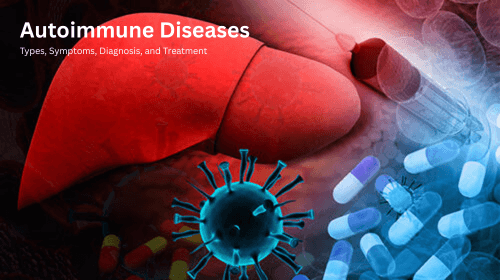
When your body’s immune system attacks your body mistakenly, the condition is said to be an autoimmune disease. The immune system typically defends the body against viruses, bacteria, and other harmful germs. When the immune system senses that these foreign bodies are invading the body, it sends out cells to attack and destroy them.
In normal circumstances, the immune system can differentiate between the body’s cells and foreign ones. But in an autoimmune disease, the immune system sees a part of your body as foreign and releases autoantibodies or proteins that attack the body’s healthy cells.
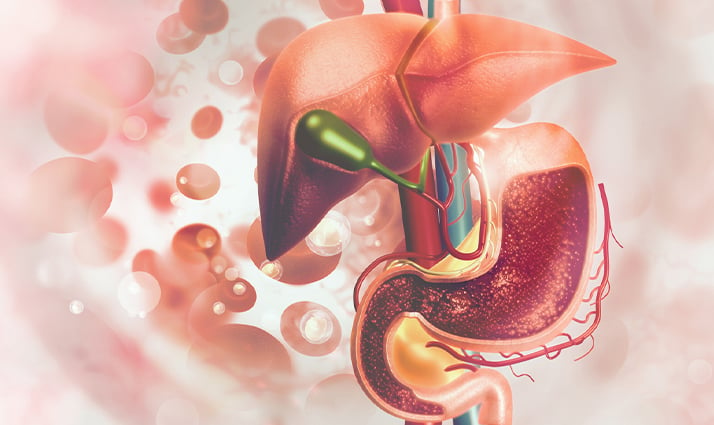
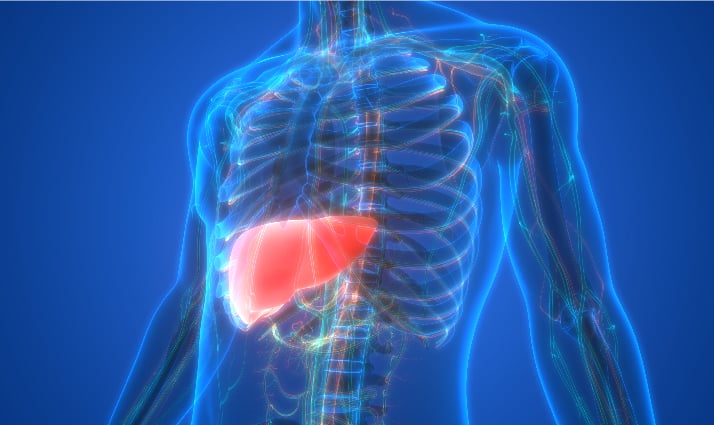
Autoimmune disease can affect any part of the body. For instance, autoimmune hepatitis can affect the liver. This is the inflammation of the liver that sets in when the immune system works against liver cells. If left untreated, autoimmune disease can damage the liver and cause cirrhosis and, ultimately, liver failure.
Types
Autoimmune diseases include various conditions in which the immune system wrongly perceives the body’s own cells, tissues, or organs as threats and attacks them. With over 100 known types, these disorders can affect nearly any part of the body, from the joints and skin to internal organs and nervous systems. While each condition has its own specific characteristics, they all stem from a core issue: the body’s inability to differentiate between self and non-self.
Below is an overview of some common categories of autoimmune diseases based on the area of the body they impact:
1. Joint and Musculoskeletal Autoimmune Disorders
These types target the joints, muscles, and connective tissues, leading to chronic inflammation and pain:
- Rheumatoid Arthritis (RA): The immune system attacks joint linings, resulting in swelling, stiffness, and potential joint damage.
- Lupus: Affects joints and multiple internal systems like the lungs and kidneys.
- Psoriatic Arthritis: Linked with psoriasis, this form of arthritis involves joint inflammation along with skin symptoms.
- Myositis: Involves muscle inflammation, causing weakness and mobility issues.
2. Skin and Gland-Related Autoimmune Diseases
These conditions often manifest through visible skin changes or affect moisture-producing glands:
- Psoriasis: Causes rapid buildup of skin cells, leading to scaly, inflamed patches.
- Sjögren’s Syndrome: Attacks glands that produce saliva and tears, causing dry mouth and eyes.
- Scleroderma: Results in excessive collagen production, hardening of the skin, and affects internal organs.
- Vitiligo causes the loss of skin color as the immune system damages the melanocytes responsible for pigment production.
3. Digestive System Autoimmune Conditions
The digestive tract is particularly vulnerable to immune dysregulation:
- Celiac Disease: Triggered by gluten, it causes immune-mediated damage to the small intestine lining.
- Crohn’s Disease: It can involve any part of the gastrointestinal tract, causing inflammation that extends into the deeper layers of tissue.
- Ulcerative Colitis: It involves persistent inflammation of the colon and rectum.
- Autoimmune Gastritis: Damages the stomach lining and can impair nutrient absorption.
4. Endocrine System Disorders
These diseases interfere with hormone-producing glands:
- Type 1 Diabetes: Immune cells destroy insulin-producing pancreatic cells, disrupting blood sugar regulation.
- Graves’ Disease: Causes overactivity of the thyroid (hyperthyroidism), accelerating body functions.
- Hashimoto’s Thyroiditis: Leads to underactive thyroid (hypothyroidism) through gradual gland destruction.
- Addison’s Disease: Targets the adrenal glands, affecting hormone levels crucial for stress response and metabolism.
5. Nervous System Autoimmune Diseases
These conditions disrupt nerve function and communication:
- Multiple Sclerosis (MS): Damages the myelin sheath protecting nerve fibers, affecting mobility and coordination.
- Myasthenia Gravis: Weakens muscles by interrupting nerve signals.
- Guillain-Barré Syndrome (GBS): Rapid-onset muscle weakness caused by an immune attack on the peripheral nerves.
- Chronic Inflammatory Demyelinating Polyneuropathy (CIDP): A longer-lasting version of GBS, leading to persistent nerve damage if untreated.
6. Blood and Circulatory System Autoimmune Diseases
These affect blood vessels and the production of essential blood components:
- Vasculitis: Inflammation of blood vessels that can restrict blood flow and damage organs.
- Pernicious Anemia: Immune response disrupts vitamin B12 absorption, leading to reduced red blood cell production.
Each of these conditions comes with unique challenges, but timely diagnosis and appropriate treatment can greatly enhance quality of life. Recognizing the symptoms and understanding the affected body system is key to managing autoimmune diseases effectively.
Causes
Doctors do not know the exact cause of autoimmune diseases. They happen when the immune system attacks the body by mistake. Experts believe several factors may work together to trigger this response.
- Genetics – Autoimmune diseases can run in families. Certain genes increase the risk, but genes alone do not cause the disease.
- Infections – Viruses and bacteria may trigger the immune system, especially in people who already have a genetic risk.
- Medications – Some medicines, including certain antibiotics, statins, and blood pressure drugs, may affect how the immune system works.
- Environmental factors – Exposure to cigarette smoke, air pollution, mercury, agricultural chemicals, and other toxins may raise the risk. Sunlight and some infections may also play a role.
- Other risk factors – Autoimmune diseases are more common in people assigned female at birth, people with obesity, and those with a family history or other autoimmune conditions. Some diseases are also more common in certain ethnic groups. Diet and nutrition may affect risk and severity.
Symptoms
In the early stages of autoimmune disease, the symptoms are:
- Swelling and inflammation
- Fatigue
- Aching muscles
- Lack of focus
- Low fever
- Tingling and numbness in the hands and feet
- Skin rash
- Hair loss
Diagnosis
Diagnosing an autoimmune disease can take time because many of these conditions share similar symptoms. There is usually no single test that gives a clear answer.
- Medical history and exam – Doctors ask about your symptoms, when they started, and your family health history. A physical exam helps check the affected areas.
- Symptom tracking – Keeping notes about your symptoms, how long they last, and what makes them better or worse can help your doctor.
- Blood tests – Blood tests look for signs that the immune system is attacking the body. Common tests include autoantibody tests, ANA, CBC, ESR, CRP, metabolic panel, and urinalysis. These tests give clues but may not confirm the disease alone.
- Imaging tests – Tests like X-rays, ultrasound, MRI, and CT scans help doctors look for inflammation or damage inside the body.
- Specialists and further testing – Doctors may refer you to specialists and test for other conditions before confirming an autoimmune disease. Diagnosis may take months or longer.
Treatment
There is no cure for autoimmune diseases, but treatment can help control symptoms and slow down the immune system. The type of treatment depends on the specific disease, symptoms, and how serious the condition is. Some people may need treatment for a long time.
Medicines to control the immune system – Doctors often use medicines that reduce immune system activity. These include corticosteroids, immunosuppressants, and other drugs that target certain parts of the immune system. These treatments help lower inflammation, swelling, and pain.
Anti-inflammatory and pain relief medicine – Nonsteroidal anti-inflammatory drugs (NSAIDs) and other anti-inflammatory medicines help reduce pain, stiffness, and swelling. Pain relievers may also be used to improve comfort.
Special treatments – Some people need advanced treatments such as IVIG infusions, plasma exchange, or blood transfusions, depending on their condition.
Symptom-based treatment – Doctors may prescribe medicines to manage specific symptoms, such as rashes, sleep problems, depression, or anxiety. Creams, pills, or other treatments may be used based on symptoms.
Replacing missing substances – Some autoimmune diseases reduce important substances in the body. In such cases, doctors may provide insulin, thyroid hormone, vitamin B12, or other supplements.
Therapies and lifestyle support – Physical therapy and occupational therapy can help improve movement and daily function. Exercise may also be recommended for certain conditions. Quitting smoking can help people with autoimmune diseases that affect blood vessels.
Disease-specific care – Some conditions need specific treatment plans. For example, people with type 1 diabetes need insulin therapy, and people with celiac disease must follow a gluten-free diet.
Treatment plans are different for each person. Doctors adjust care based on symptoms and response to therapy.
Why Rela Hospital
A hospital dedicated to liver ailments can tell you how far liver disease is in India. Realizing the need to set up a hospital dedicated to serving liver disease patients, Dr Rela instituted the Rela Hospital, Chennai.
Today, after many years of honest and dedicated care for liver patients, it is seen as one of the top liver transplant hospitals in India. With the able support of trained doctors with international exposure and modern technology, the liver disease specialists in Chennai give a new lease of life to patients suffering from liver ailments at their varying stages.
So, it’s not surprising that our years of hard work in this niche area have borne fruit: The fruit of being known as the autoimmune liver disease treatment hospital to go to when in need.
Frequently Asked Questions
1. Are autoimmune diseases contagious?
Autoimmune diseases are not contagious and cannot spread from person to person.