 Health
  Find a
  Book an
 Is Thyroid Disease Curable? Causes, Symptoms, and Treatment Options
June 26, 2025
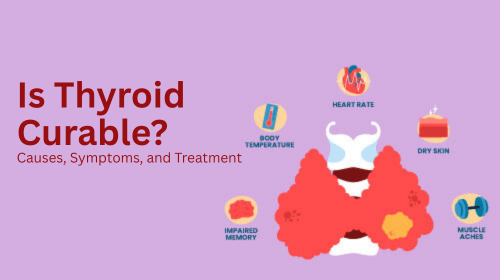
Your thyroid gland develops and produces hormones involved in numerous bodily processes. Thyroid disease is characterised by the thyroid’s overproduction or underproduction of these critical hormones. Thyroid disease comes in various forms, such as hyperthyroidism, hypothyroidism, thyroiditis, and Hashimoto’s thyroiditis.
The thyroid gland is found near the front of the neck, around the windpipe. It has two wide lobes that extend around the sides of your throat, resembling the shape of a butterfly. Your body has glands that create and release substances to support different bodily functions.
Your entire body may be affected if your thyroid isn’t functioning properly. For example, hyperthyroidism is a disorder that can occur if your body produces excessive amounts of thyroid hormone. Conversely, hypothyroidism is when your body produces insufficient thyroid hormone.
What is a Thyroid Disease?
Thyroid illness is a condition where the thyroid fails to produce the right amount of hormones needed by the body. The thyroid gland produces hormones essential for maintaining your body’s normal functions. When the thyroid produces too much hormone, your body burns energy too rapidly. This condition is referred to as hyperthyroidism. Rapid energy usage can do more than cause fatigue; it may lead to a faster heartbeat, unintentional weight loss, and increased anxiety. Contrarily, your thyroid may produce too little thyroid hormone. It is known as hypothyroidism. You may feel exhausted, put on weight, or even find it challenging to endure cold conditions if your body produces too little thyroid hormone.
Numerous causes can lead to these two primary illnesses. They may also be inherited from family members.
Thyroid-Related Conditions and Disorders
Many health issues can affect how your thyroid works. Thyroid problems are very common; about 20 million people in the United States have some form of thyroid disorder. Women are also much more likely to be diagnosed than men.
Thyroid diseases are grouped into two main categories:
- Primary thyroid disease: The problem starts in the thyroid itself.
- Secondary thyroid disease: The issue begins in the pituitary gland, which controls the thyroid.
For example, if a thyroid nodule makes too much thyroid hormone, it is primary hyperthyroidism. But if a tumour in the pituitary gland creates too much TSH and overstimulates the thyroid, it is secondary hyperthyroidism.
The four major thyroid conditions are:
Hypothyroidism
Hypothyroidism happens when the thyroid makes too little hormone, causing the body’s processes to slow down. It is common and treatable, and it is often caused by autoimmune disease, inflammation, or iodine deficiency.
Hyperthyroidism
Hyperthyroidism happens when the thyroid makes excess hormones, causing the body’s activities to work faster than normal. It can result from conditions like Graves’ disease, thyroid nodules, or excess iodine.
Goiter
A goiter is a noticeable increase in the size of the thyroid gland, often caused by hormone problems, low iodine levels, or unexplained factors. It can be small and harmless or large enough to cause swallowing or breathing issues.
Thyroid Cancer
Thyroid cancer develops when abnormal cells grow in the thyroid gland. Most types are highly treatable, including papillary and follicular cancers.
Who is at risk?
Thyroid illness can affect anyone, men, women, children, teens, and older adults alike. It might develop as you get older or can be present at birth (usually hypothyroidism) (often after menopause in women).
You might be more likely to get thyroid illness if you
- Having thyroid problems runs in your family.
- Possess a medical ailment, such as Sjögren’s syndrome, Turner syndrome, pernicious anaemia, type 1 diabetes, primary adrenal insufficiency, lupus, or rheumatoid arthritis.
- The use of iodine-rich medications (amiodarone).
- Are above 60, particularly in women.
- Have previously received therapy for a thyroid disorder or cancer (thyroidectomy or radiation).
Typical Signs and Symptoms of Disease
Thyroid disease can trigger numerous symptoms, many of which overlap with those of other conditions. As a result, it can be difficult to recognize whether the thyroid is the underlying cause.
Most thyroid disease symptoms fall into one of two categories: those associated with having too much thyroid hormone (hyperthyroidism) and those associated with having too little thyroid hormone (hypothyroidism).
Hyperthyroidism (overactive thyroid) symptoms might include
- Experiencing anxiousness & irritation
- Unable to fall asleep
- Losing weight
- Development of a goitre or swelling in the thyroid gland
- Experiencing muscle tremors and weakness
- Irregular periods or complete absence of menstruation
- Eye discomfort or vision-related problems
The following are examples of hypothyroidism symptoms:
- Being worn out (fatigue)
- Having memory loss
- Enduring regular, heavy menstrual cycles
- Having coarse, dry hair
- Being voiceless or hoarse
- Having a sensitivity to cold temperatures
Early Warning Signs of Thyroid
- Fatigue
- gaining weight
- Loss of weight
- Decreased heart rate
- Elevated heartbeat
- Heat sensitivity
- Responsiveness to cold
Causes
While all forms of hyperthyroidism stem from an overproduction of thyroid hormones, the condition can arise through different underlying causes.
- Graves’ disease is caused by the excessive production of thyroid hormones.
- Toxic adenomas: Some goitres may contain a number of these nodules. These nodules develop within the thyroid gland and release excess hormones, disrupting the body’s chemical equilibrium.
- Subacute thyroiditis: Inflammation of the thyroid can cause excess hormones to leak into the bloodstream, leading to temporary hyperthyroidism that may persist for weeks or even months.
- Dysfunction of the pituitary gland or malignant thyroid gland growths: Although uncommon, these factors can also lead to hyperthyroidism.
Treatment
The improvement of thyroid function includes not just hormone replacement. Without knowing what caused the fire, is like putting out a fire. If hormones were the only factor, medication would be the surefire cure.
Identifying the underlying reason is crucial if someone wants to cure thyroid disease permanently. These consist of the following
- Gut leakage
- Excessive inflammation
- Nutritional adequacy
- Poor diet
- Continued intake of painkillers, antacids, and antibiotics
- Stress toxins, such as mercury and aluminium
- Pesticide and plastic exposure.
This implies that thyroid disease is permanently treatable; however, it depends on some circumstances. The good news is that these ailments are curable. You can find a long-term solution for your thyroid disease by making a few lifestyle adjustments. It is possible to achieve this with tablets. After determining the main cause, your treatment strategy must be customised to your individual needs.
How to Get Rid of Thyroid Problems Permanently?
Lowering of Tension
You could believe that stress is normal. Who isn’t stressed out trying to balance their personal and work lives? But this needs to change if you wish to discover a permanent thyroid illness cure. Chronic stress, whether mental or physical, makes the body more inflammatory. Additionally, it lessens the resources the thyroid gland may use to generate hormones. This only requires you to meditate for a short time every day. Instead, you can walk outside, cook, paint, dance, or do whatever appeals to you.
Healthy Diet
Like a car cannot operate without fuel, neither can our bodies run without food. It’s not just about how much you eat, but what you eat is equally important. It is bad for your health to eat processed or pesticide-filled food. Losing weight with a thyroid condition largely depends on following the right eating habits. There is an endless amount of weight loss knowledge available today. This procedure is meant to be easy to follow. Our nutritionists make sure you fully comprehend the hypothyroidism diet option. A detailed list of items to ingest and stay away from is provided. Exercise. Some people need to work out vigorously. Yoga, walking, and easy breathing exercises are beneficial for overall wellness. The fitness programmes are meant to lower stress and boost metabolism. Reduce your exposure to blue light. We are exposed to a variety of radiation types regularly. One of these is blue light, ultraviolet radiation produced by LED tube lights, phone screens, and laptop screens. Thyroid hormone levels are directly impacted by increased nighttime exposure. Reversing thyroid function can reduce inflammation and make the necessary lifestyle changes. These are critical measures in discovering a permanent thyroid illness.
When to See an Endocrinologist?
You should consult an endocrinologist if you experience any of the following signs or health issues.
- Fatigue
- Decrease or increase weight without cause
- Depression or anxiety
- Increased or new hair growth
- Modifications to menstrual cycles
- Muscle sluggishness
- Scalding flashes
Frequently Asked Questions
1. How does the thyroid affect the body?
The main role of the thyroid is to control the body’s metabolic processes The process by which your body converts food into the energy it needs to function is known as metabolism. T4 and T3 are produced by the thyroid and regulate your metabolism. These hormones instruct the body’s cells on how much energy to use throughout the body.