 Health
  Find a
  Book an
 Paralysis Attack: Symptoms, Causes and Treatment
February 11, 2026
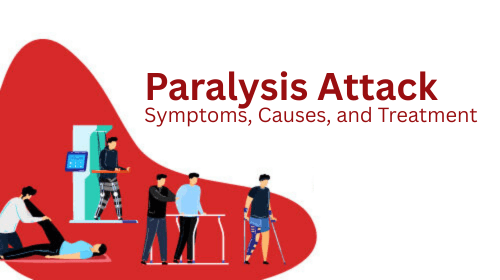
Paralysis refers to the loss of muscle function in the body, which can be temporary or, in some cases, permanent. Paralysis isn’t limited to any particular part of the body, but most cases are observed in limbs. Partial and entire paralysis can occur at any point in time. No pain is inflicted on a patient affected by paralysis upon its occurrence.
Based on the nature of the underlying cause, the treatment plan is designed to either cure or manage the condition while minimizing disruption to the patient’s daily life.
A stroke is the most typical underlying condition that triggers partial or complete paralysis in a patient. In partial paralysis, the patient remains in partial control of the affected muscle; in incomplete paralysis, the patient has no control over the affected muscle tissue.
Types
Paralysis is categorised into various types depending on which areas of the body are affected:
- Diplegia: This type affects the same area on both sides of the body, such as both arms, both legs, or both sides of the face.
- Hemiplegia: Paralysis occurs on one side of the body, impacting an arm and a leg on the same side.
- Monoplegia: This condition restricts movement in a single limb, either an arm or a leg.
- Paraplegia: It primarily affects both legs and, in some cases, the torso.
- Quadriplegia (Tetraplegia): This severe form of paralysis impacts all four limbs and the torso. People with quadriplegia may have little to no movement below the neck.
Symptoms
Paralysis is mainly characterised by the loss of control over certain body parts, making movement difficult or impossible. It can start suddenly or gradually. Sometimes, it comes and goes. The most common symptoms of paralysis are:
- Loss of sensation in arms and legs
- Reduced muscle function
- Reduced motor functions
- Losing the ability to talk
Early symptoms are:
- Shifts in mood, personality, or behavior
- Brief episodes of confusion or loss of consciousness
- Trouble with memory, thinking, speaking, understanding, writing, or reading
- Drooling
- Numbness
- Constipation
- Diarrhoea
- Fever
- Hearing loss
- Neck pain
- Rash
- Severe headache
Paralysis can affect any part of the human body, including:
- The face
- The hands
- One arm or leg
- One side of the body
- Both legs
- Both arms and legs
The affected part of your body can also be:
- Stiff (spastic paralysis), with occasional muscle spasms
- Floppy and numb, painful, or tingling sensations
Causes
Never should you try to identify the cause of a paralytic attack yourself, and always seek a doctor’s consultation to get a proper diagnosis.
Some of the leading causes are:
- Bell’s Palsy – Sudden weakness on one side of the face, with earache or face pain.
- A brief loss of muscle control during sleep or upon waking is referred to as sleep paralysis.
- Following a major accident or trauma, such as a serious head or spinal cord injury.
- Intermittent weakness in the face, arms, or legs that comes and goes.
Other causes include
Some people are born with congenital disabilities like spina bifida that cause paralysis. In addition, a traumatic injury or medical condition often damages muscle and nerve function. Strokes and medulla spinalis injuries (Spinal Cord Injuries) are the highest causes of paralysis. Besides that, the following factors can also be responsible.
- Acute Flaccid Myelitis
- Brachial Plexus Injury
- Brain Injury
- Cerebral Palsy
- Guillain-Barre Syndrome
- Multiple Sclerosis
- Muscular Dystrophy
- Neurofibromatosis
- Post-Polio Syndrome
- Spina Bifida
- Stroke
- Spinal Tumours
- Brain Tumours
- Spinal Cord Injury
Diagnosis
The healthcare provider will evaluate you and review any previous or current injuries you may have had. For gradual paralysis, you will need to know when you began noticing the problem.
Some of the procedures include
- X-rays show broken bones that would cause nerve injury.
- Imaging techniques like CT scans or MRIs are used to detect signs of stroke, brain damage, or spinal cord injuries.
- A whole-body imaging scan shows bones, muscles, and tissues.
- Myelogram checks for medulla spinalis and nerve injuries.
- An electromyogram (EMG) measures the electrical signals in your nerves and muscles to assess their function.
- A spinal tap (lumbar puncture) tests cerebrospinal fluid for infection, inflammation, and disorders like MS.
Treatment
Paralysis attacks can have an enormous impact on your life. Still, support is there to assist you in residing as independently as possible and having the most superficial possible quality of life. The help you would like will primarily rely upon what’s causing your paralysis.
Some of the things that can help people who are paralyzed include:
- Mobility Equipment includes wheelchairs and limb supports (braces).

- Physiotherapy assists you in maintaining the maximum amount of strength and muscle mass.

- Occupational therapy helps you adapt your everyday activities, namely dressing and cooking, to be more accessible.

- Based on the specific condition, doctors may prescribe medications to relieve symptoms such as pain, muscle stiffness, and spasms.

- Communication will help patients who are suffering from quadriplegia. They can rely on voice-command-based systems to control things like light, temperature, TV, audio units, and mobile phones. In addition, patients suffering from locked-in syndrome can use specially adapted computers to make small sentences or improve the form of their current communication.

Complications
Paralysis can affect many parts of the body. It can lead to several health problems, especially when movement is limited.
- Breathing problems – Weak chest muscles can make breathing and coughing difficult. This raises the chance of lung infections such as pneumonia.
- Blood clots – Staying still for long periods can cause blood clots in the veins. This is called deep vein thrombosis (DVT). A blood clot can move to the lungs and lead to a serious condition.
- Skin sores and infections – Long pressure on the skin can cause bedsores. These wounds can get infected and may develop into severe infections such as sepsis.
- Bladder and bowel problems – Paralysis can cause loss of bladder control and bowel control. Not emptying the bladder fully can lead to urinary tract infections.
- Speech and swallowing issues – Some people may have trouble speaking or swallowing. This is called dysphagia.
- Blood pressure and heart issues – Paralysis can lead to very high blood pressure or low blood pressure. It can also affect heart function.
- Bone weakness – Lack of movement can cause bones to become thin and weak. This increases the risk of fractures.
- Sexual problems – Paralysis may lead to erectile dysfunction and other sexual health issues.
- Emotional health problems – Living with paralysis can cause mental stress, anxiety, and depression.
Prevention
You cannot prevent all causes of paralysis, but you can lower your risk by taking simple steps.
Protect your head, neck, and spine
- Always wear a seatbelt. Use proper car seats for children.
- Check water depth before diving.
- Do not drive under the influence or ride with an impaired driver.
- Wear helmets and other protective gear during sports.
- Never move someone with a possible spine injury. Call emergency services.
Manage your health
- Control diabetes, high blood pressure, and high cholesterol.
- Go for regular medical check-ups.
Live healthy
- Eat a balanced diet.
- Exercise regularly.
- Avoid smoking.
- Limit alcohol.
Watch for warning signs
- Do not ignore sudden numbness, weakness, or dizziness. Get medical help quickly.
Prevent injuries at home
- Use handrails, improve lighting, and follow safety measures during activities.
Frequently Asked Questions
1. How long does a paralysis attack last?
Symptom severity can vary from slight muscle weakness to a full-blown paralytic episode. Studies indicate that symptoms typically emerge and worsen over a 72-hour period before stabilizing. In most cases, symptoms will settle without treatment over time, but they can take months or years to withdraw completely.
2. What causes sudden paralysis in the legs?
Sudden paralysis in the legs can result from conditions like stroke, spinal cord injury, Guillain-Barré syndrome, or nerve compression. Timely medical care is vital to ensure proper diagnosis and appropriate treatment.