 Health
  Find a
  Book an
 Neck Pain: Causes, Symptoms, and Effective Treatment
September 30, 2025
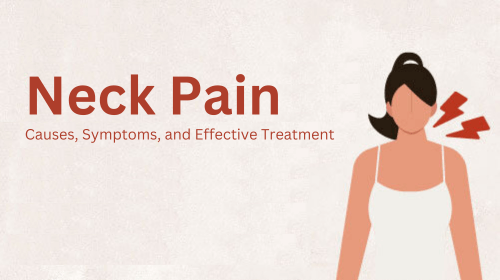
Neck pain is the sensation of discomfort and stiffness in the neck area. It can arise from problems in any neck structure, such as the cervical vertebrae, intervertebral discs, nerves, muscles, blood vessels, oesophagus, larynx, trachea, lymphatic tissues, thyroid, or parathyroid glands.
Neck pain is a common complaint among people. This pain can arise due to various reasons, such as poor posture, overuse, or sleeping in an awkward position. Neck pain can sometimes result from injuries such as falls, contact sports (boxing, ice hockey, football), or whiplash.
Neck pain is sometimes not serious, and one can get relief from it within a few days. However, sometimes neck pain may signal a serious condition and require an orthopaedic doctor’s evaluation.
Symptoms
Neck pain can vary. Sometimes, it will be acute and can be cured within a few days; sometimes, it can be chronic. This pain can range from mild, barely affecting daily activities, to severe, causing significant disability.
Stiff Neck
People with neck pain often describe the pain as though their neck is stiff or stuck. Heaviness in the neck. Neck pain may occasionally lead to a reduced range of motion.
Sharp or Stabbing Pain
Neck pain can present as a sharp or “stabbing” sensation confined to a specific area.
Pain During Movement
Neck pain worsens with movement, twisting, or bending the cervical spine in any direction.
Radiating Pain or Numbness
The neck pain may radiate to your head, trunk, shoulders, and arms. If a nerve is compressed due to neck pain, you might experience numbness, tingling, or weakness in one or both of your arms or hands.
Headache
Neck pain can also trigger a headache known as a cervicogenic headache. This pain with a headache may also be a symptom of a migraine headache.
Causes
Many reasons can hurt the neck. The common causes of neck pain include
Muscle Strain
This often results from poor posture, prolonged desk work, sleeping with the neck in an awkward position, or sudden neck movements during exercise.
Injuries
The neck is vulnerable to injury in situations like falls, car crashes, and sports, where its muscles and ligaments are forced beyond their usual range of motion. A fracture in the neck bones (cervical vertebrae) can potentially injure the spinal cord as well. Neck injury from sudden jerking of the head is commonly called whiplash.
Nerve Compression
Bulging discs or bone growths in the neck vertebrae may put pressure on the nerves emerging from the spinal cord.
Illness
Certain diseases, such as rheumatoid arthritis and meningitis, can cause neck pain.
Other Common Causes
- Poor posture
- Repetitive motion
- Bad sleep habits
- Gritting your teeth
- Carrying a heavy shoulder bag or purse
- Pinched nerves
- Sports injuries or other injuries
- Whiplash
- Arthritis
- Infection
- Tumors
- A fractured or collapsed vertebra related to osteoporosis
- A slipped or herniated disk
- Narrowed spaces within your spine
Treatment
The treatment for neck pain varies from person to person, and it entirely depends on the cause of the neck pain. The doctors, after a thorough examination and diagnosis, will suggest a treatment.
Before diagnosing, one of the following tests should be taken to arrive at the correct treatment.
- Blood test
- X-ray
- CT scan
- MRI scan
- Electromyography enables your doctor to assess the condition of your muscles and the nerves that regulate them.
- Lumbar puncture
Therapy
The following therapeutic approaches can help alleviate neck pain, improve mobility, and prevent future complications.
Physical Therapy
A physical therapist can help you adopt correct posture and alignment, teach exercises to strengthen your neck, and use methods like heat, ice, and electrical stimulation to alleviate pain and prevent it from coming back.
Traction
Traction employs weights, pulleys, or an air bladder to carefully stretch and relieve tension in your neck. This treatment, under the oversight of a clinical expert, may give some relief to the neck pain, particularly the pain related to nerve root irritation.
Short-Term Immobilization
A delicate collar that upholds your neck might assist with soothing pain by easing the heat off the structures in your neck. In any case, if used for three hours all at once or for more than one to two weeks, a collar could cause more damage.
Neck Pain Exercises
If you are enduring neck pain, exercising regularly and stretching will help give relief. Exercises like,
- Forward and backward tilt
- Seated twists
- Shoulder rolls
- Forward bend
- Backward bend
Frequently Asked Questions
1. How can I relieve my neck pain fast?
Apple ice, take OTC painkillers, take a break from sports or heavy workouts, practice good posture or exercise.
2. Which is the best pillow for neck pain?
A cervical pillow is best suited for people with neck pain. You can buy this pillow from stores or online retail platforms.