 Health
  Find a
  Book an
 Nonalcoholic Steatohepatitis (NASH): Causes, Symptoms, Diagnosis & Treatment
February 24, 2026
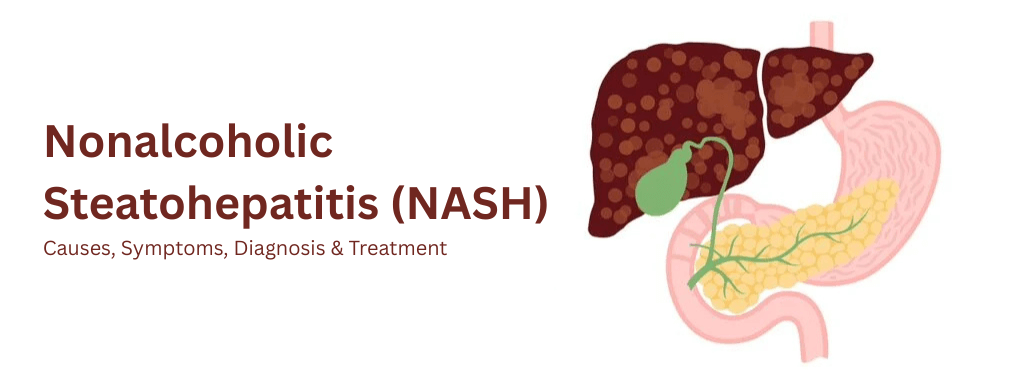
Nonalcoholic steatohepatitis (NASH), also called metabolic dysfunction-associated steatohepatitis (MASH), is an advanced form of nonalcoholic fatty liver disease (NAFLD). It arises from fat accumulation in the liver, triggering inflammation and liver cell damage.
Fat deposition in NASH promotes swelling of the liver, which can lead to scarring over time. Ongoing scarring can eventually cause cirrhosis (severe liver damage) and, in some instances, lead to liver failure. NASH affects people who drink little to no alcohol, even though it resembles liver disease caused by excessive alcohol consumption.
NASH often develops in individuals with obesity, type 2 diabetes, high blood pressure, or increased cholesterol. If not treated, it can significantly increase the chance of serious liver disorders, such as liver cancer. To reflect a clearer understanding of the condition, NASH has been renamed metabolic dysfunction-associated steatohepatitis (MASH).
Causes
Although the exact cause of NASH/MASH is unknown, several factors are recognised to play a role:
1. NASH is closely linked to metabolic disorders, including:
- Obesity – Having too much body fat, especially around the stomach, makes it more likely for fat to build up in the liver.
- Insulin Resistance – When the body’s cells stop responding properly to insulin, it causes blood sugar to rise and promotes fat buildup in the liver.
- Type 2 Diabetes – People with diabetes who experience insulin resistance face a higher risk of developing NASH.
- Metabolic Syndrome – A cluster of conditions, such as high blood sugar, elevated blood pressure, abnormal cholesterol, and excess belly fat, increases the risk of NASH.
2. High Blood Fat Levels, such as high cholesterol and triglycerides, can contribute to fat buildup in the liver, increasing inflammation and scarring over time.
3. Poor Diet and Lifestyle, such as high-calorie, high-fat, and high-sugar diets, contribute to liver fat accumulation. Lack of physical activity can worsen metabolic dysfunction and increase fat storage in the liver.
4. Some individuals may have a genetic predisposition to developing liver disease, even if they don’t have other major risk factors.
5. Some research suggests that an imbalance in gut bacteria may contribute to liver inflammation and fat accumulation.
6. Hormonal changes, including conditions like polycystic ovary syndrome (PCOS), may be associated with a higher risk of developing NASH.
7. Other medical conditions, such as hypothyroidism (underactive thyroid) and obstructive sleep apnea, have been linked to a higher risk of developing NASH.
Symptoms
Non-alcoholic steatohepatitis (NASH) often has no symptoms in its early stages. When symptoms do appear, they may include:
- Fatigue and general weakness.
- Abdominal pain or discomfort in the upper right side.
- Intense itching and easy bruising or bleeding in advanced stages.
- Jaundice (yellowing of the skin and eyes).
- Abdominal swelling due to fluid buildup (ascites).
- Spider-like blood vessels beneath the skin.
- Confusion, slurred speech, or behavior changes (hepatic encephalopathy) may occur in severe cases.
In advanced stages, NASH can lead to cirrhosis and increase the risk of liver cancer.
Diagnosis
Diagnosing Non-Alcoholic Steatohepatitis (NASH) involves a combination of medical history, physical examination, blood tests, imaging, and sometimes a liver biopsy.
- Medical History Review: Doctors assess your health conditions, lifestyle, and medication use. They inquire about risk factors like obesity, type 2 diabetes, and alcohol consumption to rule out other liver diseases.
- Physical Examination: A doctor checks for jaundice, enlarged liver, or other signs of liver damage. Your Body Mass Index (BMI) and weight are also evaluated.
- Blood Tests: Liver function tests measure enzyme levels, such as ALT and AST, which may indicate liver inflammation. Additional tests, like Fibrosis-4 (FIB-4) and APRI, help assess the extent of liver fibrosis.
- Imaging Tests:
- Ultrasound, CT scan, or MRI detects liver fat but cannot confirm inflammation or fibrosis.
- Elastography measures liver stiffness, helping identify fibrosis severity.
- Liver Biopsy: In cases where other tests are inconclusive, a liver biopsy is performed. It confirms NASH by identifying fat, inflammation, and liver cell damage under a microscope.
Treatment
There is no specific FDA-approved medication for NASH (now called MASH), but treatment focuses on lifestyle changes, managing underlying conditions, and preventing liver damage.
1. Lifestyle Modifications (First-Line Treatment)
Adopting healthy lifestyle changes is the most effective approach to managing NASH and preventing its progression.
- Weight Loss is recommended to ensure liver health.
- Following a healthy diet, prioritizing vegetables, fruits, whole grains, and healthy fats over sugars and refined carbohydrates, can prevent further liver damage.
- Regular exercise, such as walking, resistance, or strength training, may help reduce fat buildup in the liver.
2. Managing Underlying Health Conditions
Since NASH is linked to metabolic disorders, treating other conditions that affect the liver will help. Diabetes, hypertension, and high cholesterol all affect the liver negatively and must be treated.
3. Avoid Alcohol Consumption
Avoiding Liver-Damaging Substances, such as alcohol and unnecessary medications, can stress the liver.
4. Advanced Cases: Managing Cirrhosis and Liver Failure
If NASH progresses to severe fibrosis or cirrhosis, additional treatments such as Medications for liver complications to manage symptoms of cirrhosis or a Liver Transplant, in end-stage liver disease, a transplant may be the only option.
Prevention
You can reduce the risk of nonalcoholic steatohepatitis (NASH) by making healthy lifestyle choices.
- Maintain a healthy weight. Losing extra weight can reduce fat in the liver.
- Eat a balanced diet with fruits, vegetables, whole grains, nuts, seeds, and fish.
- Choose healthy fats and limit sugary foods, sweet drinks, and processed foods.
- Exercise regularly to improve liver health and control weight.
- Avoid alcohol to prevent further liver damage.
- Do not use tobacco products, as they harm overall health.
- Manage conditions like diabetes, high cholesterol, and obesity with proper medical care.
- Go for regular health checkups to monitor your liver health.
Conclusion
Although NASH often progresses without symptoms, its root causes—obesity, insulin resistance, high cholesterol, and metabolic syndrome can be controlled with proper lifestyle changes and medical treatment.
Early intervention can slow, stop, or even reverse liver damage. Protecting your liver requires a healthy diet, regular exercise, weight management, and control of blood sugar and cholesterol. Though there are no FDA-approved medications specifically for NASH, emerging treatments and clinical trials offer hope for the future.
If you have risk factors for NASH, it’s crucial to monitor your liver health through regular check-ups and work with your healthcare provider on a personalized plan. Taking proactive measures now can protect your liver and enhance your overall health. Your liver works tirelessly for you, so take good care of your well-being. Your liver works hard for you, so take care of it!
Frequently Asked Questions
1. Can NASH be reversed?
Yes! Early-stage NASH (MASH) can be reversed with lifestyle changes, especially weight loss and improved metabolic health. However, if the disease progresses to advanced fibrosis or cirrhosis, the damage may become permanent.
2. Is NASH related to alcohol consumption?
No. Unlike alcoholic liver disease, NASH occurs in people who drink little to no alcohol. However, excessive alcohol can worsen liver damage in NASH patients.
3. Is NASH liver disease hereditary?
Yes, NASH liver disease may have a hereditary component. A family history of NASH or NAFLD can increase the risk. Variants of genes such as PNPLA3, TM6SF2, and GCKR have been connected to a higher risk of developing NASH. However, environmental factors like obesity and type 2 diabetes also play a significant role.
4. What is the life expectancy with fatty liver disease?
Life expectancy with fatty liver disease depends on its type and severity. NAFLD may shorten life expectancy by 2.8 years, while alcoholic fatty liver disease increases the risk of liver-related death. Early-diagnosed cirrhosis may allow 10-15 years, but late diagnosis could shorten it to 3-5 years. Early detection and managing risk factors can improve outcomes.