 Health
  Find a
  Book an
 Importance of a Balanced Diet: Tips to Stay Healthy
June 20, 2025
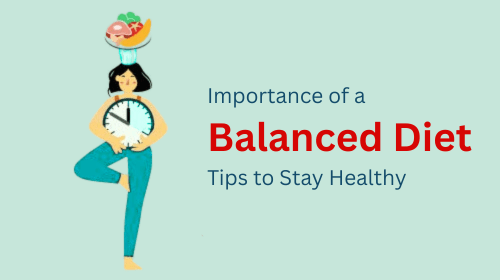
A balanced diet consists of diverse foods in appropriate portions to fulfil the body’s requirements for energy, proteins, vitamins, minerals, and other essential nutrients.
The significant meaning of a balanced diet can’t be underlined enough for a solid way of life or a healthy lifestyle. A healthy lifestyle can be procured by maintaining a balanced diet and keeping in mind to meet all the essential nutrients needed by the body. An organized diet plan promotes healthy body weight and helps prevent chronic illnesses, including diabetes, heart problems, and certain types of cancer.
A balanced diet should comprise 60-70% of total calories from carbohydrates, 10-12% from proteins, and 20-25% of total calories from fat. Most of the daily calories come from the food that one consumes. For example,
- Fresh fruits and vegetables
- Whole grains
- Legumes
- Nuts
Importance of a Balanced Diet
There are five reasons that highlight the importance of a balanced diet.
- Prevents illnesses and infections – Consuming a diet rich in vitamins, minerals, and nutrients can strengthen your immunity and reduce the risk of conditions like heart disease, stroke, and diabetes.
- Manages weight effectively – Whether your goal is to lose or gain weight, following a balanced diet supports healthy weight management over time. In contrast to short-term weight-loss plans, a balanced diet provides a long-lasting approach to achieving and maintaining a healthy weight.
- Boosts emotional well-being – Consuming a variety of nutrients through a healthy diet can help manage stress, improve mood, and support overall mental health.
- A balanced diet is of prime importance for children and adolescents. As children develop, it’s essential that they get proper nutrients to support cell formation, tissue maintenance, and healthy overall growth.
- A healthy, balanced diet not only supports your body but also enhances your appearance by promoting clear skin, strong hair, and a youthful glow.

Importance of Calories in a Balanced Diet
The number of calories in a food portion indicates the amount of energy it provides to the body. Your body uses calories from nourishment for walking, thinking, breathing, and other significant activities.
Calories indicate the amount of energy present in food. When you consume the food, the calories are devoured when you walk, think, or relax. By and large, an individual might need around 2000 calories daily to keep up with their body weight. Generally, an individual’s calories might rely on their sex, age, and physical activity. In addition, men need more calories than women. Individuals who are more into exercising require more calories in contrast to individuals who don’t. It’s likewise essential to recall that the source of calories is equally significant as the number of calories.
Calorie requirements differ based on age, activity level, and gender. The table below outlines the average daily calorie requirements for various age groups.
| Age Group | Male (Calories/day) | Female (Calories/day) |
|---|---|---|
| 1-3 years | 1,000 | 950 |
| 4-6 years | 1,400 | 1,300 |
| 7-9 years | 1,600 | 1,500 |
| 10-12 years | 1,900 | 1,700 |
| 13-15 years | 2,400 | 2,100 |
| 16-18 years | 2,600 | 2,200 |
| 19-30 years | 2,400 | 2,000 |
| 31-50 years | 2,400 | 2,000 |
| 51-60 years | 2,200 | 1,800 |
| 61+ years | 2,000 | 1,600 |
Empty calories come from foods and beverages that offer energy without providing important nutrients like vitamins, minerals, protein, or fiber. These foods can contribute to weight gain without offering nutritional benefits. Here’s a list of common sources of empty calories:
- Sugary Drinks (sodas, sweetened juices, energy drinks)
- Candy and Sweets (chocolates, candies, pastries, cookies)
- Fast Food (fried foods, burgers, pizza, fries)
- Alcoholic Beverages (beer, wine, cocktails, spirits)
- Ice Cream and Other Desserts (cakes, pies, doughnuts)
- Packaged Snacks (chips, crackers, and snack bars with high sugar or fat content)
- Sweetened Breakfast Cereals (those with high sugar and low nutritional value)
- Convenience foods like instant noodles and sweet snack cakes typically contain large amounts of refined sugar and unhealthy fats.
These foods are high in calories but offer little in terms of nutrients that support health. It’s best to limit their intake to maintain a balanced and healthy diet.
Tips to Maintain a Balanced Diet
A balanced diet includes carbohydrates, proteins, fats, vitamins, and minerals, key nutrients needed to support overall health and well-being. Each of these has a significant role and helps a person feel better.
1. Carbohydrates
Carbohydrate-rich foods are vital for a nutritious diet because they supply the body with glucose, its primary source of energy. This glucose is converted into energy, which is used to power bodily functions and physical activity. Choose wisely from the best carbohydrate sources, such as sweet potatoes, oats, quinoa, brown rice, lentils, bananas, and chickpeas.

2. Protein
Proteins are complex, essential molecules that perform numerous vital functions throughout the body. They do most of the work in cells and are required to structure, function, and regulate the body’s tissues and organs. It is vital for proper growth and development at every stage of life. About 25% of daily calories should come from a protein found in pulses like moong dal and urad dhal, and legumes like kidney beans (rajma), black-eyed beans, and chickpeas (channa). Protein-rich options include dairy items like paneer, yogurt, and curd, while non-vegetarians can rely on eggs, lean meats, and fish for high-quality protein.

3. Fats
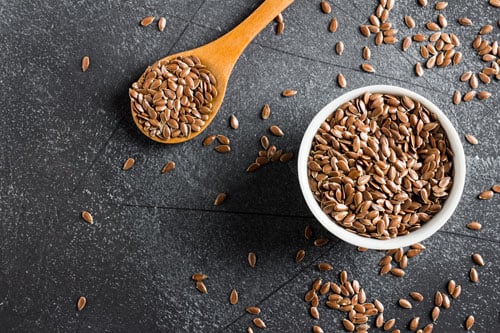
Fats supply around 15% of your daily calorie intake and serve as a key energy source. They also play a crucial role in storing vitamins and producing hormones. Good dietary fat sources include polyunsaturated fats like flax seeds and sunflower seeds, unsaturated fats such as olive and sesame oil, and saturated fats like butter and ghee. However, it’s important to consume all fats in moderation.
4. Vitamins and Minerals
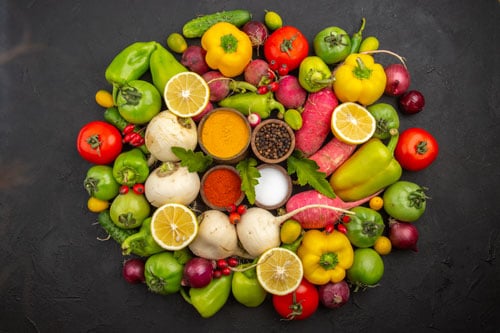
Vitamins and minerals are essential for metabolic processes, proper nerve and muscle activity, strong bones, and healthy cell growth. Fruits, vegetables, nuts, seeds, and poultry are the major sources of vitamins A, B, and C. To get minerals like sodium, potassium, iodine, calcium, and iron, you can add fish, cereals, beans, meat, nuts, and seeds to your diet.
5. Fiber
Fiber is essential for good digestion and helps lower cholesterol levels while controlling blood sugar. To maintain a healthy diet, include fiber-rich foods such as oats, dahlia, quinoa, brown rice, beans, whole grains, nuts, and seeds. These foods support digestion and promote heart health and stable blood sugar.
6. Water
Life without water is unimaginable. Water is a major nutritional component that helps regulate body temperature, lubricate your joints, and protect your major organs and tissues. It also helps carry oxygen to various parts of the body. Make sure that you drink at least eight glasses of water every day.

Benefits of a Balanced Diet
- A well-balanced, nutrient-rich, and varied diet is essential for living a healthy and rewarding life.
- Key vitamins and minerals in your diet are vital for boosting immunity and supporting proper growth.
- Nutritious eating habits can help safeguard the body from various non-communicable diseases, including obesity, diabetes, heart conditions, certain cancers, and bone-related disorders.
- A well-rounded diet also helps in achieving and maintaining a healthy weight.
- Moreover, eating healthy offers a chance to explore a variety of foods from different cultures and experiment with unique cooking methods, adding richness to your lifestyle.
Steps to Stay Healthy Forever
Staying healthy is not about strict rules. It is about small, good habits you follow every day. These simple steps can help you live a long and healthy life.
- Eat a balanced diet – Include all major food groups in your meals. Your body needs carbohydrates, proteins, healthy fats, fruits, and vegetables to work well. Add healthy proteins such as pulses, milk products, and lean meats to your diet.
- Eat more fruits and vegetables – Fruits and vegetables are rich in vitamins, minerals, and fiber. They help improve digestion and protect your body from diseases.
- Avoid processed foods – Limit packaged and processed foods. They often contain too much salt, sugar, and unhealthy fats. Choose fresh, home-cooked meals whenever possible.
- Watch your portion sizes – Even healthy food can cause weight gain if you eat too much. Take small portions and avoid overeating.
- Eat at regular times – Fix your meal times and try to follow them daily. Do not skip meals, especially breakfast. Eating on time helps maintain steady energy levels.
- Eat when you are truly hungry – Listen to your body. Avoid eating out of boredom or stress. Choose healthy foods when you feel hungry.
- Drink enough water – Stay hydrated by drinking 6–8 glasses of water every day. Water helps with digestion and keeps your body functioning properly.
- Be physically active – Spend at least 30 minutes doing physical activity such as brisk walking, jogging, or yoga. Try to exercise at least five days a week to keep your body strong and fit.
- Get enough sleep – Sleep for 7–9 hours every night. Good sleep helps your body repair itself and supports your overall health.
- Take care of your teeth – Brush and floss your teeth every day. Good dental health is an important part of overall health.
- Be mindful while eating – Pay attention to what you eat. Eat slowly and enjoy your food without distractions. This helps prevent overeating.
Following these simple steps every day can help you stay healthy, active, and energetic for years to come.
Foods to Avoid in a Balanced Diet
To maintain a balanced diet, it’s best to avoid certain food groups such as:
- Highly processed foods
- Refined grains
- Foods high in added sugar and salt
- Red and processed meats
- Alcoholic beverages
- Foods containing trans fats and saturated fats
7 Days of Nutrient-Rich Meals: A Complete Diet Chart
This 7-day meal plan offers a balanced combination of essential nutrients to support overall health. It includes diverse, wholesome options for every age group to maintain energy and well-being.
| Day | Breakfast | Lunch | Snack | Dinner |
|---|---|---|---|---|
| Day 1 | Poha with peanuts and veggies / Upma | Dal (lentils) with brown rice and cucumber salad / Palak (spinach) curry with roti | Buttermilk and fruit / Chia pudding with mixed berries | Grilled chicken with chapati and sautéed vegetables / Tofu stir-fry with brown rice |
| Day 2 | Vegetable upma with a boiled egg / Methi paratha with curd | Vegetable curry with roti and a side of curd / Chana masala with quinoa | Roasted chickpeas and coconut water / Sliced cucumber with lemon and pepper | Paneer tikka with mixed vegetable salad / Vegetable stew with brown rice |
| Day 3 | Oats porridge with banana and almonds / Moong dal chilla | Chapati with mixed dal and a side of greens (spinach) / Palak dal with steamed rice | Sliced apple with peanut butter / Roasted nuts | Fish curry with steamed rice and sautéed carrots / Vegetable pulao with raita |
| Day 4 | Idlis with sambar and coconut chutney, / Poached eggs with toast | Khichdi with plain yogurt and salad / Methi thepla with yogurt | Papad with cucumber slices / Greek yogurt with a handful of nuts | Tofu curry with quinoa and a side of sautéed beans / Vegetable khichdi with curd |
| Day 5 | Masala paratha with curd / Suji (semolina) upma | Rajma (kidney beans) with brown rice and salad / Chole with whole wheat roti | Boiled sweet potato and nuts / Fruit chaat | Palak (spinach) paneer with roti and carrots / Vegetable and dal khichdi |
| Day 6 | Dosa with coconut chutney and sambar / Moong dal pancakes | Paneer bhurji with chapati and a side of tomato salad / Baingan bharta with roti | Chana salad (chickpeas) / Sliced avocado with lime | Aloo gobi with roti and a glass of buttermilk, / Quinoa and vegetable stir-fry |
| Day 7 | Moong dal chilla with mint chutney / Vegetable paratha with yogurt | Baingan bharta (eggplant) with chapati and curd / Lauki (bottle gourd) curry with rice | Fruit chaat (apple, pomegranate) / Carrot and cucumber sticks with hummus | Grilled chicken with sautéed spinach and brown rice / Paneer curry with roti |
A balanced diet provides the body with the vital nutrients it needs to function properly. An unbalanced diet can make the body more vulnerable to diseases, infections, fatigue, and reduced performance. Children lacking proper nutrition may experience growth delays, developmental problems, poor academic results, and frequent infections.