 Health
  Find a
  Book an
 Laparoscopic Surgery: Benefits, Procedure, and Recovery
July 25, 2025
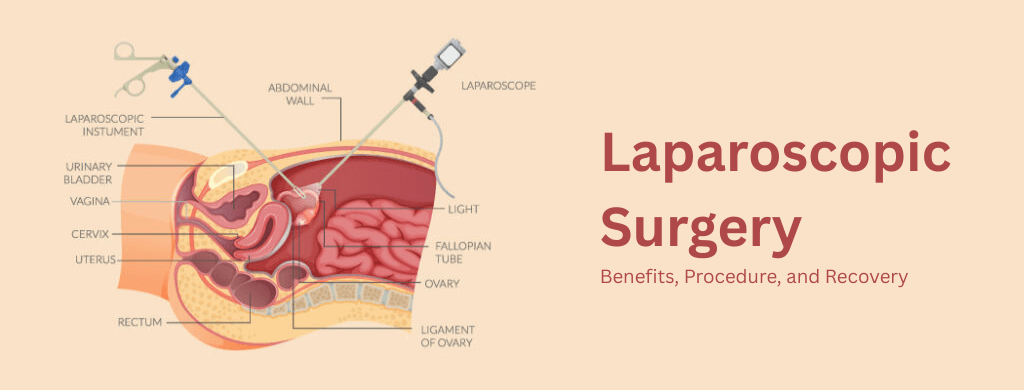
Laparoscopy is a type of surgery that helps a surgeon look inside the body without making a large cut (incision). It is used to both diagnose and treat conditions that have developed in the belly or pelvis. The term laparoscopy is derived from the name laparoscope, which is a slender tool that has a tiny video camera and a light at the end. The surgeon makes a small cut in your body (measuring half an inch or less) and inserts the laparoscope into your body. With the help of the video camera, the surgeon can observe what is happening inside your body. Without making a large opening, these instruments enable a doctor to observe what is happening inside the body. Laparoscopic surgery is also called keyhole surgery.
Why is Laparoscopic Surgery Done?
Laparoscopic surgery is used for various surgeries, such as:
- Adrenal gland removal
- Removal of cysts, polyps, fibroids, and stones
- Removal of small tumours
- Biopsies
- Tubal ligation and reversal
- Ectopic pregnancy
- Endometriosis surgery
- Urethral or vaginal reconstruction surgery
- Orchiopexy or testicle correction surgery
- Rectopexy or rectal prolapse repair
- Hernia repair surgery
- Esophageal anti-reflux surgery
- Gastric bypass surgery
- Gallbladder removal
- Appendix removal
- Prostate and kidney removal
- Removal of a part of the liver, bowel, or stomach
- Cancer
Diagnostic Laparoscopy
A laparoscopy can diagnose the cause of symptoms that you experience in the belly or pelvis. Sometimes, X-rays, ultrasounds, and MRI scans do not provide enough information to confirm a diagnosis. A diagnostic laparoscopy can be used to figure out the stage of cancer for an abdominal organ. In the case of an abdominal injury, it can be used to find out where and how deep the injury is.
It is used to check for tumours or other growths in the belly or pelvis. It is used when there is bleeding or pain that cannot be explained, infections, blockages, or other conditions. Pain can be caused by appendicitis, adhesions, intra-abdominal scar tissue, pelvic infections, abdominal bleeding, and, less frequently, cancer. Sometimes, a tumor can be felt or seen on X-ray, but it requires a diagnosis before treatment or therapy can be recommended. Laparoscopy can enable the physician to look directly at the mass, obtain tissue, and make a diagnosis.
In women, diagnostic laparoscopy can be used to examine pelvic pain, ovarian cysts, fibroids, and fallopian tube issues. It is used to diagnose and treat endometriosis.
Sometimes, there is the presence of a fluid in the abdominal cavity called ascites. The cause of this cannot be understood without looking inside the abdominal cavity, which can be easily done with laparoscopy.
At other times, an ultrasound, MRI, or CT scan can reveal a mass inside or on the surface of the liver. A liver biopsy may be required for diagnosis. Laparoscopy is a safe and accurate way to accomplish this.
A “second look” or cancer staging is done with laparoscopy. Before performing a formal exploration of the abdomen or doing treatments like chemotherapy or radiation therapy, laparoscopy is used.
Benefits
Laparoscopy has a lot of benefits over traditional surgery methods. This is because it involves less cutting. The benefits are:
- Smaller scars
- Early discharge from the hospital
- Less pain and scars heal faster
- You can resume normal activities very quickly
- Less internal scarring
- Reduced risk of wound infection
- Reduced risk of hemorrhage and lower blood loss
- Less pain medication
In traditional surgery, for intestinal surgery, you may spend a week or more in the hospital. Your total recovery may take 4 to 8 weeks. When you have laparoscopic surgery, you will stay only two nights at the hospital and recover in 2 or 3 weeks. A shorter hospital stay means lower costs.
Risks
Laparoscopic surgery is usually safe, but problems can still happen.
You may feel pain, swelling, or bruising around the small cuts. Some people get nausea or vomiting after anesthesia. The gas used during surgery can cause shoulder pain or bloating for a short time. Infections or bleeding can also occur at the incision sites.
In rare cases, the surgical tools may injure nearby organs, blood vessels, nerves, or the bowel. Scar tissue may form inside the abdomen, and a hernia can develop at a cut site. A few people may have long-lasting pain in the operated area.
There is also a small risk of blood clots forming in the legs or pelvis. Very rarely, a clot can travel to the lungs, heart, or brain and cause serious complications.
Some risks are linked to anesthesia, such as allergic reactions or breathing problems. Rarely, the carbon dioxide used to inflate the abdomen may lead to issues like gas buildup, air trapped under the skin or chest, or a collapsed lung.
If difficulties arise during surgery, the surgeon may need to switch to open surgery to complete the procedure safely.
How to Prepare for the Surgery
Preparing well for laparoscopic surgery helps ensure a smooth procedure and faster recovery. Follow these simple steps before your surgery:
- Talk to your doctor: Meet your surgeon before the procedure. Share your full medical history, current health issues, allergies, and any past surgeries. Ask questions if you have concerns.
- Review your medicines: Inform your doctor about all medicines you take, including blood thinners, pain relievers, vitamins, and herbal supplements. You may need to stop some of them before surgery.
- Complete medical tests: Your doctor may ask for blood tests, scans, or heart tests to make sure you are fit for surgery.
- Follow fasting instructions: Do not eat or drink anything, including water, for at least 8 hours or after midnight before surgery, as advised by your doctor.
- Avoid smoking and alcohol: Stop smoking and avoid alcohol for a few days or weeks before surgery, as they can slow healing and affect anesthesia.
- Maintain hygiene: You may be asked to bathe with antiseptic soap the day before surgery to reduce infection risk.
- Wear comfortable clothing: Choose loose-fitting clothes on the day of surgery to avoid pressure on your abdomen after the procedure.
- Skip jewelry and makeup: Do not wear jewelry, nail polish, or makeup to the hospital.
- Arrange a ride home: Anesthesia can make you sleepy or unsteady. Arrange for someone to drive you home after surgery.
- Prepare mentally: Feeling nervous is normal. Relax with deep breathing, meditation, or by talking to a trusted person.
Following these steps can help make your laparoscopic surgery safer and your recovery easier.
Procedure
Before the procedure, you may have to take imaging, blood, and urine tests. You will receive fluid through an IV inserted into your vein. Pain medications and anesthesia will also be administered through this. Doctors may insert a breathing tube to keep your airway open. A urinary catheter may be used.
Your skin will be cleaned with a disinfecting solution, and then the surgeon will make the necessary cuts in your pelvic area. Tubes will be inserted for the camera and tools. A drain may also be placed. In some cases, the doctor may use a device that lets them reach inside with a hand. This is called “Hand-assisted” laparoscopy. This is used for the liver and other organs.
Next, carbon dioxide will be gently pumped into separate your abdominal wall from your organs. This helps the surgeon see your organs easily. Now the doctor puts a camera and tools through the tube or tubes and completes the procedure using images on a video monitor.
Once the surgery or biopsy is complete, the surgeon will let the gas out of your body and close the incisions. A diagnostic laparoscopy procedure takes between 30 minutes and an hour. If the condition is very complicated, a surgery could take up to 3 hours. At any point, if the surgeon feels that they cannot complete the surgery laparoscopically, they will switch to a traditional open procedure with a larger incision.
After surgery, you’ll stay in a recovery room for about an hour while healthcare providers monitor your vital signs until you wake up. You may have pain after the surgery, both from gas left in the body and from the incisions or surgery itself. Pain medication can help relieve these symptoms.
Recovery
As you recover, you may experience any of the following:
- Nausea: You will be asked to drink clear liquids till the nausea disappears. Avoid carbonated beverages for a few days after the surgery. The doctor will instruct you when you can resume eating soft foods and your regular diet.
- Shoulder pain: The carbon dioxide used to inflate your abdomen may cause shoulder pain. The gas presses on a nerve that directs pain in the shoulder. This may take about two days to reduce.
- Incision pain: Your doctor will tell you how to care for the incisions once you leave the hospital. If the wounds become red, swollen, painful, have discharge or bleeding, you must call your doctor at once. If the doctor has placed a drain, then you may need to empty the collected fluids many times in a day to keep the tube clear.
- Abdominal or pelvic pain: These get better after a few days. However, if they get worse, call the doctor immediately.
- Constipation, tiredness, and trouble sleeping: If you are bothered by any of these, contact the doctor, and they will help you with medication.
Conclusion
Laparoscopy is a very efficient surgery that allows doctors to see what is happening inside your body without opening you up. A lot can be done through these tiny holes, but everything cannot be done. Larger problems may require being addressed using traditional surgical methods. However, many issues can be treated using this minimally invasive procedure.
Frequently Asked Questions
1. What are the long-term side effects of laparoscopic surgery?
Long-term side effects of laparoscopic surgery are rare but may include chronic pain due to nerve damage or scar tissue, digestive issues like reflux, and adhesions that can lead to abdominal pain, infertility, or bowel obstruction. Other complications may involve organ injury, anesthesia-related issues, blood clots, or hernias. Always consult a doctor if any concerns arise.
2. What is the laparoscopic surgery recovery time?
Laparoscopic surgery recovery varies but typically takes a few days to three weeks. Simple procedures may allow a return to work within a week, while complex ones take longer. Common symptoms include mild pain, fatigue, and nausea. Rest, hydration, and avoiding strenuous activities help recovery. Consult a doctor if severe pain, fever, or swelling occurs.
3. How to expel gas after laparoscopic surgery?
Walk, change positions, avoid gas-causing foods, eat slowly, use a warm compress, and take gas relief medication if needed. Follow your doctor’s advice.
4. What can I expect after a laparoscopy?
You may have mild abdominal pain, shoulder pain, or bloating. You may feel tender at the incisions and take up to 2 weeks to recover.
5. Is laparoscopic surgery safe during pregnancy?
Laparoscopic surgery is generally not preferred during pregnancy unless it is medically necessary. Always consult your healthcare provider to understand the best option for your specific condition.