 Health
  Find a
  Book an
 Intestinal Failure: Causes, Symptoms, and Treatment Options
October 8, 2025
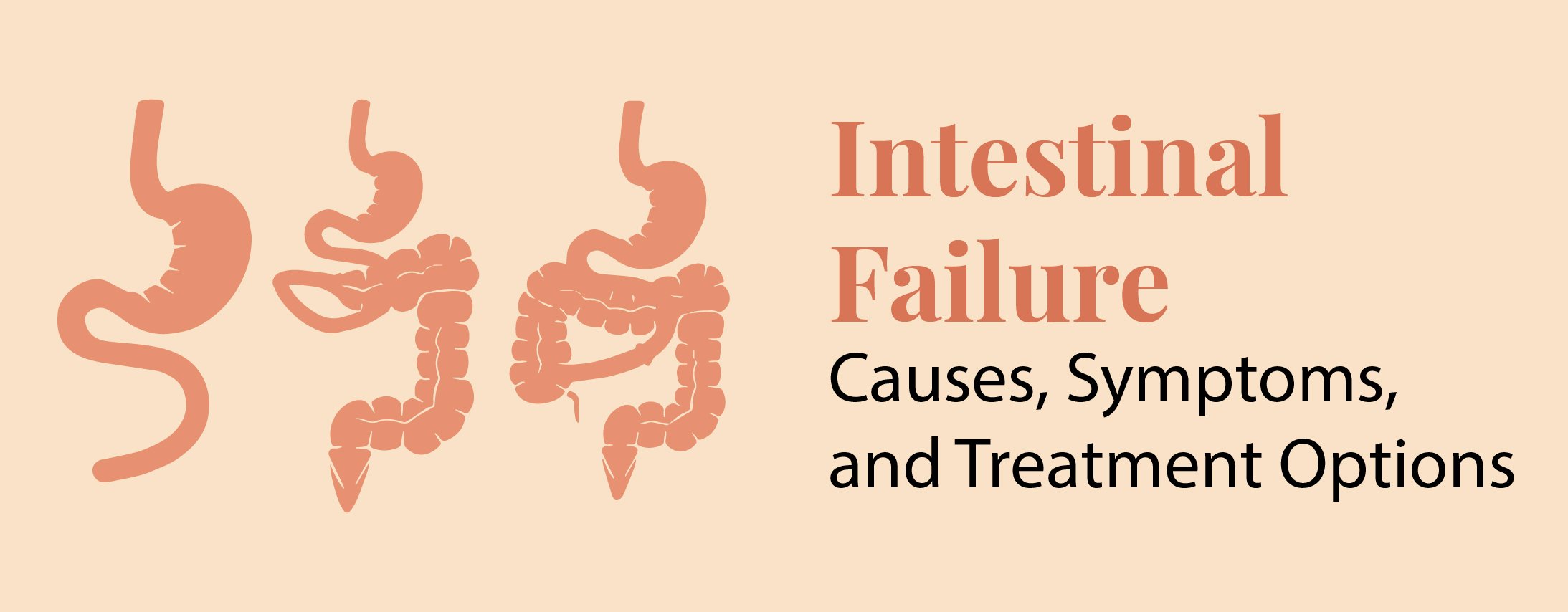
Intestinal failure happens when the intestines cannot absorb enough water, nutrients, and electrolytes to satisfy the body’s needs. This may result in malnutrition, dehydration, and various other health problems. People suffering from intestinal failure typically require specialist medical attention to ensure proper nutrient intake.
Types
Doctors group intestinal failure into three types based on how long the condition lasts and how much nutrition support a person needs.
Type 1 (Short-term or Acute): This type lasts for a short time. A person needs short-term support for nutrition and fluids. It may happen after surgery or another condition that improves quickly.
Type 2 (Prolonged): This type lasts longer and needs extended nutrition and fluid support. Life-saving nutrition through a vein, called parenteral nutrition, is usually required for more than 20 days. It often follows serious health problems and can last for several weeks or more.
Type 3 (Long-term or Chronic): This type is long-lasting and may be lifelong. People with this type usually need long-term parenteral nutrition. Many are stable and can manage their care at home with home-based nutrition support.
Causes
Several conditions and factors can lead to intestinal failure, including:
1. Short Bowel Syndrome (SBS)
This occurs when a large portion of the small intestine is removed due to surgery. Without enough intestine, the body struggles to absorb food properly, leading to nutrient deficiencies and dehydration.
2. Chronic Intestinal Diseases
Conditions such as Crohn’s disease, celiac disease, and severe irritable bowel syndrome (IBS) can damage the lining of the intestine, making it difficult to absorb nutrients.
3. Congenital Conditions
Some babies are born with missing or malfunctioning intestines, making it hard for them to absorb nutrients from birth.
4. Radiation Damage
People who undergo radiation therapy for cancer in the abdominal area may experience damage to their intestines, reducing their ability to absorb nutrients.
5. Infections and Inflammation
Severe infections, inflammation, or complications from surgery can harm the intestine’s ability to function properly.
Symptoms
The symptoms of intestinal failure vary depending on the severity of the condition. However, common signs include:
- Chronic Diarrhoea: Frequent loose stools due to poor absorption of nutrients and fluids.
- Severe Malnutrition: Weight loss, muscle weakness, and extreme fatigue due to a lack of essential nutrients.
- Dehydration: Symptoms include dry mouth, dizziness, and dark urine due to loss of fluids.
- Bloating and Abdominal Pain: Discomfort caused by undigested food remaining in the intestines.
- Electrolyte Imbalances: Deficiency of essential minerals such as sodium and potassium, which can cause weakness, confusion, or an irregular heartbeat.
Diagnosing Intestinal Failure
Doctors diagnose intestinal failure through:
- Medical History & Physical Examination: Understanding symptoms and previous digestive issues.
- Blood Tests: Checking nutrient levels, electrolytes, and signs of malnutrition.
- Stool Tests: Assessing fat content to determine absorption levels.
- Imaging Scans: Using X-rays, CT scans, or MRIs to examine the intestines for damage or structural issues.
- Endoscopy & Biopsy: Examining the intestine with a small camera and taking tissue samples for analysis.
Treatment Options
Managing intestinal failure depends on the severity of the condition and the underlying cause. Here are some treatment approaches:
1. Nutritional Support
Many people with intestinal failure need special feeding methods to get the nutrients their bodies cannot absorb from food. These include:
- Parenteral Nutrition (PN) – A technique in which nutrients are delivered straight into the bloodstream through a vein, bypassing the digestive tract.
- Enteral Nutrition – A liquid diet administered via a feeding tube placed in the stomach or intestine, allowing the body to absorb certain nutrients.
2. Dietary Adjustments
A specialized diet plan can help manage symptoms and improve nutrient absorption. Doctors or dietitians may recommend:
- Eating small, frequent meals.
- Choosing easily digestible foods.
- Avoid high-fat or high-fiber foods that may worsen symptoms.
- Staying hydrated with electrolyte-rich fluids.
3. Surgical Treatments
In some cases, surgery may be needed to improve intestinal function. Surgical options include:
- Bowel Lengthening Procedures – For patients with short bowel syndrome, procedures can help increase the surface area available for nutrient absorption.
- Intestinal Transplant – In severe cases where the intestines cannot function at all, a transplant may be considered.
4. Managing Underlying Conditions
Treating the root cause of intestinal failure, such as managing Crohn’s disease or infections, can help improve absorption and overall health.
Living with Intestinal Failure
Patients with intestinal failure frequently require lifetime care and monitoring. However, with appropriate therapy and dietary management, many people can live satisfying lives. Regular check-ups with doctors and dietitians help ensure the highest quality of life.
Conclusion
Intestinal failure is a serious condition that reduces the body’s ability to absorb water and nutrients. It may be caused by a variety of illnesses, surgeries, or birth anomalies. Symptoms such as diarrhea, malnutrition, and dehydration can have a significant impact on daily life. Nonetheless, patients can effectively manage the illness with the right treatment plan, which includes dietary changes, nutritional support, and, in some cases, surgery. If you or a loved one is experiencing symptoms of intestinal failure, you or they must seek medical attention immediately for an appropriate diagnosis and treatment plan.
Frequently Asked Questions
1. Can intestinal failure be cured?
While intestinal failure isn’t always curable, proper treatment can help most people control the condition and live well.
2. What foods should I avoid with intestinal failure?
It is best to avoid high-fiber, high-fat, and difficult-to-digest foods. A doctor or dietitian can provide a personalized diet plan.
3. Is intestinal failure a life-threatening condition?
It can be serious if left untreated, but with proper medical support, including nutritional therapy and lifestyle changes, patients can live well.