 Health
  Find a
  Book an
 Fatty Infiltration of the Liver: Causes, Symptoms, and Prevention
March 31, 2026
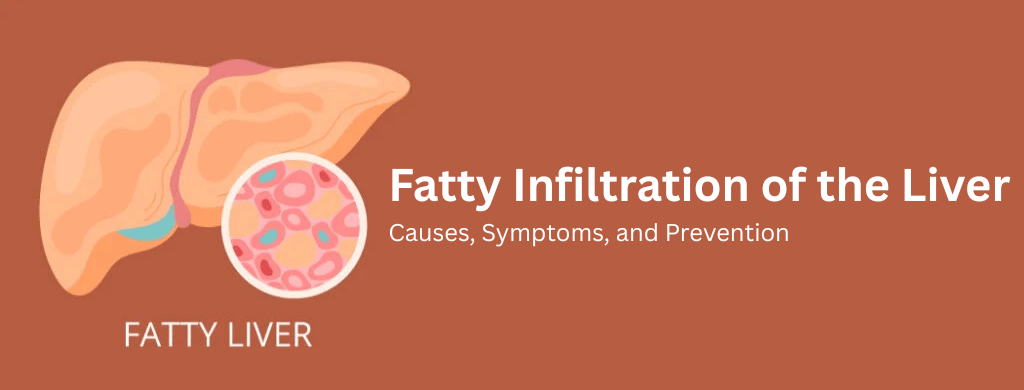
Fatty infiltration means overaccumulation of fat in the liver. Fatty infiltration can eventually cause damage to the liver. Liver damage is usually treatable. By maintaining a healthy diet, making lifestyle changes, and reducing alcohol consumption, you can prevent or improve this liver condition.
The body uses the liver as its primary organ for breaking down meals and waste. Very little or no fat is present in a healthy liver. Your body converts some calories from excess food and alcohol into fat as a way of coping with the excess. The liver cells subsequently store this fat.
You have fatty liver when the percentage of fat in your liver is greater than 5% to 10%. Fatty liver occurs when an excessive amount of fat accumulates in the liver. It is prevalent, especially in those who are overweight and have diabetes. It can result in serious health issues even though there may not be any symptoms. The best way to avoid and treat the illness is to make lifestyle changes.
Symptoms
Most of the time, fatty infiltration of the liver is asymptomatic. Those experiencing symptoms :
- could feel worn out or generally ill.
- experience discomfort in their upper right abdomen
- have weight reduction
The following are indicators of a more severe case of fatty infiltration of the liver:
- Jaundice, or yellow eyes and skin.
- Bruises
- Dark urine
- Bloated stomach
- Bleeding when vomiting
- Black feces
- Itchiness on the skin
If you experience any of these signs, consult your physician.
Causes
Most often, a number of variables working together over an extended length of time cause fatty infiltration of the liver. The following are some of the common causes:
- Obesity and being overweight, particularly in the abdomen
- Being insulin-resistant or suffering from type 2 diabetes
- Have elevated triglycerides or blood cholesterol
- Exceeding the recommended alcohol intake
Less frequent causes of fatty infiltration of the liver include:
- Medications
- An underactive thyroid
- Having PCOS, or polycystic ovarian syndrome
- Late-stage pregnancy problems might also induce fatty liver in certain individuals
Types
There are two main causes of fatty infiltration of the liver.
FATTY INFILTRATION OF THE LIVER LINKED TO METABOLISM:
The type of fatty infiltration of the liver that occurs most frequently is metabolically related. Other names for this condition include
- Non-alcoholic fatty liver disease
- Hepatic steatosis without alcoholism
Being overweight or obese and not getting enough exercise is the cause of this kind of fatty infiltration of the liver.
ALCOHOL-INDUCED FATTY INFILTRATION OF THE LIVER
Long-term excessive alcohol use is the cause of alcohol-related fatty infiltration of the liver.
Diagnosis
It is difficult to diagnose this condition because the majority of people don’t have any symptoms. Your doctor may use different methods and utilise a variety of tools to diagnose fatty liver disease.
A liver function test, which is a blood test, may be required of you. This will evaluate the condition of your liver. Additionally, a scan, such as an MRI or ultrasound, can be advised.
You might require more testing to thoroughly examine your health if the results indicate that you have a fatty liver.
In light of the test results, your physician can recommend that you consult a gastroenterologist. In more serious situations, a physician could schedule a liver biopsy to confirm the diagnosis. This will also assist them in determining the extent of the illness.
Treatment
There is no single medicine to cure fatty liver disease. Treatment mainly focuses on improving your lifestyle and controlling the factors that cause fat to build up in the liver. With the right steps, it is possible to reduce or even reverse the condition.
1. Healthy Diet
Eating the right food is very important. Choose fruits, vegetables, whole grains, and lean proteins. Avoid sugary drinks, junk food, and processed items. Eating less and choosing healthy options can help your liver recover.
2. Weight Loss
Reducing excess body weight can help improve the health of your liver. Losing even a little weight can help. Aim to reduce weight gradually in a safe and healthy manner.
3. Regular Exercise
Regular exercise helps lower fat in the liver. Aim for at least 30 minutes of exercise most days of the week. Simple activities like walking, cycling, or swimming can help.
4. Avoid Alcohol
Alcohol can damage the liver further. It is best to avoid alcohol completely, especially if you already have fatty liver disease.
5. Manage Health Conditions
Control conditions like diabetes, high cholesterol, and high blood pressure. Take medicines as advised by your doctor and monitor your health regularly.
6. Medicines (If Needed)
Doctors may prescribe medicines in some cases to manage related conditions or reduce liver fat. Always take medicines only as directed by your doctor.
7. Avoid Harmful Substances
Some medicines and chemicals can harm the liver. Do not take medicines without medical advice. Also, avoid unnecessary supplements.
8. Regular Check-Ups
Visit your doctor regularly to check your liver health. Blood tests and follow-ups help track your progress and prevent complications.
Prevention Tips
To avoid fatty infiltration of the liver, adopt lifestyle practices such as:
- Consuming a nutrient-rich diet that includes fruits, vegetables, whole grains, and healthy fats
- Preserving a healthy weight
- Consuming little to no alcohol
- Participating in regular exercise on the majority of days each week
Complications
Fatty infiltration of the liver on its own often doesn’t initially cause too many issues for most people. Gradually, it may get worse.
Liver inflammation brought on by excess fat in the liver ultimately results in liver fibrosis or scarring. More severe chronic liver diseases, like cirrhosis or liver cancer, could also result from it.
Some individuals who develop severe liver cirrhosis require a liver transplant.
Conclusion
The liver undergoes fatty infiltration when an abnormal amount of fat is stored within its cells. Until there has been extensive liver damage, many people with fatty liver disease don’t exhibit noticeable symptoms. When early symptoms appear, they may be vague and include weariness and pain in the upper right abdomen.
The main course of treatment for fatty liver disease is to adopt healthier lifestyle choices that support liver function. When treated in its early stages, fatty liver disease can potentially reverse the harm that has been done.
Frequently Asked Questions
1. Which diet is recommended for those with fatty infiltration of the liver?
If you have weight-related fatty infiltration of the liver, you should gradually reduce your body weight by eating a balanced diet. Additional foods and diets high in whole grains, nuts, seeds, fish, and poultry are beneficial. It’s also critical to abstain from sugar-filled beverages and excessive red meat consumption.
2. Does fatty liver cause stomach bloating?
Yes, fatty liver disease can cause stomach bloating. This happens due to liver inflammation, fluid buildup (ascites), or poor digestion linked to liver dysfunction. If bloating persists or occurs alongside symptoms such as fatigue or pain, seek medical advice.
3. What is the life expectancy with fatty liver disease?
Life expectancy with fatty liver disease depends on its type and severity. NAFLD may reduce lifespan by 4.2–4.4 years, while AFLD has a median survival of 19.5 years. If NASH progresses to cirrhosis, life expectancy can drop to 3–5 years. Advanced scarring and complications further impact survival.