 Health
  Find a
  Book an
 Hole in the Heart – Symptoms, Causes & Treatment
March 30, 2026
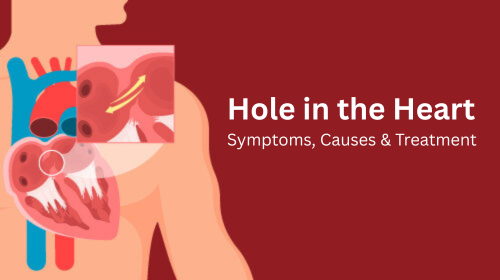
A healthy heart consists of two sections, left and right, divided by a structure called the septum. The right side of the heart receives blood low in oxygen and sends it toward the lungs. Once enriched with oxygen, the blood flows back from the lungs and enters the heart’s left side. The septum averts the mixing of blood between the two sides.
Withal, some babies are born with a hole in the heart septum at the upper or lower walls. A defect in the wall separating the top two chambers of the heart is known as an Atrial Septal Defect (ASD), while a defect between the bottom chambers is called a Ventricular Septal Defect (VSD). In addition, raising awareness about heart attack symptoms in men and women may lower the occurrence of heart attacks and, as a whole, heart disease.
What are ASD and VSD?
An Atrial Septal Defect (ASD) is a congenital condition involving an opening in the wall that separates the heart’s upper chambers. A Ventricular Septal Defect (VSD) is a congenital condition involving an opening in the wall that separates the heart’s two lower chambers. With ASD and VSD, blood rich in oxygen from the left side may leak into the right side, which carries low-oxygen blood. A sizable ASD can lead to excess blood reaching the lungs, forcing the heart to pump harder than usual.
VSD in Adults
VSD cases are relatively rare in adults, more severe, and potentially fatal. The most common cause is damage to the heart muscle, causing a hole after a severe heart attack. The other reasons are heart surgeries and trauma to the heart. This sort of defect usually needs surgery.
VSD in Infants
A VSD in infants is a congenital abnormality (one that the baby is born with) and occurs because of abnormal organ development during pregnancy. Babies born with a VSD and other associated heart conditions are much more severe and require corrective surgery. Babies born with either a small VSD or an isolated finding usually have a better outcome. Many of them can live everyday lives without realizing a problem. The VSD is generally picked up by a doctor when a patient visits for some other condition.
Symptoms
A tiny hole in the heart may not cause any issues. However, a large hole is typically diagnosed soon after birth because it causes symptoms. Most ventricular septal defects are diagnosed by pediatricians when they examine newborns. ASDs can be more difficult to diagnose because they don’t always have easy signs to look for.
Septal Defects in Babies Include
- Abnormal heartbeat
- Fast breathing
- Poor growth
- Trouble eating
In Older Children and Adults,
- Fatigue
- Heart palpitations
- Inability to exercise
- Shortness of breath
- Stroke
Causes
Genetics
A child could also be at higher risk of congenital heart defects if either parent had a congenital heart defect. Other genetic conditions: Children with genetic disorders such as Down syndrome may be more likely to have a hole in the heart.
Smoking
Congenital heart defects like ASD and VSD are more likely to occur in babies whose mothers smoked during pregnancy.
Risk Factors
The formation of a hole in the heart is typically affected by a combination of genetic and environmental influences. Major risk factors include:
- Genetic predisposition: A family history of congenital heart defects may increase the likelihood of a hole in the heart.
- Maternal health conditions: Pregnancy complications like diabetes, lupus, and rubella (German measles) can increase the likelihood of a congenital heart defect in the baby.
- Substance exposure during pregnancy: Alcohol, tobacco, and certain medications (like those for high blood pressure, lupus, or seizures) can increase the chances of a baby being born with a heart defect.
- Environmental factors: During pregnancy, exposure to harmful substances like thalidomide, isotretinoin, or statins can affect the development of the baby’s heart.
Complications
The complications of a hole in the heart vary depending on the size and kind of defect present. Potential complications include:
- Atrial Septal Defect (ASD): A Large ASD can lead to right-sided heart failure, arrhythmias, stroke, pulmonary hypertension, and Eisenmenger syndrome.
- Ventricular Septal Defect (VSD): May cause heart infection, aortic valve leakage, and heart failure.
- Pregnancy Complications: Women with ASD may face high-risk pregnancies and should consult a healthcare provider before pregnancy.
When to Seek Medical Care?
Any of the subsequent symptoms should be reported to your child’s healthcare provider:
- Unusual weight gain in the first months of life
- Unusual behaviour
- Shortness of breath
- Bluish colour of the skin, lips, or under the nails
- Unusual or unexplained sweating
- Hole in the Heart- Diagnosis & Treatment
- Physical examination - The physician uses a stethoscope to listen to the heart and lungs, checking for any murmurs.
- Echocardiography
- Electrocardiogram
- Chest x-ray
- Cardiac catheterization
- Pulse oximetry
Available Diagnostic Procedures
An echocardiogram can confirm the presence of a hole in the heart. This test utilizes ultrasound technology to produce real-time images of the heart’s movement, without causing any discomfort. It can quantify the size of the left-to-right shunt by enlargement of the left ventricle and pressure in the lungs, and estimate the degree of shunting by an empirical formula.
A chest X-ray is useful for assessing heart enlargement and can also detect fluid accumulation or signs of pulmonary congestion in the lungs. In addition, an electrocardiogram is beneficial to evaluate the left and right ventricular dimensions. If right ventricular hypertrophy is stipulated, this may suggest pulmonary hypertension.
In specific cases, cardiac catheterization might be necessary. Under local anesthesia, a slender catheter is gently threaded through the skin in the groin, arm, or neck.
Pressures are measured inside the heart, particularly if any concern was previously raised over the degree of pulmonary hypertension and, therefore, operability.
If additional abnormalities are possible, a dye study may be performed to visualise the anatomy inside the heart. But the echocardiogram may achieve this goal in the majority of patients.
Post Surgery – Follow-Up
Regular full-body checkups and echocardiograms are required to reassess the ventricular septal defect continually.
Treatment
The treatment for a hole in the heart depends on the type of hole, its size and location, the person’s age, and the symptoms.
Small holes may not need any treatment. Doctors may only suggest regular checkups. In many babies, small holes close on their own during the first year of life.
If the hole causes symptoms or is large, treatment is needed. Doctors may first use medicines to control symptoms. These medicines help manage heart rate, reduce fluid build-up, and lower the risk of blood clots. However, medicines cannot close the hole.
For many patients, doctors use a catheter procedure. In this method, a thin tube is passed through a vein in the groin to the heart. A small device or patch is placed to close the hole. Over time, the heart tissue grows around the device and seals it permanently.
In more serious cases, surgery is required. The surgeon opens the chest and closes the hole using stitches or a special patch. This method is often used for large or complex holes.
In some infants, doctors may delay major surgery until the child grows older. They may provide extra nutrition and supportive care during this time.
With early diagnosis and proper treatment, most people with a hole in the heart can live a healthy life.
Prevention
Although prevention of congenital heart defects like holes in the heart may not be fully possible, there are steps that can help reduce the risk:
- Prenatal care: Early and proper prenatal care is essential. It helps manage conditions such as diabetes or lupus that can increase the risk of heart defects in the baby.
- Vaccination: Make sure to get vaccinated against rubella before pregnancy to lower the chances of birth defects associated with the virus.
- Healthy lifestyle: Avoid exposure to harmful substances during pregnancy, including tobacco, alcohol, and certain medications.
- Family history: If there is a family history of congenital heart defects, genetic counseling can help assess risks and guide preventive measures.
- Medication review: If you have preexisting conditions like diabetes or lupus, work with your healthcare provider to manage them carefully during pregnancy to minimize the risk of heart defects.
Frequently Asked Questions
1. Can a hole in the heart be cured?
There are no known medications that can cure the hole. If a child is diagnosed with an atrial septal defect, the healthcare provider may want to monitor it for a while to see if the hole closes on its own. During this period, a doctor might treat symptoms with medicine.