 Health
  Find a
  Book an
 Arrhythmia: Causes, Symptoms, Diagnosis & Treatment
March 10, 2026
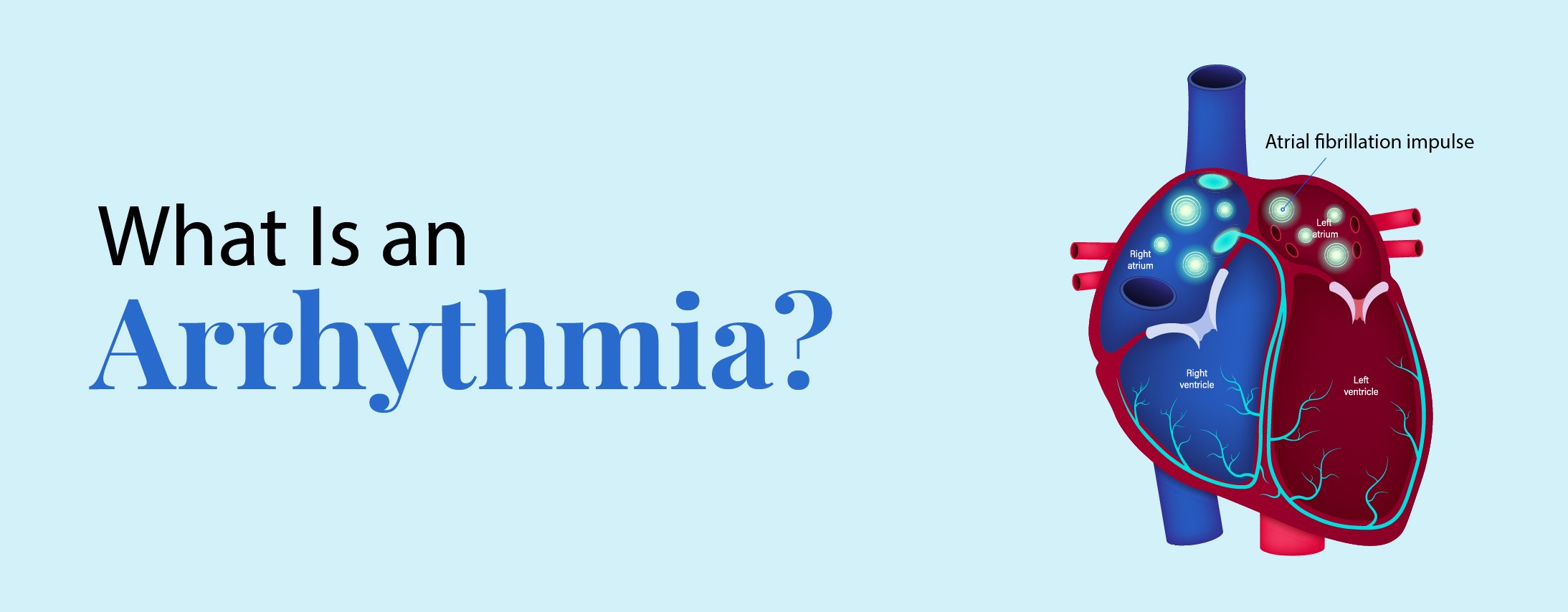
To pump blood throughout the body, the human heart beats in a rhythmic and synchronised fashion. Arrhythmia, on the other hand, is a disorder that results when this rhythm is disturbed. An arrhythmia is an irregular heartbeat, which can be characterised by an erratic pattern, too fast a heartbeat, or too slow a heartbeat. Some arrhythmias are benign, but if untreated, others can cause major health issues. People who are aware of arrhythmia’s causes, symptoms, and available treatments are better able to manage the illness and determine when medical intervention is necessary. When the electrical impulses that control the heartbeat become unpredictable, an arrhythmia occurs. In a healthy heart, these impulses originate from the sinoatrial (SA) node, the natural pacemaker. This electrical signal ensures that the heart contracts and relaxes at regular, periodic intervals. When this process is disrupted, the heart may beat irregularly, either too slowly (bradycardia) or too quickly (tachycardia).
Types
There are several types of arrhythmias, each with its own characteristics:
- Tachycardia – A heart condition in which the heartbeat exceeds the normal rate, usually over 100 beats per minute.
- Bradycardia – A slow heart rate, usually under 60 beats per minute.
- Atrial Fibrillation (AFib) – One of the most common arrhythmias, where the atria (upper chambers of the heart) quiver instead of contracting properly, leading to an irregular and often rapid heartbeat.
- Atrial Flutter – Similar to AFib but with a more organised rhythm.
- Premature Heartbeats – Early beats that originate in either the atria or ventricles, creating a sensation of a skipped or extra heartbeat.
- Ventricular Fibrillation – A life-threatening arrhythmia where the ventricles beat erratically, preventing the heart from pumping blood effectively.
- Heart Block – A heart condition where the signals from the atria to the ventricles are partially or completely blocked, resulting in a slow or irregular heartbeat.
Symptoms
Arrhythmias can present in different ways depending on the type and severity. Some individuals may not notice any symptoms, while others may experience noticeable discomfort. Common symptoms include:
- Palpitations – A feeling of the heart skipping beats, fluttering, or beating too hard.
- Dizziness or Lightheadedness – A feeling of imbalance or dizziness that may happen when the brain receives less blood flow.
- Shortness of Breath – Shortness of breath that can occur during exercise or even while resting.
- Chest Pain or Discomfort – A pressure or pain in the chest, which should always be evaluated by a medical professional.
- Fatigue – Persistent tiredness, which can result from the heart’s inability to pump blood efficiently.
- Fainting or Near-Fainting – A sudden loss of consciousness or feeling like you might pass out, which could be a sign of a severe arrhythmia.
If any of these symptoms occur frequently or suddenly worsen, medical attention should be sought immediately.
Causes and Risk Factors
Arrhythmias can be caused by various underlying health conditions, lifestyle factors, or genetic predispositions. Some of the most common causes include:
- Heart Disease – Heart conditions such as blocked arteries, hypertension, or weakened heart function can trigger irregular heart rhythms.
- Electrolyte Imbalances – Minerals like potassium, sodium, calcium, and magnesium play a role in heart function, and imbalances can trigger arrhythmias.
- Thyroid Disorders – An imbalance in thyroid activity, whether overactive or underactive, can affect the heart’s rhythm and rate.
- Excessive Alcohol or Caffeine Intake – High levels of alcohol or caffeine consumption can stimulate irregular heart rhythms.
- Smoking and Drug Use – Smoking and certain recreational substances can elevate the risk of developing arrhythmias.
- Severe Stress or Anxiety – Emotional and physical stress can lead to arrhythmias by affecting the body’s nervous system.
- Genetic Factors – Certain individuals may inherit a genetic tendency, increasing their likelihood of developing arrhythmias.
- Certain Medications – Certain prescription drugs and over-the-counter medications can alter the heart’s rhythm.
Diagnosis
Detecting an arrhythmia generally involves examining the patient’s medical history, doing a physical check-up, and running specific tests. Common tests include:
- Electrocardiogram (ECG or EKG) – A test that records the electrical activity of the heart to identify irregularities.
- Holter Monitor – A portable ECG device worn for 24-48 hours to capture irregular heartbeats over time.
- Event Monitor – A device used over a longer period to detect sporadic arrhythmias.
- Echocardiogram – A heart ultrasound used to evaluate how well the heart is structured and functions.
- Stress Test – A test that monitors the heart’s response to physical activity.
- Electrophysiology Study (EPS) – A specialised test that tracks the heart’s electrical signals to identify any irregularities.
Treatment and Management
The kind, severity, and underlying cause of an arrhythmia dictate how it should be treated. Some people may not require medical care, whilst others may. Typical approaches include:
Lifestyle Modifications
- Heart-Healthy Diet – Consuming a diet rich in fruits, vegetables, lean proteins, and whole grains can support overall heart health.
- Regular Exercise – Engaging in physical activity as recommended by a doctor can help maintain a healthy heart.
- Stress Reduction – Practising mindfulness, meditation, or yoga can help manage stress and reduce arrhythmia episodes.
- Avoiding Stimulants – Reducing alcohol, caffeine, and tobacco consumption can lower the risk of arrhythmias.
Medical Interventions
- Heart Rate Control – Managing the heart rate with prescribed treatments.
- Cardioversion – A treatment that returns the heart to its regular rhythm through medication or controlled electrical shocks.
- Ablation Therapy – A minimally invasive procedure that targets the problematic heart tissue causing the arrhythmia.
- Implantable Devices – Pacemakers or defibrillators can help regulate heart rhythms in severe cases.
Complications
If arrhythmia is not treated properly, it can lead to serious health problems. An irregular heartbeat may affect how well the heart pumps blood to the rest of the body. Over time, this can cause several complications.
One possible complication is heart failure. When the heart beats irregularly for a long time, it may weaken the heart muscle and reduce its ability to pump blood effectively.
Arrhythmia can also increase the risk of blood clots. These clots can move through the bloodstream and block blood flow to vital organs. If a clot reaches the brain, it can cause a stroke.
In severe cases, arrhythmia may lead to cardiac arrest, where the heart suddenly stops beating. It is a serious medical emergency that needs quick treatment.
Some people may also experience shortness of breath, fainting (syncope), or poor blood flow to certain parts of the body. Getting diagnosed early and receiving proper treatment can help prevent these complications.
Conclusion
While arrhythmias can be concerning, many people live normal and active lives with proper management. Routine medical check-ups, adherence to treatment plans, and maintaining a heart-healthy lifestyle can help control symptoms and prevent complications.
If you or a loved one experiences symptoms of arrhythmia, seeking medical guidance is crucial. Early detection and appropriate treatment can make a significant difference in maintaining heart health and overall well-being.