 Health
  Find a
  Book an
 Bradycardia: Symptoms, Causes and Treatment
October 8, 2025
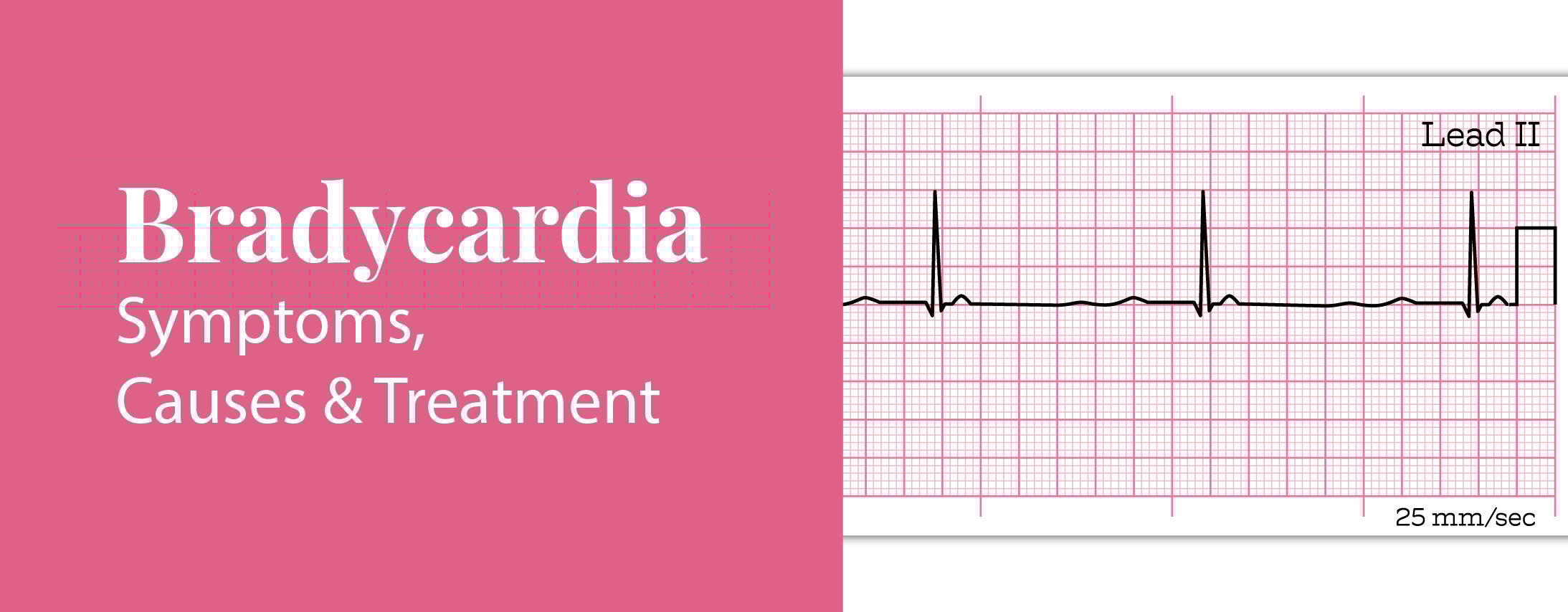
The average heart beats 60–100 times per minute. Bradycardia, in contrast, is a condition where the heart rate is slower than normal. A slow heart rate can occasionally indicate an underlying medical condition, although it is usually not a cause for concern.
Bradycardia occurs when the heart beats at a rate slower than 60 bpm. Sluggish heart rate can be normal and even a sign of good health for some people, such as athletes. Others, however, may have problems if their heart cannot pump enough blood to meet their body’s needs. This could cause fatigue, lightheadedness, and other health issues.
Symptoms
Not everyone with bradycardia experiences symptoms. However, when the heart beats too slowly, it can cause various problems, including:
- Dizziness or lightheadedness – This occurs because of decreased blood flow to the brain.
- Fatigue – A slower heart rate may not supply enough oxygen-rich blood to the body, making you feel tired.
- Shortness of breath – Especially during physical activity.
- Chest pain – This may happen when the heart is unable to pump blood effectively.
- Confusion or memory problems – The brain may not get enough oxygen, affecting concentration and memory.
- Fainting (syncope) or near fainting – A very slow heart rate can sometimes cause a person to lose consciousness.
- Weakness – Lack of proper blood circulation can make you feel weak.
If these symptoms happen often, you should see a doctor to find out the underlying cause.
Causes
Several factors can cause the heart to beat too slowly. Some of the common causes include:
1. Aging – As people age, alterations in the heart’s electrical system may cause the heart to beat more slowly.
2. Heart Conditions – Diseases affecting the heart, such as heart attack, heart failure, or infections, can interfere with the heart’s electrical signals, leading to bradycardia.
3. Problems with the Electrical System of the Heart – The heart contains a natural pacemaker, known as the sinoatrial node, which regulates the heart rate.
4. Low Thyroid Hormone (Hypothyroidism) – The thyroid gland helps control the heart rate. When it produces too little hormone, it can slow down the heart.
5. Electrolyte Imbalances – Minerals such as potassium, calcium, and sodium help regulate heart function. An imbalance in these electrolytes can affect the heart rate.
6. Certain Medical Conditions – Some conditions, such as sleep apnea or inflammatory disorders, can interfere with the heart’s electrical signals.
7. Heart Surgery or Injury – Surgery or damage to the heart tissue can disrupt the heart’s ability to regulate its beat.
8. Certain Lifestyle Factors – A poor diet, heavy drinking, and smoking may all play a role in developing heart conditions such as bradycardia.
Risk Factors
Bradycardia usually occurs when the heart becomes weak or damaged. This damage is often linked to heart disease. So, anything that harms the heart can also increase the risk of a slow heart rate.
Below are some common factors that may raise the risk:
1. Ageing: The risk increases as a person gets older.
2. High blood pressure: Uncontrolled blood pressure can strain the heart.
3. Smoking: Tobacco use damages blood vessels and the heart.
4. Excess alcohol intake: Drinking too much alcohol affects heart function.
5. Drug abuse: Illegal drugs can disturb the heart’s rhythm.
6. Mental stress: Long-term stress and anxiety may impact heart health.
Diagnosis
To diagnose bradycardia, a doctor may use several tests, including:
- Electrocardiogram (ECG or EKG) – This test records the heart’s electrical activity and helps assess its rate and rhythm.
- Holter Monitor – A wearable device that monitors and records heart activity for 24 hours or longer.
- Event Monitor – Like a Holter monitor, but intended for longer monitoring to catch occasional heart rate irregularities.
- Blood Tests – To evaluate for issues such as thyroid disorders or electrolyte imbalances.
- Echocardiogram – An ultrasound of the heart to look at its structure and function.
Treatment
The cause and severity of bradycardia dictate the course of treatment. Sometimes there is no need for treatment, especially if there are no symptoms associated with a slow heart rate. However, if bradycardia is interfering with your daily activities, doctors may suggest specialised methods, such as:
Lifestyle Changes
- Eating a heart-healthy diet.
- Staying physically active.
- Avoiding excessive alcohol and tobacco use.
- Managing stress effectively
Treating Underlying Conditions
If bradycardia is caused by a health condition like thyroid disease or an electrolyte imbalance, treating that condition can help restore a normal heart rate.
Medical Procedures
If bradycardia is due to an issue with the heart’s electrical system and is causing significant symptoms, doctors may recommend procedures to regulate the heart rate.
Can Bradycardia Be Prevented?
Although bradycardia cannot always be prevented, maintaining good heart health can help lower your risk. This includes:
- Regular exercise keeps the heart strong.
- Following a nutritious diet abundant in fruits, vegetables, and whole grains.
- Managing blood pressure and cholesterol levels.
- Avoiding smoking and excessive alcohol consumption.
- Getting regular health checkups to monitor heart health.
Conclusion
Bradycardia is a condition in which the heart beats slower than normal. Even if it isn’t normally hazardous, it can indicate a medical problem that needs to be handled. If you have symptoms such as tiredness, fainting, or dizziness, see your doctor. Many people with bradycardia can live busy, healthy lives if they are properly diagnosed and treated. A healthy lifestyle is the most effective way to maintain a strong and regular heart rate.