 Health
  Find a
  Book an
 Hydrosalpinx: Causes, Symptoms, Diagnosis, and Treatment
February 23, 2026

When the fallopian tubes get blocked or damaged, swollen, and filled with fluid, it is called Hydrosalpinx. Fallopian tubes are attached to the uterus on either side and are responsible for collecting the eggs from the ovaries every month, where the sperm meets the egg.
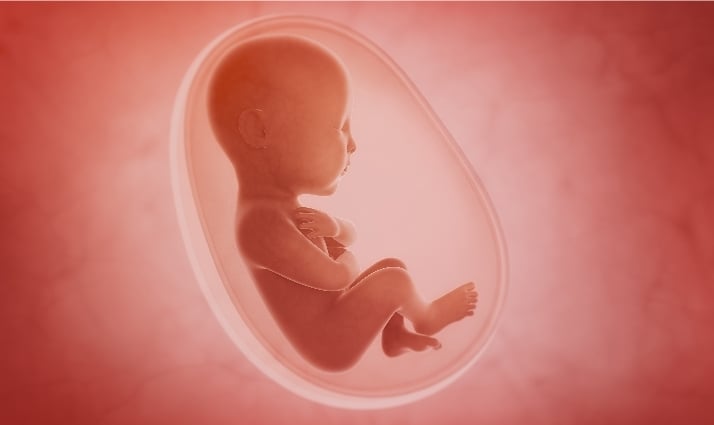
Fertilization occurs in these tubes, and the embryo travels through the fallopian tubes to enter the uterus, where it attaches to the wall and develops into a baby. This process is not possible when the tubes are blocked, and this poses a significant concern for couples who find it difficult to have a baby. This results in abnormal pregnancies with complications. For example, Ectopic pregnancy can be life-threatening.
How Common is Hydrosalpinx?
Tubal disease is responsible for one-third of all female factor infertility, and the prevalence of hydrosalpinx is as high as 30% in women with tubal pathology. Although in vitro fertilization (IVF) was first developed to treat tubal infertility, it was soon observed that patients with hydrosalpinx had a poor outcome after IVF treatment.
Causes
Hydrosalpinx usually occurs when a fallopian tube becomes blocked and fills with fluid. The most common reason is an infection that causes inflammation and damage to the tube. During healing, scar tissue can form and close the tube, trapping fluid inside.
Common causes include:
- Untreated infections: Sexually transmitted infections such as chlamydia and gonorrhea are the leading causes. These infections can lead to pelvic inflammatory disease (PID), which damages the fallopian tubes.
- Pelvic inflammatory disease (PID): Long-term inflammation in the reproductive organs can cause scarring and blockage.
- Endometriosis: When tissue like the uterine lining grows outside the uterus, it can block or harm the fallopian tubes.
- Previous pelvic or abdominal surgery: Surgeries involving the fallopian tubes, appendix, or nearby organs may lead to scar tissue formation.
- Past ectopic pregnancy: A pregnancy that develops in the fallopian tube can cause permanent damage.
- Genital tuberculosis or other infections: Certain infections can also affect the reproductive organs and lead to blockage.
- Adhesions or tumors: Internal scar tissue or growths may block the tubes and cause fluid buildup.
In most cases, infection-related damage is the main cause of hydrosalpinx. Early treatment of infections can help reduce the risk.
Symptoms
Usually, females with Hydrosalpinx go asymptomatic for a longer period till they start the process of fertility treatment or conception. Difficulty in fertilization or infertility is the first sign of Hydrosalpinx. Few Many females may sometimes present with pelvic pain and unusual vaginal discharge.
The following symptoms will occur after a period.
- Pain during ovulation and menstruation
- Bloating
- Changes in colour or smell of the vagina
- Low back pain
- Fever
- Nausea
- Painful Intercourse
The Impact of Hydrosalpinx on Fertility and IVF
Fallopian tubes play a crucial role in fertilization, and blocked tubes caused by hydrosalpinx can significantly lower the success rate of IVF treatments. To improve the chances of a successful outcome, hydrosalpinx should be addressed before starting IVF. This may involve blocking, clipping, or surgically removing the affected tubes, which can significantly enhance treatment effectiveness.
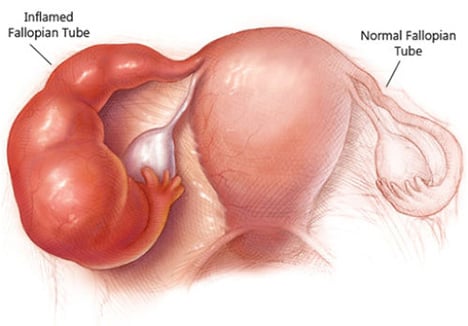
If not treated, hydrosalpinx can compromise IVF by allowing fluid to leak into the uterus during or after embryo transfer. This leakage can lead to complications, disrupt the uterine environment, and reduce the likelihood of a successful pregnancy.
Diagnosis
- Ultrasound, where the sac is viewed and identified as a sausage-shaped area.
- Hysterosalpingogram – This is a type of X-ray test in which the uterus and fallopian tubes are filled with dye and then viewed and examined under X-ray.
- Laparoscopy to view the fallopian tubes directly, mostly done as a confirmation test.
Treatment
If the Hydrosalpinx is small, the affected part can be repaired to allow normal pregnancy. In some cases, removal of the affected part is made mandatory under laparoscopy.
If you are experiencing persistent dull pelvic pain and facing difficulty conceiving, consult a fertility specialist without delay.
If you notice any unusual pain in your abdomen or pelvic region, it is important to contact Rela Hospital and schedule a consultation as soon as possible. Early diagnosis can help identify conditions such as hydrosalpinx in their initial stages, making treatment more effective and preserving your fertility. A fertility expert at Rela will guide you through the available treatment options and help you choose the one that best fits your needs.
Prevention
Hydrosalpinx cannot always be prevented, but certain steps can reduce the risk, especially by avoiding infections that damage the fallopian tubes.
- Practice safe sex: Using condoms and limiting multiple partners can lower the risk of sexually transmitted infections (STIs).
- Get regular health checkups: Early testing and treatment of infections can prevent complications.
- Maintain good hygiene: Proper personal hygiene helps reduce the chances of infection.
- Consider vaccinations: Vaccines, such as the HPV vaccine, may protect reproductive health.
- Follow a healthy lifestyle: Eating a balanced diet, exercising regularly, and avoiding smoking support overall reproductive health.
Taking preventive steps and treating infections early can help protect the fallopian tubes and reduce the risk of hydrosalpinx.