 Health
  Find a
  Book an
 Pelvic Pain: Causes, Symptoms, and Effective Treatments
September 22, 2025
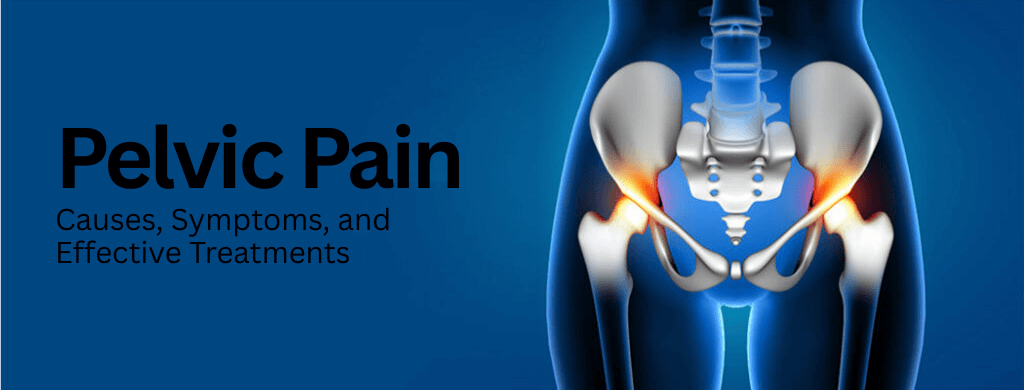
Pelvic pain commonly affects women, though its cause often remains unclear, and its intensity and nature may vary. In some cases, no visible illness is present. The pain may stem from psychological factors or originate from the genital organs or nearby pelvic structures. Even without a physical condition, psychological influences can intensify the pain or create the sensation of pain.
A common question that arises is: where is pelvic pain located? Pelvic pain refers to discomfort that comes from one or more organs in the pelvic region, which is the lowest part of the abdomen. This area includes organs such as the bowel, bladder, uterus, fallopian tubes, and ovaries. In some cases, pain may come from nearby structures like the pelvic bones, muscles, nerves, blood vessels, or joints. Because of this, pelvic pain can have many different causes.
Although often linked to the female reproductive system, pelvic pain can affect individuals of any gender. However, women and those assigned female at birth (AFAB) tend to experience it more frequently than men.
Types
There are two types of pelvic pain:
- Acute Pelvic Pain: If the pain is acute, it indicates that you are experiencing it for the first time.
- Chronic Pelvic Pain: When pain is considered chronic, it indicates that it has persisted for longer than six months.
Some of the conditions that can lead to chronic pelvic pain may include:
- Menstrual cramps
- Uterine fibroids
- Endometriosis
- Adhesions are forming between the internal organs within the pelvic cavity
- Endometrial polyps
- Cancers of the reproductive tract
Causes
Pelvic pain can occur from a wide range of conditions. Some common causes include:
- Appendicitis
- Bladder issues like urinary tract infections (UTIs)
- Sexually transmitted infections (STIs)
- Kidney problems, including infections or kidney stones
- Intestinal disorders like colitis or diverticulitis
- Nerve-related conditions, such as pudendal neuralgia
- Hernia
- Pelvic floor disorders, including muscle tightness or spasms
- Fractured pelvic bones
- Psychogenic pain, which may arise from stress or past psychological trauma
The following are additional causes of lower back and pelvic pain in women:
- Pregnancy
- Ectopic pregnancy
- Miscarriage
- Pelvic inflammatory disease (PID)
- Ovulation-related pain
- Menstrual cramps
- Uterine fibroids
- Cervical, uterine, or ovarian cancer
- Endometriosis
- Ovarian cysts and other ovarian issues
Each of these conditions can contribute to pelvic pain, depending on the individual’s health history and current symptoms.
Symptoms
There may be warning signs or additional symptoms in addition to pelvic pain. Among the most typical signs of pelvic pain are:
- Vaginal bleeding, spotting, or discharge
- Menstrual pain
- Hip pain
- Dysuria (painful urination)
- Constipation or diarrhoea
- Bloating or gas
- Fever or chills
- Rectal bleeding
- Pain during sex
- Pain in the groin area
Diagnosis
A healthcare provider will review your medical history and symptoms to determine the cause and site of your pelvic pain. A physical examination or other tests may also ascertain the cause of pelvic pain. Several possible diagnostic instruments are as follows:
- Blood and urine tests
- Conducting pregnancy tests for individuals of childbearing age
- Collecting vaginal or penile samples to test for sexually transmitted infections (STIs)
- Abdominal and pelvic X-rays to find where the pelvic pain is located
- MRI
- A bone density scan is a specialized X-ray used to assess bone strength
- Diagnostic laparoscopy is a procedure that lets doctors directly examine the pelvic and abdominal organs to identify the source of pain
- Hysteroscopy (procedure to examine the uterus) to find where the pelvic pain is located
- Stool test, which examines a sample of stool for hidden (microscopic) blood
- Lower endoscopy (a test in which a thin, illuminated tube is inserted to inspect the rectum and the colon, either partially or fully)
- An ultrasound (which produces images of internal organs using sound waves) is performed to determine the origin of pelvic pain.
- A CT scan of the abdomen and pelvis, utilizing X-rays and computer processing to produce detailed cross-section images, is conducted to identify the source of pelvic pain.
Treatment
The cause, severity, and frequency of pelvic pain are among the variables that affect how it is treated. Typical therapies for pelvic pain consist of:
- Medicine – Sometimes, pelvic pain is treated with medicines, including antibiotics, if required.
- Surgery – If the pelvic pain originates from an issue with one of the organs, medical treatments or surgery might be required.
- Physical Therapy – In certain situations, the doctor might suggest physiotherapy to relieve pelvic pain.
Reduce the Risk of Pelvic Pain
Pelvic pain cannot always be prevented. However, one can lower the risk by following these suggestions in their day-to-day activities:
- Regular exercise
- Eating more fiber
- Stretching muscles
- Visiting the doctor regularly for pelvic checkups.
Frequently Asked Questions
1. Is pelvic pain a sign of labor?
Yes, pelvic pain can signal the start of labor. Many describe it as a dull ache or cramping sensation, which often indicates that labor is beginning or near. This discomfort may result from contractions, the baby moving lower into the pelvis, or other physical changes as the body prepares for childbirth.
2. What happens during a pelvic exam?
During a pelvic exam, a surgeon checks a woman’s reproductive organs and the surrounding pelvic area. The exam generally consists of an external evaluation, a speculum inspection to view the cervix, and a bimanual assessment to examine the uterus and ovaries by touch.
3. What are the home remedies to cure pelvic pain?
To ease pelvic pain at home, try over-the-counter pain relievers, engage in gentle exercises, apply heat therapy, practice relaxation techniques, and consider dietary changes or supplements, but always consult a healthcare provider first.