 Health
  Find a
  Book an
 Hepatitis: Types, Causes, Symptoms, and Prevention
October 27, 2025
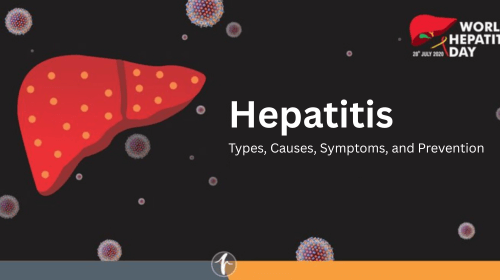
Hepatitis is a disease that affects the liver, causing inflammation. There are many types of hepatitis, which are caused by different reasons. Some are mild, and you may not know that you are infected. Your body will fight it off in a few weeks to months, but there are serious types that may lead to severe liver damage. A brief description of each is given below to help you identify them and take timely treatment.
Types
There are three major types of Hepatitis: Viral, Autoimmune, and Alcoholic
Viral Hepatitis
This type of hepatitis is a liver infection caused by one of five hepatitis viruses: Hepatitis A, B, C, D, and E.
Hepatitis A and E
- Mode of Transmission: Food and waterborne.
- Severity:
- Typically self-limiting.
- It can cause severe liver damage if the immune system is compromised.
Chronic Hepatitis (B, C, and D)
Hepatitis B and C
- Mode of Transmission:
- Through infected blood and blood products.
- Risk factors include:
- Sharing needles, razors, and toothbrushes.
- Unsterilized medical equipment.
- Unprotected sex.
- Mother-to-child transmission during childbirth.
- Outcomes:
- May clear from the body within a few months.
- Can become chronic infections if they persist for more than 6 months.
Hepatitis D
- Dependency:
- Occurs only in people who are infected with Hepatitis B, either currently or in the past.
- Severity:
- Considered very serious due to its potential to accelerate liver damage.
- Complications:
- Cirrhosis: Progressive scarring of the liver due to continuous damage.
- Liver Cancer: Increased risk with long-term chronic infection.
Symptoms of Viral Hepatitis
- Fatigue
- Nausea/vomiting
- Pale stool
- Dark urine
- Pain in the abdomen
- Jaundice – yellow skin and eyes
- Loss of appetite
- Fever
- Itching
Prevention of Viral Hepatitis
- Avoid food and water prepared in unhygienic conditions
- Do not share needles, razors, etc.
- Be careful while handling blood, blood products, needles, etc.
- Protect yourself by taking vaccines for Hepatitis A and B. Vaccination against hepatitis B will also protect against Hepatitis D.
Autoimmune Hepatitis
Liver inflammation occurs when your body’s immune system attacks your liver cells. This is a chronic condition with no known cure. It has to be monitored for life, and with treatment, you can manage symptoms and prevent liver damage. This type of hepatitis can be kept under control with regular monitoring and lifelong treatment if diagnosed in the early stages. Usually, females are affected more than males. In most cases, there are no symptoms.
Symptoms of Autoimmune Hepatitis, When Present
- Joint/muscle pain
- Loss of appetite
- Nausea/vomiting
- Abdominal pain
- Dark urine
- Jaundice – Yellow skin and eyes
- Abnormal menstrual cycles
Prevention of Autoimmune Hepatitis
The cause of Autoimmune Hepatitis is not known. Genes may be responsible, as in many cases, it can be inherited from your parents. Certain medicines, stress, or infections can also trigger your immune system to attack your liver. There is no known way to prevent it, but with proper medical care and healthy lifestyle changes, it can be managed effectively for a normal life.
Diagnosis
To diagnose hepatitis, doctors start by understanding your symptoms and medical history. They may ask about your lifestyle, any medications you take, and possible exposure to infection or toxins.
1. Physical Examination
Your doctor will gently press your abdomen to check for pain, swelling, or tenderness. They may also look for yellowing of the skin or eyes, which is a sign of liver problems.
2. Blood Tests
Blood tests are the most common way to detect hepatitis.
- Liver Function Tests: These tests measure liver enzyme levels to see how well your liver is working. High enzyme levels may show liver damage or inflammation.
- Viral and Autoimmune Tests: These help identify the type of hepatitis virus or detect antibodies that your body makes to fight infection. They can also confirm autoimmune hepatitis.
3. Imaging Tests
Ultrasound or special scans such as elastography help doctors see the liver’s size, texture, and any signs of damage, scarring, or tumors.
4. Liver Biopsy
In some cases, doctors take a small tissue sample from the liver using a thin needle. This test shows how much damage or inflammation has occurred and helps guide the right treatment.
Treatment
The treatment for hepatitis depends on its type and whether it is short-term (acute) or long-term (chronic). The primary aim of treatment is to control liver inflammation, ease symptoms, and protect the liver from further damage.
1. Hepatitis A and E
These types usually get better on their own. Doctors may suggest plenty of rest, healthy meals, and drinking enough fluids. Avoid alcohol and maintain good hygiene until recovery.
2. Hepatitis B and D
Chronic Hepatitis B and D may need antiviral medicines to control the infection and prevent liver damage. You may need lifelong treatment and regular check-ups to monitor liver health. In advanced or critical cases, doctors may recommend a liver transplant.
3. Hepatitis C
Doctors prescribe medicines known as direct-acting antivirals (DAAs), which can successfully cure most Hepatitis C infections. Early treatment helps prevent serious liver damage.
4. Autoimmune Hepatitis
This type is treated with medicines that lower immune system activity. Steroids such as prednisone and other immune-suppressing drugs help reduce inflammation and protect liver cells.
5. Lifestyle Care
Regardless of the type, it’s important to:
- Avoid alcohol and smoking.
- Maintain a healthy, well-balanced diet that includes plenty of fruits and vegetables.
- Get enough rest.
- Follow your doctor’s advice and take medicines regularly.
With early diagnosis and proper care, most forms of hepatitis can be managed effectively, and in some cases, completely cured.
Expert Care is the Key to Fighting Hepatitis
Hepatitis, if left untreated, will cause liver cell death and scarring, leading to cirrhosis or liver cancer. Get tested if you have any symptoms to treat hepatitis and prevent liver damage. Contact Dr. Rela Hospital, one of the world’s premier liver care and liver transplant centers. The best liver team, world-class liver diagnosis and treatment, and excellent all-around care for all liver diseases are available under one roof.