 Health
  Find a
  Book an
 Fatty Liver Disease (Hepatic Steatosis): Causes, Symptoms, and Treatment
September 25, 2025
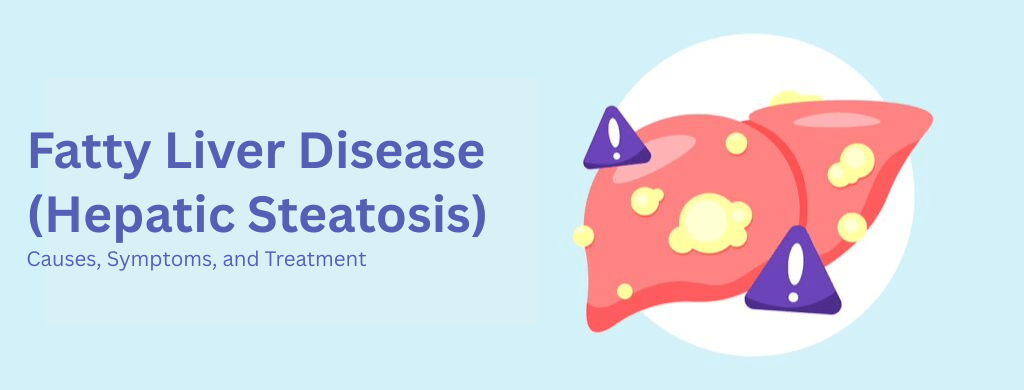
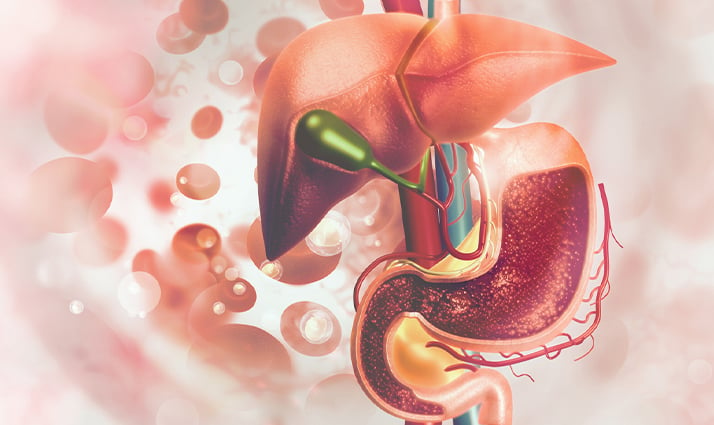
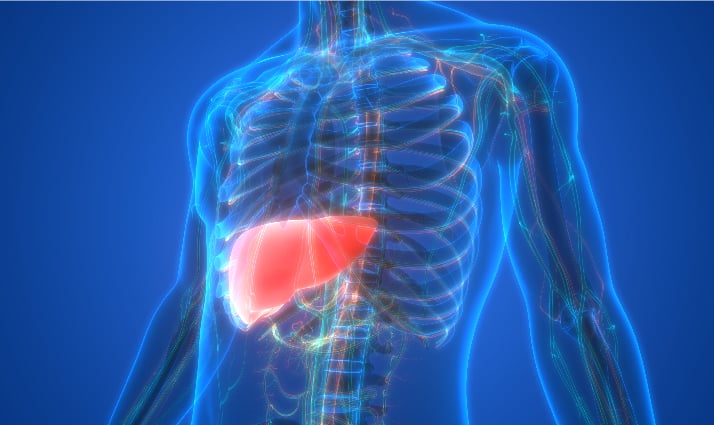
Fatty liver disease, or hepatic steatosis, arises when the liver retains more fat than it should. When fat accounts for more than 5% of the liver’s weight, it can impair normal liver function. The condition may be benign in some people, but in others, it progresses to liver inflammation, scarring, cirrhosis, or even liver failure.
The liver is vital for metabolism, producing bile that aids in fat digestion and the elimination of waste. When excess fat accumulates, this function is disrupted, leading to health complications.
Types
There are two major categories of fatty liver disease:
- Non-Alcoholic Fatty Liver Disease (NAFLD / MASLD)
- Now termed Metabolic Dysfunction-Associated Steatotic Liver Disease (MASLD), previously NAFLD.
- Develops in people who consume little or no alcohol.
- Includes:
- Simple fatty liver: Fat builds up without significant inflammation or damage. Usually not serious.
- Non-alcoholic steatohepatitis (NASH / MASH): Fat buildup with inflammation and liver cell damage. This can progress to fibrosis, cirrhosis, or liver cancer.
- Alcohol-Related Liver Disease (ALD)
- Caused by heavy alcohol consumption.
- Alcohol disrupts fat metabolism, causing fat buildup, inflammation, and scarring.
- Early stage: Alcoholic fatty liver – can progress to alcoholic hepatitis, cirrhosis, and eventually liver failure.
Causes
The exact cause is not always clear, but multiple factors play a role:
1. Metabolic Dysfunction-Related Causes
- Obesity
- Insulin resistance and type 2 diabetes
- High LDL (“bad” cholesterol) and high triglycerides
- A diet high in saturated fats and sugars
- Metabolic Syndrome: A cluster of obesity, high blood sugar, high blood pressure, and abnormal cholesterol levels. Increases risk of MASLD and MASH.
2. Alcohol-Related Causes
Alcohol-related liver Disease (ALD) occurs when frequent alcohol use damages liver cells, causing fat buildup. Alcohol disrupts fat metabolism, leading to steatosis, inflammation, and fibrosis. Over time, ALD can progress to alcoholic hepatitis, cirrhosis, or liver failure.
Metabolic-Alcoholic Liver Disease (MetALD) occurs when a person has both metabolic risk factors and drinks excessive alcohol. The degree of fat accumulation depends on both factors, making the disease more severe.
3. Medication-Induced Hepatic Steatosis
Certain medications interfere with fat metabolism and liver function.
4. Genetic and Hereditary Factors
- PNPLA3 mutation – Increases liver fat storage.
- TM6SF2 mutation – Affects fat metabolism.
- A family history of fatty liver disease increases risk.
5. Other Medical Conditions
- Hypothyroidism (underactive thyroid)
- Polycystic Ovary Syndrome (PCOS)
- Sleep apnea
- Rapid weight loss and malnutrition
- Toxins and environmental factors
- Cryptogenic Steatotic Liver Disease (Unknown Causes): Sometimes no clear cause is identified; may be linked to undetected metabolic or genetic factors.
Symptoms Include:
- Fatigue and Weakness – A sluggish liver affects energy production, leading to persistent tiredness.
- Unexplained Weight Loss – In later stages, liver dysfunction can lead to unintended weight loss.
- Abdominal Discomfort – You may feel a dull pain or discomfort in the upper right abdomen.
- Loss of Appetite and Nausea – Digestive issues may occur due to liver dysfunction.
- Swelling (Edema) and Bloating (Ascites) – Fluid buildup in the legs or abdomen can occur in advanced cases.
- Jaundice (Yellowing of Skin and Eyes) – This indicates severe liver damage and impaired bile processing.
- Dark Urine and Pale Stools – Signs of liver distress affecting bile production.
- Itchy Skin – Toxin buildup can cause persistent skin irritation.
- Early-stage hepatic steatosis may not cause symptoms, but if left untreated, it can progress to metabolic-associated steatohepatitis (MASH) or cirrhosis
Diagnosis
Doctors use several tests to diagnose fatty liver disease:
- Blood tests: Liver enzymes (ALT, AST) to check for inflammation.
- Ultrasound or MRI: Detects fat accumulation.
- FibroScan: Measures liver stiffness and fat levels.
- Liver biopsy (in severe cases): Checks for scarring or inflammation.
Treatment
At present, no medications are officially approved for treating NAFLD/MASLD; management primarily involves lifestyle modifications and addressing underlying conditions.
Lifestyle & Preventive Measures
- Weight loss: Gradual reduction (7–10% of body weight improves liver health).
- Healthy diet:
- Include plenty of fruits, vegetables, and whole grains in your diet.
- Include omega-3 fatty acids (fish, flax seeds, walnuts, plant oils).
- Avoid sugary foods, baked/fried foods, and excess salt.
- Regular exercise: Improves insulin sensitivity and reduces liver fat.
- Limit alcohol intake: Stop alcohol completely if diagnosed with ALD.
- Control blood sugar and cholesterol: Prevents progression of disease.
Advanced Treatments (for progression to MASH or cirrhosis)
- Medication (in clinical trials): New drugs are being studied to reverse fatty liver.
- Liver transplantation: For individuals experiencing advanced liver failure.
- Alcohol rehabilitation support: For ALD patients struggling with alcohol cessation.
Complications
If untreated, fatty liver can progress to:
- Fibrosis and cirrhosis (permanent scarring of the liver)
- Liver failure
- Liver cancer (Hepatocellular carcinoma)
Frequently Asked Questions
1. Can fatty liver disease be reversed?
Yes. In the early stages, lifestyle changes can completely reverse fatty liver disease.
2. Is alcohol always the main cause?
No. Fatty liver can be caused by alcohol (ALD) or metabolic dysfunction (MASLD/NAFLD), even in people who don’t drink alcohol.
3. How dangerous is rapid weight loss for fatty liver?
Losing weight too quickly may worsen NAFLD/MASLD. A gradual and steady approach is best.
4. What diet should I follow for fatty liver?
Adopt a balanced, plant-rich diet with omega-3 fatty acids, while avoiding sugary and fried foods.