 Health
  Find a
  Book an
 Dengue Fever: Causes, Symptoms, Treatment & Prevention
July 21, 2025
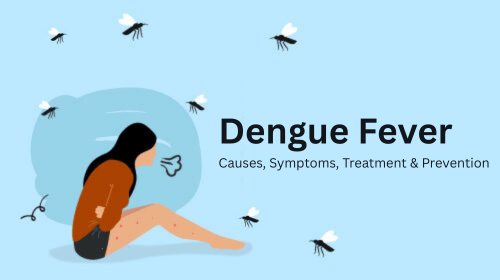
Dengue fever is a mosquito-borne disease commonly found in tropical and subtropical regions. Mild dengue usually causes a high fever along with symptoms similar to the flu. In its severe form, dengue, referred to as dengue hemorrhagic fever, can result in internal bleeding, a rapid drop in blood pressure, and potentially fatal outcomes. Dengue is triggered by one of four closely related viruses: DENV-1, DENV-2, DENV-3, or DENV-4.
Causes
The primary cause of dengue fever is four types of dengue viruses. Dengue fever isn’t transmitted through direct contact with an infected person; it spreads when a mosquito carrying the virus bites someone. A mosquito becomes a carrier of the dengue virus after biting an infected person. Then, when the mosquito bites another person, the virus enters the bloodstream and causes an infection.
Symptoms
Dengue symptoms are usually mild in young children and first-time infections, but older children, adults, and previously infected individuals may experience more severe symptoms.
Symptoms of dengue usually develop suddenly, about 5 to 8 days after one is infected, and the common symptoms include:
- A high temperature or feeling hot or shivery
- Bleeding under the skin, which might look like bruising
- A severe headache
- Pain behind the eyes
- Muscle and joint pain
- Bleeding from your gums or nose
- Feeling or being sick
- Difficult or rapid breathing
- A widespread red rash
- Abdomen pain
- Loss of appetite
- Persistent vomiting.
- Blood in your urine, stools, or vomit
- Fatigue
Severe Dengue
A patient enters the critical phase, usually about 3-7 days after illness onset. Within 24 to 48 hours of the critical phase, some patients may experience a sudden worsening of symptoms. At this time, the fever is dropping in the patient, warning signs associated with severe dengue.
Doctors should watch for the following warning signs:
- Rapid breathing
- Fatigue
- Restlessness
- Bleeding gums or nose
- Severe abdominal pain
- Liver enlargement
- Blood in vomit or stool
- Persistent vomiting
Transmission
This section explores the different modes through which dengue fever is transmitted, including human-to-mosquito transmission, maternal transmission, and other rare transmission routes.
Human-to-Mosquito Transmission
Mosquitoes can get infected by biting individuals who have dengue viremia. This includes individuals with asymptomatic infections, those in the pre-symptomatic stage, and even people who show no visible signs of illness.
Human-to-mosquito transmission can happen from up to two days before symptoms appear to two days after the fever subsides.
The likelihood of mosquito infection increases when a patient has high viremia and fever. In contrast, elevated levels of DENV-specific antibodies lower this risk. While most individuals remain viremic for 4 to 5 days, it can sometimes last up to 12 days.
Maternal Transmission
There is evidence suggesting that maternal transmission from a pregnant mother to her baby is possible. Although vertical transmission is rare, the risk appears to depend on the timing of the dengue infection during pregnancy. If a mother contracts DENV while pregnant, the baby may be at risk for preterm birth, low birth weight, and fetal distress.
Other Transmission Modes
Rare transmission cases via blood products, organ donation, and transfusions have been recorded. Similarly, the virus’s transovarial transmission within mosquitoes has also been recorded.
Risk Factors
Dengue is more common in regions such as Africa, Central and South America, parts of Asia, and the Pacific Islands. People who live in or travel to these areas have a higher risk of infection.
The risk of severe illness is higher in young children, adults over 65 years of age, and people who have previously had dengue.
Three Stages of Dengue Fever
1. Febrile Phase:
The febrile phase marks the initial onset of dengue fever, with symptoms that usually begin suddenly. This phase typically lasts between 2 to 7 days, with individuals experiencing a high-grade fever, often around 40°C. Alongside the fever, common symptoms include a severe headache, eye pain (especially behind the eyes), joint and muscle aches, and nausea. Some individuals may notice a skin rash, as well as mild hemorrhagic manifestations such as petechiae (small red spots), gum bleeding, or nosebleeds. A few patients may also experience discomfort in the abdomen or tenderness in the upper abdominal region.
2. Critical Phase:
The critical phase occurs between the third and seventh day of infection, typically following the febrile phase. During this time, the fever begins to subside, but the risk of complications increases. The critical phase is marked by the body’s response to plasma leakage, which can lead to severe dehydration, shock, or organ dysfunction. Symptoms may include persistent vomiting, extreme fatigue, significant abdominal pain, and changes in blood pressure. Some patients may develop severe bleeding, with symptoms like bloody stools, vomit, or nosebleeds. This phase requires close medical monitoring, as it may rapidly progress to life-threatening conditions, including shock and disseminated intravascular coagulation (DIC).
3. Recovery Phase:
The final stage of dengue fever is the recovery phase. This phase is characterized by the gradual stabilization of vital signs and the reabsorption of the extravascular fluid that accumulated during the critical phase. As the body recovers, the fever subsides completely, and blood pressure, pulse rate, and urine output begin to normalize. Patients often show signs of improvement, such as increased appetite and a reduction in abdominal swelling. However, some may experience minor symptoms like skin rashes or temporary fatigue as the body heals completely. The recovery phase typically lasts a few days to a week, with patients slowly regaining their strength.
Treatment
Dengue has no specific antiviral treatment. But you can follow the below
- See a doctor
- Plenty of water intake
- Take rest
- Use pain relievers
Prevention
The most effective way to prevent dengue is by avoiding bites from infected mosquitoes, particularly if you live in or are visiting tropical regions. Prevention includes protecting yourself from bites and reducing mosquito populations. The FDA approved Dengvaxia in 2019 for use in adolescents aged 9 to 16 with a history of prior dengue infection. However, there is currently no vaccine available for preventing dengue in the general population.
To Protect Yourself:
- Use mosquito repellents, even indoors.
- Wear long sleeves and tuck your pants into your socks when outdoors.
- When indoors, use air conditioning if available.
- Ensure windows and doors have intact screens; use mosquito nets if there’s no AC or screening.
- If you notice dengue symptoms, consult your doctor promptly.
Frequently Asked Questions
1. How long does dengue fever last?
Dengue causes flu-like symptoms that typically last 2–7 days and usually begin 4–10 days after being bitten by an infected mosquito.