 Health
  Find a
  Book an
 IVF (In vitro fertilization): Process, Benefits, and Risks
April 21, 2026
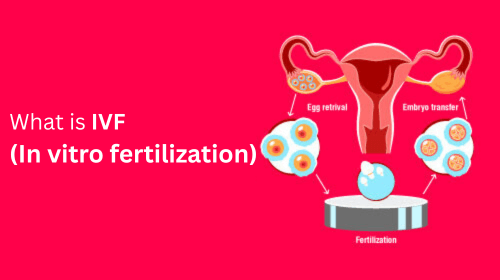
In vitro fertilization (IVF) is an assisted reproductive method in which an egg and sperm are joined in a laboratory to achieve fertilization outside the body. IVF involves carefully extracting eggs from the ovaries and joining them with sperm in a controlled lab environment to initiate fertilization. A few days after fertilization, the formed embryo is placed into the uterus. Pregnancy starts when the embryo attaches successfully to the lining of the uterus.
In vitro fertilization (IVF) is the most widely used and effective assisted reproductive technology (ART) for helping individuals achieve pregnancy. When other methods of conception have been unsuccessful, IVF is used.
Why This Procedure Is Performed and Who Can Consider It
IVF is performed to help people who are unable to conceive naturally. It is often recommended when other fertility treatments do not give successful results. This procedure can also help people with certain medical conditions or those who need assisted reproductive options to start a family.
People who may consider IVF include:
- Women with blocked or damaged fallopian tubes
- Women with irregular ovulation, PCOS, or endometriosis
- Women with uterine fibroids or age-related fertility decline
- Men who have a low sperm count or weak sperm movement.
- Couples with unexplained infertility
- Couples who may pass genetic conditions to their baby
- People who want to preserve fertility before cancer treatment
- Same-sex couples planning a family
- Single individuals who wish to have a child
- People who need donor eggs, donor sperm, or a surrogate
Preparatory Steps
Before beginning IVF therapy, you must undergo fertility testing and a comprehensive physical examination. Additionally, your partner will undergo testing and examination. You’ll go through the following preparation steps, for example:
- IVF consultation (meet with Doctors to discuss the details of the IVF process).
- Mammography, updated Pap test, and a uterine exam (if over 40).
- A semen examination.
- Testing for infectious diseases and sexually transmitted infections (STIs).
- Tests for blood and urine, as well as an ovarian reserve.
- Directions for administering fertility drugs.
- Screening for genetic carriers.
- Complete permission forms.
- Assessment of the uterine cavity through saline infusion sonography (SIS) or hysteroscopy.
- You should take folic acid supplements at least three months before embryo transfer, as directed by your doctor.
Process Explained
IVF, however, often entails these actions:
Superovulation
Controlled ovarian hyperstimulation is another name for superovulation. Both luteinising hormone and follicle-stimulating hormone are included in fertility drugs. The ovaries create more eggs than normal as a result of these hormones. In addition, transvaginal ultrasound scans can track the development of the ovaries’ growth. An alternative is to use frozen or donated eggs.
Retrieving the Eggs Back
To gather eggs, doctors use a minor surgical technique called “follicular aspiration” or “egg retrieval.” First, a tiny needle is placed into an ovary through the vagina with ultrasound guidance. Then, the follicular fluids and the eggs are drawn out using a suction device connected to the needle. Doctors do this procedure for each ovary.
Insemination, Fertilization, and Embryo Culture
The sperm and eggs that were collected were maintained in an environment-controlled room. Therefore, the sperm should penetrate the egg after a short time. Injection of sperm into the egg directly sometimes occurs. A sperm injection into the intracytoplasmic is happening here (ICSI). In addition, it’s possible to use frozen sperm obtained during a testicular biopsy.
The divided fertilized egg develops into an embryo. Preimplantation genetic testing is available at fertility clinics once the embryos are in the blastocyst stage (PGT). First, an embryo is checked for chromosomal flaws or aneuploidies. Next, one embryo is used in the transfer. Finally, the uterine lining is ready for implantation using hormones and drugs.
Embryo Transfer
The womb occasionally receives more than one embryo. You must talk to your doctor about how many embryos will be transplanted. The doctor will often transfer one embryo. Multiple risk concerns must be considered when deciding whether to transfer more than one embryo.
The embryo is transferred using a thin tube or catheter, beginning 3–5 days after conception. Then, through the vagina, it enters the uterus. An embryo’s development continues after implantation, the process by which an embryo adheres to the uterine lining.
How Long Does it Take to Complete an IVF Cycle?
IVF is a multi-step, challenging process. Four to six weeks is how long you should anticipate the procedure to take. This encompasses the time before egg retrieval, during which a person takes fertility medicine until a pregnancy test is conducted.
Results
Following IVF treatment, doctors often recommend a blood test within 10 to 14 days after embryo placement to find out if pregnancy has occurred. If the result is positive, the doctor will guide you through the next steps of pregnancy care. If the result is negative, the doctor may discuss future treatment options or another IVF cycle.
Some women may notice mild symptoms after the procedure. These can include light cramping, bloating, breast tenderness, spotting, or constipation. These symptoms are often temporary.
The success of IVF can differ for each person. The results depend on several factors, such as age, egg quality, sperm health, embryo quality, and the cause of infertility. Younger women often have higher success rates compared to older women.
Lifestyle habits can also affect results. Smoking, alcohol use, obesity, and high stress may lower the chances of pregnancy. Following the doctor’s advice and maintaining a healthy lifestyle may improve outcomes.
Every IVF journey is different. A fertility specialist can explain your personal chances of success based on your health condition and treatment plan.
Side Effects
During IVF, many people will have minor or no side effects. However, some individuals could have negative consequences.
- Drowsiness
- Irritation
- Nausea
- Headaches
The following negative effects might also happen to a tiny number of people:
- Breathing difficulties
- Dehydration
- Vomiting
- Stomach discomfort that requires hospitalization
How Effective are IVF Injections?
During your IVF cycle, you’ll be given injectable hormone medications to stimulate the simultaneous and full development of multiple eggs. Your Doctor decides the kind of medication, how frequently you should take it, and the required amounts. This is based on factors such as your age, medical history, hormone levels, and, if applicable, your response to previous IVF treatments. You should anticipate injecting fertility medication for eight to fourteen days.
Potential Risks
IVF treatment may be associated with the following risks:
- Premature labor is more likely in pregnancies that result in multiple deliveries.
- Premature birth: There is a slightly higher chance that your baby may be born prematurely or have a lower-than-average birth weight.
- Miscarriage: The miscarriage rate for IVF pregnancies is comparable to that of naturally conceived pregnancies.
- A disorder known as ectopic pregnancy occurs when a fertilized egg implants outside your uterus.
- Obstacles encountered when retrieving eggs: Egg retrieval carries potential risks such as bleeding, infection, and possible damage to the bladder, intestines, or reproductive organs.
- Ovarian hyperstimulation syndrome (OHSS) is an uncommon illness that causes shortness of breath, difficulty breathing, bloating, stomach discomfort, nausea, vomiting, diarrhoea, and rapid weight gain.
Frequently Asked Questions
1. How many eggs are good for IVF?
Women under the age of 38 who participate in the IVF programs have acceptable live birth rates even with only 3 to 6 eggs, perform better with more than 6 eggs, and perform best with more than 10 eggs. Reduced live birth rates and low egg production are observed in women aged 38–40 and 41–42. When very large egg numbers are acquired, success percentages are significantly higher.
2. What is the difference between IVF (In Vitro Fertilization) and IUI (Intrauterine Insemination)?
In intrauterine insemination (IUI), fertilization happens inside the body, unlike in vitro fertilization (IVF). During an IUI procedure, a sperm sample is collected and processed to retain only high-quality sperm. The sample is then introduced into the uterus through a thin catheter during ovulation, enhancing the likelihood of fertilization.
In contrast, IVF involves fertilizing the egg and sperm outside the body in a laboratory. The formed embryo is subsequently placed into the uterus.
IUI is a less invasive and more affordable procedure compared to IVF, but has a lower success rate per cycle.
3. When can you attempt another IVF cycle after an unsuccessful one?
Many fertility clinics recommend waiting at least one complete menstrual cycle before beginning another round of IVF. Since menstrual cycle lengths vary, you can typically begin another cycle about four to six weeks after a negative pregnancy test. Taking a short break between cycles is often recommended for physical recovery, emotional well-being, and financial planning.
4. Is it possible to choose the sex of your baby during IVF?
Yes, sex selection is possible during IVF. Before embryo implantation, embryonic testing can identify male or female chromosomes. Couples can choose to transfer embryos of the desired sex while discarding others. However, this practice is illegal in many countries outside the U.S. and is not offered by all fertility clinics within the U.S.
5. How Prevalent is IVF?
5 percent of infertile couples will attempt IVF. More than 8 million children have been born globally through IVF since it was first introduced in 1978. It ranks as one of the most effective assisted reproductive technologies (ART) available today.