 Health
  Find a
  Book an
 Cryotherapy: A Cold Therapy Technique for Healing and Recovery
April 20, 2026
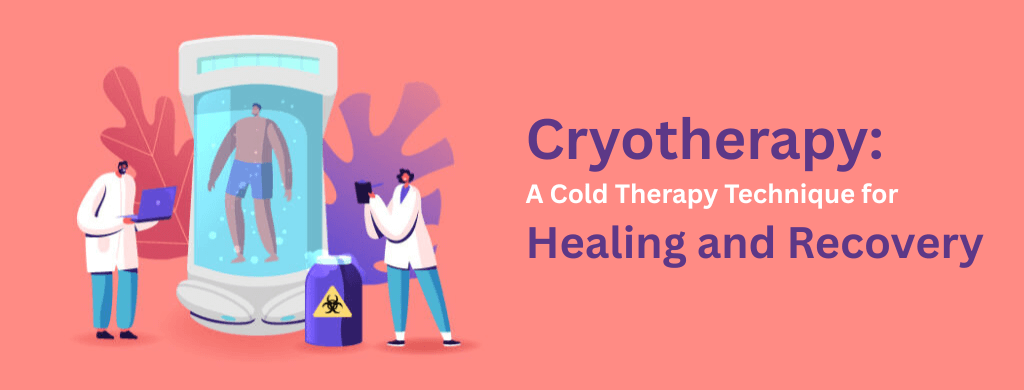
Cryotherapy, or cold therapy, is a treatment that exposes the body to very low temperatures for a brief duration. This can be done in several ways, such as whole-body cryotherapy, where a person stands in a chamber filled with liquid nitrogen, or local cryotherapy, which targets a specific area using cold air or a cold compress.
In cryotherapy, the skin’s surface temperature drops, causing blood vessels to first constrict and then expand, which boosts the flow of oxygen-rich blood to body tissues.
Why do Doctors Use Cryotherapy?
Doctors utilise cryotherapy as a minimally invasive method to eliminate damaged or diseased tissue resulting from various medical conditions. Cryotherapy is usually performed without open surgery and has a fast recovery time with minimal pain. Doctors may recommend cryotherapy to treat bone, cervical, liver, and prostate cancers, precancerous cells in the cervix or skin, early skin cancers such as squamous cell and basal cell carcinoma, retinoblastoma, and skin problems like warts, skin tags, and dark spots.
Types
Cryotherapy comes in various forms, each targeting different health concerns. From localised cold treatments to full-body exposure, here are the main types of cryotherapy:
1. Whole-Body Cryotherapy (WBC)
Whole-body cryotherapy involves briefly exposing the entire body to extremely low temperatures, usually between -200°F and -300°F, for 2 to 4 minutes. This is done in a specialised chamber where liquid nitrogen or refrigerated cold air rapidly cools the environment. The therapy is commonly used to reduce muscle inflammation, improve circulation, and enhance overall recovery. Athletes and fitness enthusiasts often turn to WBC for post-workout recovery and performance enhancement.
2. Partial-Body Cryotherapy (PBC)
Similar to WBC, partial-body cryotherapy also uses a cryogenic chamber, but only the torso and lower body are exposed to the extreme cold. The head remains outside the chamber, making it a preferred choice for those who may be sensitive to full-body cold exposure. This method provides similar benefits to WBC, such as reducing muscle soreness and promoting relaxation.
3. Cold-Water Immersion (CWI)
Cold-water immersion, also known as ice bathing or cold plunging, involves submerging the body (except the head) in ice-cold water, typically below 59°F. This method has been used for centuries to alleviate muscle soreness, reduce swelling, and enhance post-exercise recovery. It is popular among athletes as a natural way to speed up healing and relieve fatigue.
4. Ice Therapy (Localised Cryotherapy)
Localised cryotherapy focuses on a specific body area using ice packs, cold compresses, or gel-based cooling devices. It is commonly used to reduce pain and swelling from injuries, post-surgical recovery, and conditions like migraines. This traditional method is widely recommended for minor injuries, as it helps constrict blood vessels and reduce inflammation.
5. Cryosurgery (Cryoablation)
Cryosurgery is a medical technique that freezes and eliminates abnormal or diseased tissue using liquid nitrogen or argon gas. It is widely used in dermatology for removing warts, skin tags, and precancerous lesions. In cancer care, cryosurgery may be used to treat some cancers, including prostate and cervical cancer, by freezing and destroying tumour cells.
Each type of cryotherapy offers unique benefits depending on the health condition being treated. Whether it’s for athletic recovery, pain management, or medical treatments, cryotherapy continues to gain popularity as an effective wellness solution.
Procedure
The procedure for cryotherapy depends on the area being treated. It may be done on the skin or inside the body.
Before the Procedure
The doctor may ask about your medical history and current symptoms. You may be advised to avoid certain medicines before treatment. For internal cryotherapy, fasting may be needed for a few hours.
During the Procedure
For external cryotherapy, the doctor applies extreme cold to the skin using liquid nitrogen, a spray device, or a cotton swab. This freezes the abnormal tissue.
For internal cryotherapy, the doctor inserts a thin instrument called a cryoprobe through a small cut in the skin. It is guided to the treatment area to freeze the damaged tissue.
The procedure may be done with local or general anaesthesia, depending on the area treated.
After the Procedure
The treated skin may become red, swollen, or form a blister. A scab may develop and heal over time.
After internal cryotherapy, mild pain or soreness may occur for a few days. Most people can return to normal activities soon, based on the doctor’s advice.
Health Benefits of Cryotherapy
Cryotherapy offers various health benefits by exposing the body to extreme cold, which triggers physiological responses that aid in pain relief, recovery, and overall well-being.
Reduces Inflammation
Inflammation is the body’s normal response to injury or infection, but long-term inflammation can increase the risk of conditions such as arthritis, diabetes, and heart disease. Cryotherapy may help reduce inflammation by lowering pro-inflammatory cytokines and increasing anti-inflammatory cytokines.
Relieves Pain
Cold exposure may strengthen immune function by stimulating the body to produce more white blood cells, helping protect against infections.
Boosts the Immune System
Cold temperatures may trigger the body to make more white blood cells that help fight infections and disease, which can support immunity and lower the chance of getting sick.
Enhances Athletic Performance
Cryotherapy is known to enhance athletic performance by easing muscle soreness and speeding up recovery. Many athletes who use it post-workout report reduced fatigue and increased energy levels.
Improves Mental Health
Cryotherapy has been shown to have a positive effect on mental health. Cold temperatures can help reduce stress and anxiety by releasing endorphins, which are natural mood-boosting chemicals.
Promotes Weight Loss
Cryotherapy has been shown to promote weight loss by increasing metabolism and burning calories. Exposure to cold can stimulate brown fat, a type of body fat that generates heat by burning calories rather than storing them.
Improves Skin Health
Cryotherapy may enhance skin health by boosting blood circulation and oxygen delivery to the skin, which can help diminish fine lines and wrinkles while improving skin tone and texture.
When to See the Doctor?
You should consult your doctor if you’re considering cryotherapy as a treatment for a medical condition. Your doctor can help determine if cryotherapy is a suitable treatment option for your condition and discuss any potential risks or side effects.
If your doctor recommends cryotherapy, they may refer you to a specialist who is trained in performing the procedure. This specialist may be a dermatologist for skin conditions, an oncologist for cancer-related conditions, or another type of doctor with expertise in cryotherapy.
It’s also essential to consult your doctor if you experience any unusual symptoms after undergoing cryo therapies, such as severe pain, bleeding, or signs of infection, as this may indicate a complication that requires medical attention.
Frequently Asked Questions
1. Is it good to do cryotherapy every day?
It is generally not recommended to do cryotherapy every day. While cryotherapy is generally considered safe, there are potential risks and side effects associated with frequent or prolonged exposure to extremely cold temperatures. Furthermore, the long-term effects of cryotherapy are not yet well understood due to limited research. It is unclear whether daily or frequent use of cryotherapy provides any additional benefits beyond those achieved with occasional use.
If you are considering using cryotherapy as a regular part of your wellness routine, it is important to discuss your plans with your doctor to determine if it is safe and appropriate for your individual needs and health status.
2. Is cryotherapy painful?
Cryotherapy can be uncomfortable or mildly painful, depending on the area treated and the duration of exposure. You may feel stinging, soreness, or discomfort during and after the procedure, especially if deep muscles or nerves are affected. Pain usually subsides within a few days, and over-the-counter pain relievers can help. The treated area may turn red, blister, and form a scab as it heals.