 Health
  Find a
  Book an
 Cushing Syndrome: Causes, Symptoms, and Treatment Options
January 23, 2026
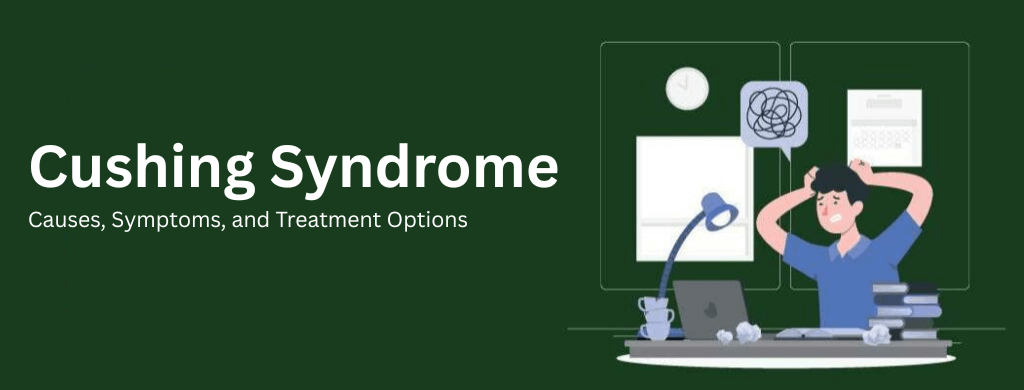
Cushing syndrome, or hypercortisolism, is a rare disorder that develops when the body is exposed to elevated cortisol levels over an extended period. Cortisol is a hormone released by the adrenal glands that plays a key role in balancing blood sugar levels, handling stress, and keeping the body healthy. In individuals with Cushing syndrome, excessive cortisol levels in the body can trigger various symptoms and lead to multiple health complications.
Symptoms
The symptoms of Cushing syndrome may differ based on how severe the condition is and how long it has persisted. Some of the common symptoms include:
- Excess weight accumulation, mainly in the face, neck, and upper body
- Fatigue and muscle weakness
- High blood pressure
- Mood changes, including irritability, anxiety, and depression
- Thinning skin and stretch marks
- Easy bruising and slow wound healing
- Increased thirst and urination
- Osteoporosis and bone fractures
- Irregular menstrual cycles in women
- Decreased libido and impotence in men
Causes
Cushing syndrome happens when the body has too much cortisol for a long time. Cortisol is a hormone made by the adrenal glands. It helps the body handle stress and supports many important body functions. When cortisol levels stay high, it can cause health problems.
Below are the main causes of Cushing syndrome:
1. Long-term use of Glucocorticoid Medicines
The most common cause of Cushing syndrome is the long-term use of glucocorticoid medicines. These medicines act like cortisol in the body. Doctors prescribe them to treat conditions such as asthma, rheumatoid arthritis, lupus, skin inflammation, and other inflammatory diseases. They are also used after organ transplants.
These medicines may be taken as tablets, injections, inhalers, or skin creams. Taking high doses for a long time can raise cortisol levels too much. This type is called exogenous or iatrogenic Cushing syndrome, which means it is caused by medical treatment.
2. Pituitary Gland Tumors (Cushing Disease)
Sometimes, a tumor grows in the pituitary gland, which is located at the base of the brain. This gland controls many hormones in the body. Some pituitary tumors cause an overproduction of ACTH, the hormone that prompts the adrenal glands to generate cortisol.
When ACTH levels rise, the adrenal glands release too much cortisol. This condition is called Cushing disease. It is the most common cause of Cushing syndrome that is not related to medicines.
3. Tumors Outside the Pituitary Gland (Ectopic ACTH syndrome)
In rare cases, tumors that grow outside the pituitary gland make ACTH. These tumors can form in organs such as the lungs, pancreas, thyroid, or thymus. This condition is called ectopic ACTH syndrome.
The extra ACTH causes the adrenal glands to make too much cortisol. These tumors are often cancerous, especially when they occur in the lungs.
4. Adrenal Gland Tumors or Diseases
The adrenal glands themselves can sometimes cause Cushing syndrome. A tumor in the adrenal gland may produce too much cortisol. Most of these tumors are benign, but some can be cancerous.
In rare cases, several growths can form in the adrenal glands and release excess cortisol. This also leads to high cortisol levels in the body.
5. Familial Cushing Syndrome
Very rarely, people inherit a tendency to develop tumors in hormone-producing glands. If these tumors make ACTH or cortisol, they can cause Cushing syndrome.
These are the primary causes of Cushing syndrome. All of them lead to high cortisol levels, which affect many systems in the body.
Diagnosis
Diagnosing Cushing syndrome can be challenging because its symptoms are common in many conditions. Doctors usually follow several steps to confirm the diagnosis and find the cause.
Medical history and exam
The doctor reviews your symptoms and all medicines you take, including tablets, injections, creams, and inhalers. Long-term use of glucocorticoid medicines is a common cause. A physical exam checks for signs such as a round face, fat between the shoulders, thin skin, bruising, and stretch marks.
Tests to confirm high cortisol
Doctors usually use more than one test:
- 24-hour urine cortisol test to measure cortisol over a full day
- Late-night salivary cortisol test to check cortisol levels at night
- Low-dose dexamethasone suppression test to see if cortisol levels drop
- Blood tests to measure cortisol and ACTH
Tests to find the cause
- ACTH blood test to see if the problem is adrenal, pituitary, or ectopic
- High-dose dexamethasone test and CRH stimulation test to tell pituitary tumors from ectopic tumors
Imaging and special tests
- CT or MRI scans of the adrenal glands, pituitary gland, or chest
- Petrosal sinus sampling if imaging is unclear
Because diagnosis can be complex, doctors often involve an endocrinologist.
Treatment
Treatment for Cushing syndrome focuses on lowering cortisol levels in the body. The treatment plan depends on the cause of high cortisol.
1. Reducing Glucocorticoid Medicines
If Cushing syndrome is caused by long-term use of glucocorticoid medicines, the doctor will slowly lower the dose. This is done carefully to avoid low cortisol levels. Sometimes, doctors switch to a non-glucocorticoid medicine. You should never stop these medicines on your own.
2. Surgery
If a tumor causes Cushing syndrome, surgery is usually the first treatment.
- Pituitary tumors are often removed through the nose by a specialist.
- Adrenal tumors are removed by surgery, often using a minimally invasive method.
- Ectopic ACTH-producing tumors are also treated with surgery when possible.
After surgery, cortisol levels may drop too low. In this case, doctors prescribe cortisol replacement medicine. Many people can stop this medicine after several months, but some may need it long term.
3. Radiation Therapy
Radiation is used when surgery cannot fully remove a pituitary tumor or when surgery is not possible. It may be given over several weeks or as a single high dose. Cortisol levels may take months or years to return to normal.
4. Medicines to Control Cortisol
Doctors may prescribe medicines to reduce cortisol production or block its effects, especially when surgery or radiation is not an option. These medicines may also be used before surgery in severe cases. Side effects are possible, so regular monitoring is needed.
5. Chemotherapy
If the tumor is cancerous and has spread, chemotherapy may be needed along with other treatments.
With proper treatment, cortisol levels often improve over time. Regular follow-up with a healthcare provider is important during and after treatment.
Lifestyle Changes and Diet
Beyond medical treatment, certain lifestyle changes and dietary adjustments can support the management of Cushing syndrome symptoms. These include:
- Engage in regular exercise to support a healthy weight and enhance muscle strength and stamina.
- Maintain a healthy diet by focusing on foods high in fiber, protein, and good fats, and by avoiding processed items and added sugars.
- Try to minimize caffeine and alcohol intake, as they may intensify feelings of anxiety and irritability.
- Relieve stress by practicing relaxation methods like meditation, deep breathing, or yoga.
- Get plenty of restful sleep each night to help manage fatigue and promote overall health.
Always consult a healthcare professional before making lifestyle or dietary changes to ensure they are appropriate and safe for your specific needs.
Complications
If Cushing’s syndrome is not treated, it can result in severe health issues and even death. Among the issues could be:
- A stroke or a heart attack
- A blood clot in the lung or in the legs
- Infections
- Fractures and bone loss
- High blood pressure
- Elevated cholesterol
- Depression or a change in attitude
- loss of memory or difficulty concentrating
- Type 2 diabetes
Prevention
Your body requires cortisol at all times. You must have it to work. It controls your breathing, converts food into energy, controls your blood sugar, and aids in stress management. Your body doesn’t hate cortisol, but too much of it can be harmful. But you need cortisol to survive.
If you’re taking steroids or glucocorticoids, ask your doctor to carefully watch your cortisol levels. Unfortunately, there is no way to stop growth from causing Cushing syndrome (hypercortisolism).
Difference Between Cushing Syndrome and Cushing Disease
Cushing’s disease is a distinct form of Cushing syndrome. It results from a benign pituitary gland tumor that overproduces ACTH, causing the adrenal glands to release excessive cortisol. In people with Cushing syndrome, Cushing disease accounts for more than 70% of adult cases and around 60% to 70% of cases in children and teenagers.
Who Should You Consult?
You will likely need to consult an endocrinologist, a doctor who specializes in hormonal disorders.
Summary
In summary, Cushing syndrome is a rare condition that occurs when the body is exposed to high levels of cortisol for a prolonged period of time. Cushing syndrome symptoms can differ based on how long the condition has lasted and how severe it is. Diagnosis usually includes a physical examination and blood tests, while treatment varies based on the underlying cause and may involve medication or surgery. Besides medical treatment, making lifestyle adjustments and dietary changes can also aid in symptom management and improve overall health.
Frequently Asked Questions
1. What is the duration of Cushing Syndrome?
Usually, Cushing syndrome is curable. Up to 18 months may pass during the course of treatment.
2. Can Cushing Syndrome deteriorate further?
If Cushing syndrome is not properly treated, it can worsen. Keep in touch with your doctor and let him or her know if you experience any new or worsening symptoms or if you have any other worries.
3. Does Cushing syndrome cause hypokalemia?
Yes, Cushing syndrome can cause hypokalemia, especially in cases of ectopic ACTH production. Excess cortisol mimics aldosterone, leading to increased potassium excretion by the kidneys, which lowers blood potassium levels.