 Health
  Find a
  Book an
 Triple Vessel Disease: Causes, Symptoms, and Diagnosis
October 9, 2025
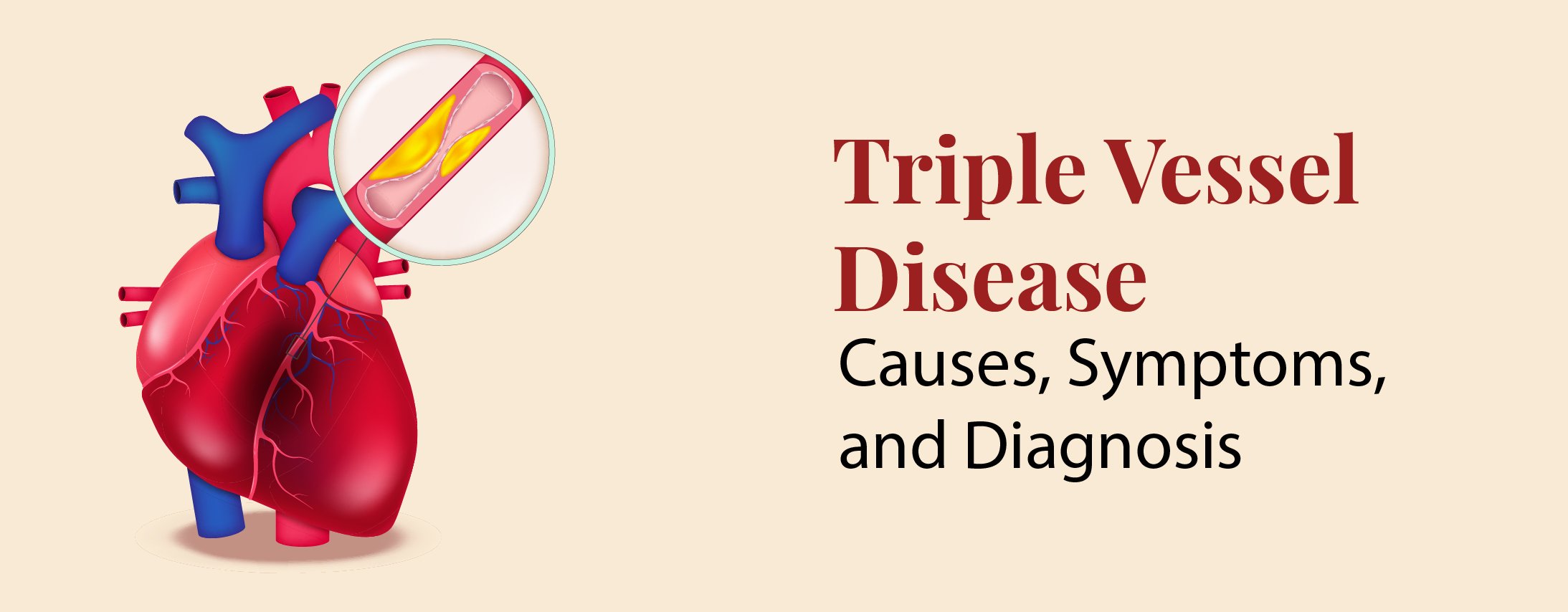
The heart works to pump blood to all of the areas that need oxygen and sustenance. However, severe constriction or blockage of the blood arteries supplying the heart can lead to serious health problems. One of these disorders is Triple Vessel Disease (TVD), a severe form of coronary artery disease that affects the heart’s three main blood vessels. This sickness requires immediate diagnosis and treatment because it significantly increases the risk of heart complications.
The coronary arteries transport oxygen-rich blood to the heart. When these arteries get clogged with fatty deposits, blood flow to the heart muscle decreases. Triple Vessel Disease is more fatal than blockages in one or two major coronary arteries since it affects all three. If left untreated, decreasing blood flow can lead to life-threatening symptoms while the heart attempts to beat properly.
Causes
Triple Vessel Disease does not develop overnight. It is often the result of a long-term process involving multiple risk factors, including:
- Unhealthy Diet – Eating too many unhealthy fats, processed foods, and sugary items can cause fatty deposits (plaques) to form in the arteries.
- Sedentary Lifestyle – Lack of physical activity can lead to obesity, high cholesterol, and other risk factors that increase the likelihood of artery blockage.
- Smoking – Tobacco use damages blood vessels and accelerates the narrowing of arteries, significantly increasing the risk of heart disease.
- High Blood Pressure – Constant high blood pressure adds extra stress to the arteries, increasing the risk of damage and plaque formation.
- Diabetes – Over time, raised blood sugar can injure blood vessels, making individuals with diabetes more likely to develop coronary artery disease.
- Genetic Factors – Having a family history of heart disease can raise the risk of developing conditions such as Triple Vessel Disease.
- Stress – Ongoing stress may increase blood pressure and other risks that harm heart health.
Symptoms
The symptoms of Triple Vessel Disease can vary from mild discomfort to severe pain. In some cases, individuals may not show clear symptoms until the disease has advanced considerably. The most common signs include:
- Chest Pain (Angina) – A common symptom is chest discomfort, often felt as tightness, pressure, or a burning sensation, which may happen during activity or even while resting.
- Shortness of Breath – If the heart cannot pump blood effectively, even everyday activities like walking or climbing stairs can lead to shortness of breath.
- Fatigue – Feeling exhausted, even after sufficient rest, can indicate that the heart is not getting enough oxygen-rich blood.
- Pain in Other Areas – Some people experience pain or discomfort in the arms, shoulders, back, neck, or jaw.
- Dizziness or Fainting – When blood flow to the brain is limited, it can lead to dizziness or, in severe cases, fainting.
Experiencing chest discomfort or shortness of breath requires urgent medical evaluation.
Diagnosis
Early diagnosis is key to managing Triple Vessel Disease effectively. Because symptoms can be subtle or absent, medical tests are needed to diagnose the condition and assess its severity. Common diagnostic methods include:
- Electrocardiogram (ECG) – This test records the heart’s electrical activity and can identify irregularities that suggest reduced blood flow.
- Stress Test – Known as a stress treadmill test, it checks how the heart responds to exercise. Abnormalities during exercise can suggest blocked arteries.
- Echocardiogram – An ultrasound of the heart that produces images of its structure and function, allowing doctors to evaluate any damage from reduced blood flow.
- Coronary Angiography – This is one of the most definitive tests for Triple Vessel Disease. A contrast dye is introduced into the blood vessels, and X-rays are used to detect blockages in the coronary arteries.
- CT Angiography – A non-invasive imaging procedure that shows clear views of the coronary arteries to evaluate any narrowing or blockages.
- Blood Tests – Checking cholesterol levels, blood sugar, and other markers can help determine the risk factors contributing to the disease.
Treatment
Treating triple vessel disease focuses on three main goals: improving blood flow to the heart, reducing strain on the heart, and slowing or preventing plaque buildup in the arteries. The specific treatment approach is determined by the patient’s health, current medications, and how they respond to treatment.
1. Medications
Medicines are a key part of managing triple vessel disease. Commonly used drugs include:
- Beta-blockers and calcium channel blockers: Aid in lowering blood pressure and easing the heart’s workload.
- Vasodilators: Relax the artery walls to improve blood flow.
- Statins: Lower cholesterol and prevent further plaque buildup.
2. Lifestyle Changes
Lifestyle adjustments are essential alongside medications. These include:
- Eating a heart-healthy diet with fruits, vegetables, whole grains, and lean proteins.
- Participate in routine exercise, such as walking or swimming, with your doctor’s approval.
- Quitting smoking and avoiding secondhand smoke.
- Managing stress through meditation, counselling, or relaxation techniques.
- Keep a healthy weight and regularly check your blood pressure and cholesterol levels.
3. Invasive Procedures
When medications and lifestyle changes aren’t sufficient, medical procedures may be required to clear blocked arteries:
- Percutaneous Coronary Intervention (PCI) or Angioplasty: A balloon is inserted to expand the narrowed artery, and a stent is often placed afterwards to keep it open.
- Coronary Artery Bypass Grafting (CABG): A surgical procedure that bypasses blocked arteries by creating a new route for blood flow. This is usually recommended for severe or multiple blockages.
The choice between PCI and CABG depends on the severity and location of blockages, as well as the patient’s health and preferences. A thorough assessment by a team of heart specialists is crucial to choosing the best treatment plan.
Post-Treatment Care: Recovery and Prevention
After completing treatment for TVCAD, patients should focus on long-term lifestyle changes to avoid future problems. Important steps include:
- Attend regular checkups with a cardiologist to keep track of heart health.
- Take prescribed medicines on time to manage symptoms effectively.
- Join cardiac rehabilitation programs to improve heart function and physical strength.
- Maintain a healthy diet and follow a regular exercise routine to reduce the risk of new blockages.
- Avoid smoking and limit alcohol intake, as both can harm blood vessels and worsen heart disease.
Importance of Early Detection
Triple Vessel Disease is a hazardous ailment that must be addressed immediately. If left untreated, it can lead to heart attacks, cardiac failure, and other significant complications. Early symptom recognition and routine physical tests can help to diagnose the condition before it worsens.
Preventive care is vital for people who have risk factors such as diabetes, hypertension, or a family history of heart problems. A heart-healthy lifestyle, frequent exercise, and regular doctor examinations can dramatically reduce the risk of major coronary artery disease.
Conclusion
Triple Vessel Disease is a significant cardiac illness that affects blood flow to the heart muscles. Being aware of the causes, identifying the symptoms, and acquiring a diagnosis as soon as feasible are all steps toward effective disease management. Adopting a heart-healthy lifestyle and taking a proactive approach to cardiovascular health can significantly reduce the risk of developing cardiovascular disease. If you feel you have any heart-related symptoms, seeking medical attention as soon as possible might help you live a healthier life.
Frequently Asked Questions
1. Is Triple Vessel Disease life-threatening?
Yes, if left untreated, it can lead to severe complications like heart attacks and heart failure.
2. Can Triple Vessel Disease be reversed?
While blockages may not be completely reversed, lifestyle changes and medical intervention can help manage the condition effectively.
3. What are the warning signs of Triple Vessel Disease?
Chest pain, shortness of breath, fatigue, dizziness, and pain in other areas like the jaw or arms are common warning signs.