 Health
  Find a
  Book an
 Treadmill Test (TMT): Purpose, Procedure, Precautions, and Results
October 24, 2025
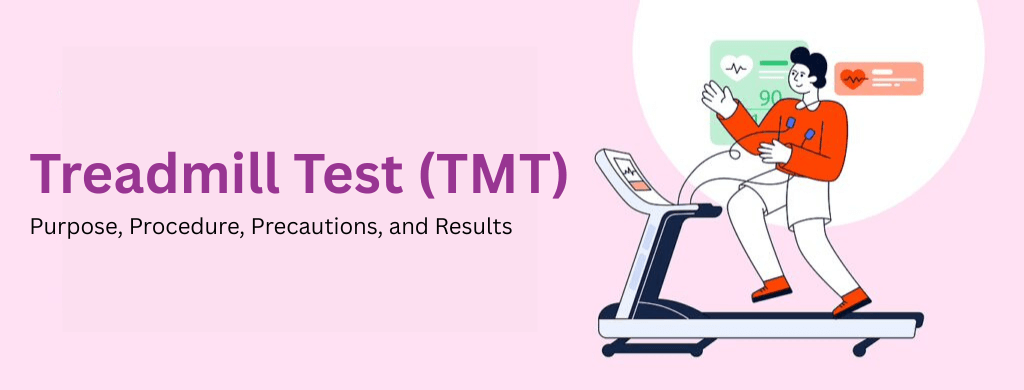
The Treadmill Test (TMT), often referred to as a stress test, checks how well the heart performs during physical effort. It assesses how well the heart functions under stress by walking or running on a treadmill with gradually increasing speeds and inclines. The test examines heart rate and blood pressure and conducts an ECG to detect irregular heart rhythms, reduced blood supply, or other cardiac disorders.
The TMT test is primarily used to assess at-risk individuals’ heart health, detect coronary artery disease, and assess cardiac function. It can benefit people with diabetes, a history of heart disease, or those who have received previous heart treatments. The test evaluates symptoms such as palpitations, dizziness, shortness of breath, and chest pain.
Why is a TMT Important
A healthy heart ensures that the body’s organs function properly. Sedentary lifestyles, bad diets, and stress can all increase the risk of heart disease. The TMT test provides valuable information about:
- The heart’s ability to pump blood under pressure.
- Possible issues with the heart’s valves and muscles.
- The heart’s electrical stability.
When is a TMT used?
- Finding heart blood flow abnormalities is the first step in diagnosing coronary artery disease (CAD).
- Assessing cardiac function entails measuring how well the heart pumps blood and how stable its electrical system is.
- Keeping an eye on heart health in persons who are at risk, especially those who have had previous heart disease, diabetes, or cardiac therapies.
- Assessing exercise readiness ensures that starting a new fitness routine is safe, especially for persons with underlying heart concerns.
Benefits
- Early diagnosis of heart issues allows for timely treatment.
- Determine how effective cardiac medicines function.
- Determine the necessity for additional, more intrusive testing.
- Implementing the correct procedures can reduce the risk of heart attacks.
The TMT test is an important first step towards better understanding and managing your heart health.
Risks Involved in the Test
The Treadmill Test (TMT), performed under expert supervision and under controlled conditions, is largely considered safe. Uncommon risks include chest pain, an irregular heartbeat, fainting, collapse, and, in extreme cases, a heart attack. These risks are extremely low because medical experts are constantly monitoring the situation.
Despite its rarity, the TMT test may pose a risk. Physical activity can cause cardiovascular problems such as arrhythmias or heart attacks, although medical experts regularly monitor and treat them. Patients may also feel weary, lightheaded, or unsteady, which increases their risk of falling; however, this risk is minimised with medical supervision. People with hypertension may experience elevated blood pressure during the exam, but this is carefully managed by professionals.
The TMT test remains a valuable and safe approach for assessing heart health and detecting potential cardiovascular problems since it follows a set procedure and ensures constant physician supervision.
Precautions Before the Test
It is essential to follow specific precautions before a TMT (Treadmill Test) to get accurate results and stay comfortable during the process.
- Avoid heavy meals: Do not eat a large meal within two hours before the test. A light snack is acceptable if needed.
- Limit caffeine and alcohol: Do not consume tea, coffee, or alcohol for a few hours before the test, as they may influence your heart rate and blood pressure.
- Discuss medications: Inform your doctor about all the medicines you are currently taking. Your doctor will guide you on whether to continue or stop them before the test.
- Wear comfortable clothes: Choose loose, comfortable clothing and proper footwear, such as sports shoes, to make walking or running on the treadmill easier.
- Rest properly: Avoid strenuous physical activity or exercise on the day of the test so your body is well-rested.
- Asthma care: If you have asthma, use your inhaler before the test as advised by your doctor.
- Light preparation: Some doctors may recommend brisk walking or light exercise for a few days before the test to help your body adjust to the treadmill activity.
Following these simple steps helps ensure the TMT test runs smoothly and produces accurate results.
TMT Procedure
Patients are instructed to avoid food, beverages, and tobacco for a few hours before the test. A blood pressure cuff is used for routine readings, and electrodes are attached to the chest to monitor heart activity.
To allow the body to adapt, the test begins with a slow treadmill warm-up. During the workout phase, the treadmill’s speed and slope are gradually increased to achieve the ideal heart rate based on age and fitness level. The test may continue until the patient reaches the desired heart rate or until symptoms such as tiredness, chest pain, or dyspnea appear. Subsequently, the treadmill slows down, and the patient continues walking while cooling down.
The patient is closely observed after completing the test to ensure their heart rate and blood pressure normalise.
After the TMT Test
After completing the TMT (Treadmill Test), patients are usually asked to rest for a short period. This helps the heart rate and blood pressure return to normal levels. During this time, healthcare professionals continue to monitor the patient to ensure everything is stable.
If you feel any discomfort, dizziness, chest pain, or shortness of breath after the test, inform your doctor immediately. The healthcare team will check your vital signs and make sure you are safe before allowing you to leave.
Once you are comfortable, the doctor will review your TMT results and explain what they mean. Based on the findings, they may suggest further tests, treatment, or lifestyle changes to improve your heart health.
Results of the Test
The results of a TMT (Treadmill Test) help doctors understand how well your heart works when it is under physical stress. These results are usually available a few days after the test.
During the analysis, doctors look at your heart rate, blood pressure, and ECG readings recorded during exercise. Based on these findings, the test results are classified as either positive or negative.
- Negative TMT Result:
A negative result means your heart is functioning normally during exercise. It shows that your heart is getting enough blood and oxygen, and there are no major signs of blockage or coronary artery disease. - Positive TMT Result:
A positive result suggests that your heart may not be receiving enough oxygen-rich blood during exercise. This can be a sign of blocked arteries or other heart-related problems, such as angina, irregular heart rhythms, or an increased risk of a heart attack.
If your test result is positive, your doctor may recommend further tests, such as echocardiography, coronary angiography, or cardiac CT/MRI, to get a clearer picture of your heart health.
However, a positive TMT result does not always mean you have heart disease. Factors like high blood pressure, anemia, or dehydration can sometimes affect the results. Before reaching a final diagnosis, your doctor will consider your symptoms, medical history, and results from other tests.
Conclusion
The treadmill test (TMT) is a reliable and effective diagnostic tool for evaluating heart health under physical stress. The TMT provides valuable information about your heart’s function and overall health, whether you’re managing an existing heart condition, measuring your level of fitness, or identifying potential cardiovascular risks. The test is safe and ensures that any hazards are immediately rectified because it is performed in a controlled environment under professional supervision. The TMT is critical for improving cardiovascular health and empowering people to live healthier, more active lives by aiding in the early diagnosis of heart issues and directing treatment regimens.
Frequently Asked Questions
1. How long does a TMT test take?
Preparation, the activity portion, and post-test monitoring typically take 30 to 45 minutes.
2. Is the TMT test painful?
No, the TMT test is not painful. However, depending on the exercise intensity, you might feel slight discomfort, such as shortness of breath. If you feel any other pain, it is important to inform your doctor.
3. How fast does the treadmill run during a TMT test?
The treadmill speed usually starts around 2 km/h and gradually increases up to 10 km/h every 2–3 minutes as the test progresses.