 Health
  Find a
  Book an
 Pyloric Stenosis: Symptoms, Causes, Diagnosis, and Treatment
September 22, 2025
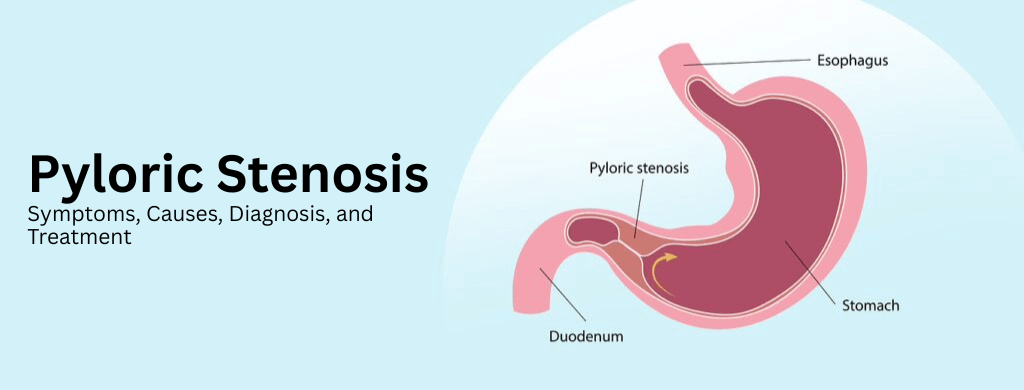
Pyloric stenosis, or hypertrophic pyloric stenosis (HPS), affects neonates by narrowing and thickening the pylorus, the muscular opening between the stomach and the small intestine. Gastric outlet obstruction is caused by a constriction, or stenosis, that stops food from passing from the stomach to the small intestine. The exact cause is unclear, but the condition is believed to result from a complex interaction of genetic and environmental factors. Pyloric stenosis is almost four times more common in males than in females, indicating a potential gender-related predisposition.
The thickened muscle, called hypertrophy, disrupts the function of the pyloric valve that regulates the movement of food. Symptoms in affected babies include projectile vomiting, malnutrition, dehydration, weight loss, and insatiable hunger. When a child is six months old, the issue is generally visible, and surgery is required to remove the obstruction.
It’s difficult to understand how pyloric stenosis is inherited because the gender of the affected child and the next sibling influences the risk of recurrence. Early detection and surgical intervention ensure a good prognosis for newborns suffering from this condition.
Symptoms
Pyloric stenosis symptoms are unusual in newborns older than three months, and they often develop three to six weeks after delivery. The symptoms listed below are symptomatic of the condition:
- Projectile Vomiting – After feeding, vomiting occurs regularly with force, ejecting formula or milk several feet away. Typically, it starts slowly and gets worse over time. Bile is present, and the vomit can seem clear or curdled.
- Persistent Hunger – Despite having vomited, affected babies typically show signs of hunger and a desire to feed again soon after.
- Abdominal Wavelike Movements – After feeding but before vomiting, the baby’s stomach muscles may create apparent spasms or ripples as they try to push the food through the obstruction.
- Dehydration – Symptoms include fewer wet diapers, dry lips and tongue, sluggishness, and non-tearful weeping. Jaundice, or yellowing of the skin and eyes, can occur in severe cases.
- Modifications to the Stool – Because so little food is going to the intestines, newborns may have constipation. This can lead to the loss or inability to gain weight
- Abdominal Pain and irritation because of stomach cramps can make the babies act fussy or appear uncomfortable.
Sometimes, a palpable mass resembling a “sausage” can be felt in the baby’s abdomen. Parents should distinguish between severe vomiting, which indicates a major condition, and regular spit-up. If these signs are present, prompt medical evaluation is essential, as pyloric stenosis may cause significant dehydration and malnutrition without treatment.
Causes
Pyloric stenosis is a complex condition resulting from a combination of environmental and inherited causes. These factors interact to contribute to its development, while the exact cause is unknown. Pyloric stenosis, which is usually nonexistent at birth, develops over the first few weeks of life.
This condition occurs nearly four times more frequently in men than in women, demonstrating a gender-related threshold for manifestation. Multifactorial inheritance also impacts recurrence risks; the gender of the first sick child and the second child impacts the likelihood that the illness will recur in the next child.
Risk Factors
Pyloric stenosis is not very common, but some babies have a higher chance of developing it. This condition usually occurs due to a mix of genetic and environmental factors.
Babies are more likely to have pyloric stenosis if:
- They are boys. The condition is much more common in male babies than in female babies.
- They are first-born children.
- They were born prematurely.
- They have a family history of pyloric stenosis. If one child in the family had this condition, future siblings may also be at higher risk.
- They belong to a white or Caucasian background, especially of European descent.
- Their mother smoked during pregnancy.
- They were exposed to certain antibiotics late in pregnancy or soon after birth.
- They are bottle-fed. Some studies show a higher risk in babies who drink formula or are fed using a bottle.
Because pyloric stenosis can run in families, adults who had this condition as infants may pass the risk on to their children.
Treatment
Although initial steps are focused on stabilising the infant’s health, surgery is the primary treatment for pyloric stenosis. Here’s a detailed explanation:
Preparation and diagnosis before surgery
- Blood tests are used to diagnose electrolyte imbalances and dehydration. Intravenous (IV) fluids are used to treat dehydration by replenishing lost fluids and correcting any mineral deficits.
- Pre-operative Instructions are to reduce the risk of aspiration during anaesthesia, the newborn should not be fed (milk or formula) for at least six hours before surgery.
Surgical Procedure: Pyloromyotomy
Pyloromyotomy is the primary treatment for pyloric stenosis and typically provides a permanent cure.
Laparoscopic Methodology
The infant receives general anaesthesia. To reach the pylorus, a small incision is made above or near the belly button. To provide a broader passageway for food to enter the intestines, the surgeon delicately trims the thicker outer muscle of the pylorus while leaving the inner layers intact.
Often, the first option is minimally invasive laparoscopic surgery. A camera and surgical equipment are introduced through tiny incisions, and carbon dioxide gas is injected into the stomach to improve vision. The approach is less invasive than open surgery, requiring only two to three incisions.
On very rare occasions, when the laparoscopic method is not possible, open surgery is performed.
Complications
Pyloric stenosis may cause several health problems, including:
- Poor growth and development: Ongoing vomiting prevents the baby from getting enough nutrition, leading to slow weight gain and delayed growth.
- Dehydration: Frequent vomiting can reduce fluid levels in the body. It may also disturb the balance of essential minerals, called electrolytes, which are important for normal body functions.
- Jaundice: In rare cases, a substance made by the liver called bilirubin can build up in the blood. This can cause yellowing of the skin and the whites of the eyes.
Conclusion
Although it can be alarming, pyloric stenosis is treatable and has a favourable prognosis if detected early. Even though the illness can be highly unpleasant and result in malnutrition and dehydration, it can be effectively treated with immediate medical attention, typically with pyloromyotomy surgery. Laparoscopy and other less invasive surgical techniques have reduced recovery periods and scarring.
Parents can seek timely care and ensure their newborn receives the necessary therapy by recognising the signs, which include dehydration, projectile vomiting, and persistent hunger. When properly cared for, the majority of babies thrive and develop normally. If you suspect your unborn child has it, consult your doctor straight away for a thorough evaluation and guidance.
Frequently Asked Questions
1. How long does pyloric stenosis surgery take?
Usually, the surgery takes less than an hour.
2. Can pyloric stenosis recur after surgery?
It is extremely rare for it to recur; the surgery is considered a permanent cure.
3. Is pyloric stenosis preventable?
Since the cause of pyloric stenosis is not known, preventing it is not easy. It is easiest to catch it early and get treatment.
4. Does pyloric stenosis affect long-term health?
No, once it is cured, the baby will grow to live a normal life without having lasting effects.
5. When can my baby start feeding after pyloric stenosis surgery?
Feeding usually resumes a few hours after surgery with small amounts of breast milk or formula, gradually increasing as your baby tolerates it.
6. What if my baby vomits after pyloric stenosis surgery?
Some vomiting is common after surgery and doesn’t mean the condition has returned. Causes may include anesthesia effects, overfeeding, or insufficient burping. If vomiting persists, the care team may run further tests and adjust treatment.