 Health
  Find a
  Book an
 Oral Thrush: Causes, Symptoms, and Treatment
August 28, 2025
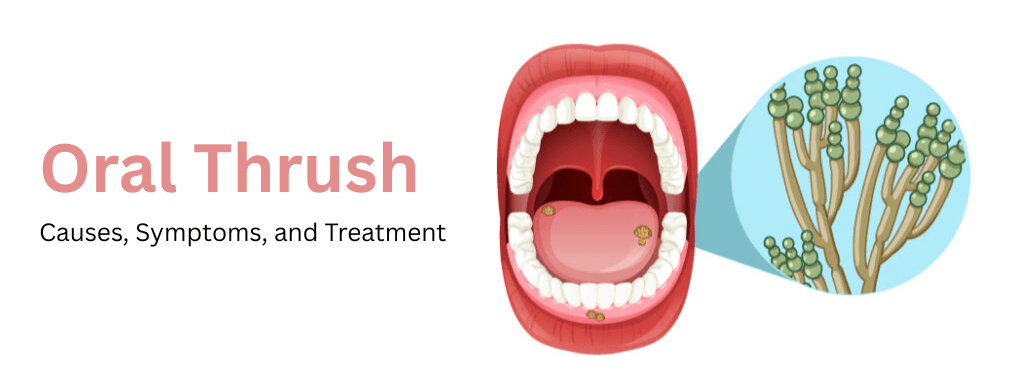
Thrush, or oral thrush, is an infection caused by a fungus found inside the oral cavity, including the throat. The primary cause is the excessive growth of the yeast Candida albicans. Thrush is a condition that shows up as white patches, cream colonies, or slightly raised lesions on the tongue, inner cheeks, plus other internal parts of the mouth. However, these patches are not easy and usually cause pain and discomfort, for instance, while eating or swallowing. Thrush is usually linked to conditions such as lowered immunity, some drugs, and different diseases like diabetes and cancer. As a result, it requires antifungal medicines for treatment.
Symptoms
- White Lesions: The primary symptom involves white, cottage cheese-like spots mainly on the tongue, inside the cheek, and the roof of the mouth. Such lesions may look like raised cottages with a cream.
- Discomfort: Thrush (oral), though, is usually uncomfortable and may cause pain and a burning sensation inside the mouth (Corns et al). It may as well lead to difficulty in eating and swallowing.
- Altered Taste: At times, people who are affected by thrush lose the sense of taste or notice a strange, metallic taste in the mouth.
- Redness and Bleeding: The affected areas may develop into reddened lesions that ooze blood on contact.
Causes
- Candida Overgrowth: Oral thrush is the underlying cause of candidiasis, a yeast that is naturally found in the mouth. Thrush may result when Candida overgrows due to an imbalance in the numbers of microorganisms.
- Weakened Immune System: Some conditions cause the immune system to become deficient, thereby making one vulnerable to oral thrush (cancer, HIV/Aids, as well as autoimmune disorders).
- Medications: Some drugs, such as corticosteroid drugs, antibiotics, and immunosuppressants, interfere with the balance of microbes in the mouth and make it prone to candida overgrowth.
- Medical Conditions: The conditions that can lead to fungal overgrowth include diabetes, xerostomia, and hormonal changes.
- Tobacco Use: Oral thrush is more common in smokers and users of tobacco products.
- Poor Oral Hygiene: Not maintaining proper oral hygiene can cause yeast, bacteria, and food particles to accumulate in the mouth, creating conditions that promote oral thrush.
- Inhaler Use: Moreover, some inhaler uses for asthma management might lead to oropharyngeal candidosis because of the effect of specific drugs on the oral microflora.
It’s essential to know these signs and causes, as oral candidiasis requires immediate medical assistance when one has a weak immune system and serious pain. Managing oral candidiasis requires appropriate treatment for the infection and dealing with any other issues in the mouth.
Diagnosis
There are several ways of diagnosing oral thrush, and they include both medical-based and clinical tests done by trained health workers like Doctors and Dentists. The diagnostic process includes:
- Clinical Examination: A physical exam of the mouth will be done by the healthcare provider, who will also look for the common white lesions or other symptoms of oral thrush. A visual examination forms part of the initial diagnostic process.
- Swab Tests: A confirmation of the presence of Candida can be made by taking a swab or scraping from the white lesion. Following this, a sample is taken to a lab for testing purposes. Microscopy and culture tests can identify the specific type of Candida causing infection.
- Underlying Condition Evaluation: A healthcare provider can ask you about your previous ailments and your present health situation to check whether there is some other condition causing this infection.
Diagnosis of candidiasis is simple, and the outcome of performed tests helps to identify the disease, determine its character, and provide adequate therapy. Therefore, if you think that you have oral thrush or its signs, it will be important to consult with a doctor so as to make an exact diagnosis of the pathology and identify the causes.
Treatment
Fortunately, oral thrush is generally treatable and self-resolving. The main objective for treatment is to eradicate the Candida over-colonization and get rid of pain symptoms. Treatment options include:
- Antifungal Medications: Oral thrush is normally treated with antifungal drugs by physicians. They can come in different forms like oral suspensions, lozenges, and tablets. Nystatin, fluconazole, and clotrimazole are common antifungal agents that are used in the treatment of yeast infections of the mouth. Take as directed, over the recommended period for a better outcome.
- Proper Oral Hygiene: Oral thrush management and prevention require good oral hygiene habits. Brush your teeth daily using a soft-bristle and non-abrasive paste. Ensure that you clean your dentures well, and also remove them every night so that your mouth can be given a chance of breathing.
- Rinse with Saltwater: A hot salted water gargle is an excellent way of easing mouth pain while accelerating healing. That is a simple but efficient home remedy.
- Managing Underlying Conditions: However, if the cause or the drug responsible for causing the Candida to invade is known, it might be addressed or changed by your care provider.
- Topical Antifungals: In certain instances, localized oral thrush may also be treated through the use of topical antifungal creams for infants. Such creams can be rubbed directly into the affected part of one’s mouth.
- Dietary Changes: Consuming low-sugar products may be a way towards such an environment. Go with a healthy and balanced diet.
One should also finish all prescription pills, though symptoms may disappear earlier. Moreover, ensure you keep in touch with your health care provider as advised for evaluation of the progress made.
If you have a severe case of oral thrush, a weakened immune system, or if the condition is recurring, your healthcare provider may conduct further investigations to identify potential underlying causes and develop a comprehensive treatment plan.
Risk Factors
- Weakened Immune System: Oral thrush is common among individuals who have low immunity, like people living with HIV/AIDS, cancer, and autoimmune disorders.
- Antibiotic Use: Antibiotics may cause an imbalance of microorganisms in the body, such as the good bacteria that inhibit the growth of Candida, and therefore can lead to further yeast proliferation and ultimately mouth thrush.
- Corticosteroid Use: Steroids should be avoided for a prolonged period since they have been associated with the suppression of immunity and the creation of favorable conditions for the growth of Candida.
- Diabetes: It is understood that uncontrolled diabetes causes high sugar levels in saliva, which creates a favorable environment for yeast development.
- Dry Mouth: Oral thrush occurs more frequently among individuals who have reduced saliva production either through medical conditions or as a drug complication because saliva is one of the factors in maintaining equilibrium in the oral environment.
- Poor Oral Hygiene: Failure to observe good oral hygiene can result in a buildup of yeast, bacteria, and stuck food particles in the mouth, which is conducive to the growth of oral thrush.
- Smoking: Smoking weakens the immune system and causes modifications in the oral milieu; a compromised host makes smokers prone to developing oral thrush.
Complications
Oral thrush typically causes minimal complications in healthy individuals. However, in those with weakened immune systems, the infection can become more serious. If left untreated, the Candida fungus responsible for thrush can enter the bloodstream, leading to a condition known as systemic candidiasis. This can cause severe problems in various organs, including the brain, heart, and eyes.
Invasive candidiasis can lead to life-threatening complications such as septic shock, a critical condition that occurs when the body’s blood pressure drops dangerously low due to infection. Those with weakened immune systems, such as people with HIV/AIDS, cancer, or those undergoing immunosuppressive therapy, are more vulnerable to these complications. Hence, seeking prompt treatment is essential to stop the infection from spreading and causing significant health complications.
Prevention
- Maintaining Good Oral Hygiene: Brushing of teeth, tongue, and gums regularly, as well as flossing, would go a long way in minimizing the formation of plaques and, in turn, reducing the possibility of oral thrush.
- Proper Denture Care: Regular cleaning and disinfection of dentures should be practiced for persons who wear dentures in order to hinder the growth of Candida on the denture surface.
- Managing Underlying Health Conditions: The susceptibility to oral thrush can be reduced by controlling conditions such as diabetes, HIV/AIDS, and other immune-compromising illnesses.
- Avoiding Certain Irritants: Restriction from using irritating substances, including tobacco, alcohol, and some mouthwashes, may reduce oral thrush.
- Maintaining a Healthy Diet: Taking a balanced diet with adequate vitamins and minerals may improve the overall immune response and thus prevent oral thrush.
- Regular Dental Check-ups: Seeing a dentist regularly can aid in spotting and preventing dental problems such as oral thrush at an early stage.
Therefore, by adopting these preventive steps, people can minimize their chances of developing oral thrush and ensure that they take care of their oral hygiene.
Conclusion
Oral thrush is also referred to as a fungal infection, which may result in pain and suffering in the mouth and throat. It manifests itself in the appearance of white lesions and is associated with candidiasis, low immunity, specific medicine intake, and diseases like AIDS. Prompt diagnosis is important and includes clinical examinations and swab tests. Effective treatment approaches, such as antifungal drugs, proper dental care, saltwater solutions, and diet alteration, may considerably reduce the signs of this condition. Also, one should take care of oral hygiene, properly control comorbidities, and avoid factors provoking oral candidiasis. Individuals can thereby maintain their dental hygiene and avoid developing candidiasis by adhering to such practices.
Frequently Asked Questions
1. Is thrush contagious?
Thrush is generally not highly contagious, but it can be transmitted in certain cases, especially to people with weakened immune systems or those on specific medications. It’s unlikely to spread through kissing or close contact in people with healthy immune systems, but avoiding contact with saliva and practicing good hand hygiene can help reduce the risk.
2. Is oral thrush caused by stress?
Oral thrush mostly occurs because of too much yeast Candida, which usually results from low immunity, some medicines, and other health problems. Though stress can lower one’s defense mechanisms, it does not necessarily lead to oral thrush.
3. Is oral thrush permanent?
In most cases, oral thrush is treated by using antifungals and good oral hygiene practices. Nevertheless, such an infection can become chronic in persons with reduced immunity levels or pre-existing pathological disorders that require ongoing treatment strategies and precautionary approaches.