 Health
  Find a
  Book an
 Nephrotic vs Nephritic Syndrome: Causes, Symptoms, and Treatment
June 16, 2025
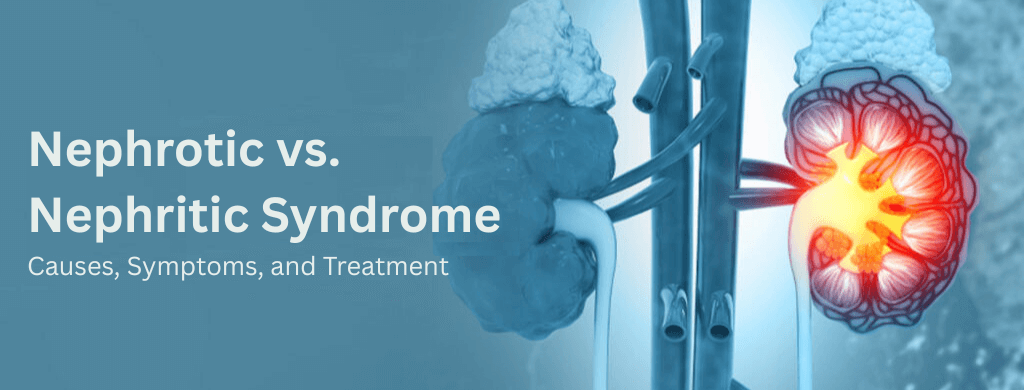
Understanding kidney conditions can be complex, and two terms often come up: “Nephrotic Syndrome” and “Nephritic Syndrome.” While they sound alike, they have distinct characteristics, causes, and effects on kidney health. In this guide, we will explain the differences between them, including symptoms, causes, and treatments. Whether it is for yourself or a loved one, this article aims to make these kidney disorders clearer and easier to understand.
Nephrotic Syndrome
Nephrotic Syndrome is a kidney condition that disrupts the body’s ability to maintain proper protein and fluid balance. Below, we explore its causes, symptoms, and related conditions.
What is Nephrotic Syndrome?
Nephrotic syndrome is a kidney condition with symptoms like protein in the urine, low blood protein levels, high cholesterol, and swelling. It is caused by underlying kidney issues and needs medical evaluation and treatment. Conditions like minimal change disease, focal segmental glomerulosclerosis, or membranous nephropathy can lead to nephrotic syndrome.
Causes
Another prevalent cause of nephrotic syndrome, particularly in adults, is focal segmental glomerulosclerosis. Scarring (sclerosis) in some portions of the kidney’s filtering units, known as glomeruli, characterises this disorder. Genetic predisposition, viral infections, obesity, and certain drugs can all contribute to FSGS. Scarring reduces the kidney’s ability to filter blood effectively over time, resulting in proteinuria and other nephrotic syndrome symptoms.
Minimal Change Disease
Minimal change disease is a primary cause of nephrotic syndrome, especially in children. MCD, despite its name, has a major impact on kidney function. It is distinguished by the presence of normal-appearing kidney tissue under a microscope, making diagnosis difficult without particular diagnostics. MCD is thought to be caused by an aberrant immunological response that causes the glomerular filtration barrier to become more permeable, allowing proteins to escape into the urine.
Focal Segmental Glomerulosclerosis (FSGS)
Focal segmental glomerulosclerosis (FSGS) is a frequent cause of nephrotic syndrome in adults, marked by scarring in the kidney glomeruli. FSGS can be influenced by genetics, viral infections, obesity, and medications, leading to impaired kidney function and symptoms of nephrotic syndrome.
Membranous Nephropathy
Membranous nephropathy thickens and inflames the kidney filters. Immune complexes damage glomeruli, causing protein in the urine. It can be primary or secondary, linked to infections, autoimmune diseases, or toxins.
Diabetes
Nephrotic syndrome risk increases with both type 1 and type 2 diabetes. High blood sugar harms kidney blood vessels, causing diabetic nephropathy. It scars glomeruli, leading to proteinuria and nephrotic syndrome. Diabetes management is vital in preventing or delaying this condition.
Systemic Lupus Erythematosus (SLE)
Lupus, an autoimmune disease, can harm organs, including the kidneys. Lupus nephritis results from the autoimmune response targeting the kidneys, causing inflammation and glomerular damage. This can lead to nephrotic syndrome symptoms and other kidney problems. Prompt lupus diagnosis and management are crucial to prevent kidney damage and related issues.
Infections
Infections like Hepatitis B, Hepatitis C, and HIV are known to contribute to the development of nephrotic syndrome.” These infections may trigger an immune response in the kidneys or directly damage kidney tissue, leading to proteinuria and other renal problems. Early detection and treatment of these infections are critical in preventing nephrotic syndrome and its complications.
Symptoms
Nephrotic Syndrome often manifests with various symptoms that can significantly impact a person’s health and well-being. This condition primarily affects the kidneys’ filtering ability, leading to specific signs and discomfort. Below, we will explore the common symptoms associated with Nephrotic Syndrome:
- Swelling (edema), often in the legs, ankles, and feet
- Weight gain due to fluid retention
- Foamy or bubbly urine
- Fatigue and weakness
- Loss of appetite
- High blood pressure (hypertension)
- Elevated cholesterol levels
- Increased susceptibility to infections
- Reduced urine output
- Abdominal pain or discomfort
- Muscle cramps
- Blood clots in veins (less common)
It’s important to note that these symptoms may vary in severity from person to person and can change over time. If you or someone you know is experiencing these signs, seeking prompt medical attention and diagnosis is essential for proper management and treatment.
Nephritic Syndrome
Nephritic Syndrome is a kidney disorder caused by inflammation of the glomeruli, leading to impaired kidney function. Below, we discuss its causes, symptoms, and associated conditions.
What is Nephritic Syndrome?
Nephritic Syndrome is a kidney illness characterised by inflammation of the kidney’s tiny blood arteries, particularly the glomeruli. These components are essential for eliminating waste and surplus fluids from the blood, which are then excreted as urine. Inflammation of the glomeruli can cause a variety of symptoms and consequences. Underlying infections or autoimmune illnesses that affect the kidneys are frequently the cause of Nephritic Syndrome.
Causes
Post-Streptococcal Glomerulonephritis (PSGN)
PSGN in children, often due to streptococcal infections like strep throat, can trigger Nephritic Syndrome as the immune response causes glomerular inflammation.
IgA Nephropathy (Berger’s Disease)
IgA Nephropathy, a chronic kidney disease, results from IgA antibody buildup in glomeruli, causing inflammation and Nephritic Syndrome. Its precise cause is often unclear, but it’s linked to abnormal immune responses.
Lupus Nephritis
Systemic Lupus Erythematosus is an autoimmune condition that can affect various organs in the body, including the kidneys. Lupus nephritis involves the immune system attacking the kidneys, causing glomerular inflammation and Nephritic Syndrome symptoms.
Goodpasture Syndrome
Goodpasture Syndrome is an uncommon autoimmune condition that mainly targets the kidneys and lungs. It develops when the immune system creates antibodies that mistakenly attack the glomeruli in the kidneys and the alveoli in the lungs. This dual attack can result in both Nephritic Syndrome and pulmonary symptoms.
Henoch-Schönlein Purpura (HSP)
Henoch-Schönlein Purpura is a disorder marked by inflammation of small blood vessels, commonly impacting the skin, joints, digestive system, and kidneys. HSP often follows an upper respiratory tract infection. HSP frequently develops after an upper respiratory tract infection.
Wegener’s Granulomatosis
Granulomatosis with polyangiitis (GPA) is a rare autoimmune disorder causing blood vessel inflammation, including kidney vessels, leading to Nephritic Syndrome. It can affect various organs.
Membranoproliferative Glomerulonephritis (MPGN)
MPGN is a type of glomerulonephritis characterised by changes in the structure of the glomeruli. These structural changes can result from immune complex deposition or other factors. MPGN is categorised into Type I, Type II, and Type III, each with distinct underlying causes. The condition often leads to Nephritic Syndrome due to glomerular inflammation and damage.
Bacterial Endocarditis
Infective endocarditis is a bacterial infection that targets the inner lining of the heart and its valves. In some cases, the immune complex formation that occurs during this infection can affect the kidneys, leading to Nephritic Syndrome.
Alport Syndrome
Alport Syndrome is an inherited condition that damages the glomerular basement membrane within the kidneys. This inherited condition can lead to chronic kidney disease, and in some cases, Nephritic Syndrome may develop.
Other Causes
Nephritic Syndrome can result from viral or parasitic infections and drug-induced kidney damage, leading to glomerular inflammation.
Symptoms
Nephritic Syndrome involves kidney inflammation and damage to the glomeruli. It leads to distressing symptoms, so prompt medical attention is vital. Common symptoms include blood in the urine, swelling, and high blood pressure.
- Hematuria (blood in urine), which can make urine appear pink, red, or brown.
- Reduced urine output.
- High blood pressure (hypertension).
- Proteinuria (excessive protein in the urine).
- Swelling, particularly around the eyes, hands, feet, and ankles.
- Fatigue and weakness.
- Increased amounts of creatinine and urea are found in the blood.
- Oliguria (decreased urine production).
- Dark, foamy urine due to protein leakage.
- Mild to severe flank or abdominal pain, often on one side.
If you notice these symptoms, it’s important to see a medical professional for a correct diagnosis and appropriate care.
Comparison Table
This table provides a simplified comparison of key characteristics between Nephrotic and Nephritic Syndrome.
| Aspect | Nephrotic Syndrome | Nephritic Syndrome |
| Definition | A kidney disorder characterized by inflammation in the kidneys, blood in the urine, and high blood pressure. | Urine tests, blood tests, and a kidney biopsy. |
| Causes | Diabetes, lupus, infections, and certain medications. | Autoimmune diseases, infections, and certain medications. |
| Symptoms | Swelling in the body, foamy urine, fatigue, and weight gain. | Blood in the urine, high blood pressure, decreased urine output, and swelling in the body. |
| Diagnosis | Urine tests, blood tests, and a kidney biopsy. | Urine tests, blood tests, and kidney biopsy. |
| Treatment | Medications to reduce swelling and lower cholesterol levels, and dietary changes. | Medications are prescribed to manage high blood pressure and address the root infections or medical conditions causing the issue. |
Conclusion
Differentiating between Nephrotic and Nephritic Syndromes is crucial for healthcare providers and patients facing kidney disorders. These conditions, though both impacting the kidneys and involving glomerular harm, possess unique features. Nephrotic Syndrome is defined by severe proteinuria, pronounced edema, and usually normal blood pressure, whereas Nephritic Syndrome showcases hematuria, hypertension, and moderate glomerular damage. This distinction facilitates precise diagnosis and customised treatment strategies, underscoring the importance of early detection and proper care for better kidney well-being.
Frequently Asked Questions
1. What is Acute Nephritic Syndrome?
Acute Nephritic Syndrome is a condition where the tiny filtering units in the kidney, called glomeruli, become inflamed and damaged. It usually occurs as a result of the immune system responding to various causes, like infections or autoimmune diseases. Common symptoms include blood in the urine, proteinuria, high blood pressure, and swelling in the feet, hands, and face. Prompt diagnosis and treatment are vital to tackle the root cause and avoid additional kidney damage, with the treatment plan tailored to the specific condition.