 Health
  Find a
  Book an
 Immunosuppressants and Their Role in Organ Transplantation
January 8, 2026
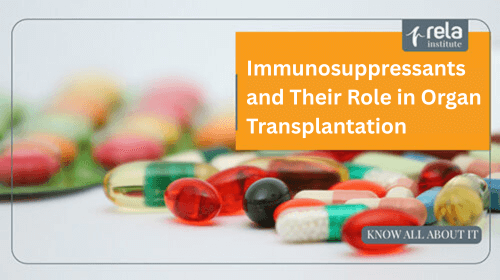
Immunosuppressant drugs are agents used to reduce the power of the body’s immune system. Also known as anti-rejection drugs, immunosuppressants are primarily used to suppress the body’s ability to reject bone marrow or organ transplantation.
Organ transplantation is one of the most significant evolutions in medical history. It is a surgical process where an organ or part of the organ is removed from a living or deceased donor and placed in the recipient’s body. Organ transplantation is often vital for the recipient whose organ has failed or been damaged due to disease or injury.
Why and When Doctors Prescribe Immunosuppressant Medicines
Doctors use immunosuppressant medicines to reduce the activity of the immune system. These medicines are mainly prescribed for people with autoimmune diseases and for those who have received organ or stem cell transplants. They help stop the immune system from attacking the body’s own tissues or a transplanted organ.
Use in Autoimmune Diseases
In autoimmune diseases, the immune system mistakenly attacks healthy cells instead of protecting the body. Immunosuppressants slow down this harmful immune response. This helps reduce inflammation, limit tissue damage, and control symptoms. In some cases, these medicines can bring the disease into remission, meaning symptoms disappear for a period of time.
Doctors may recommend immunosuppressants for conditions such as:
- Alopecia areata
- Inflammatory bowel disease, including Crohn’s disease and ulcerative colitis
- Lupus
- Multiple sclerosis (MS)
- Psoriasis and psoriatic arthritis
- Rheumatoid arthritis (RA)
After Stem Cell (Bone Marrow) Transplant
Some people with blood cancers, blood disorders, or bone marrow problems need stem cell transplants from a donor. These new stem cells create a new immune system in the body. Sometimes, the new immune system may attack healthy tissues, a condition called graft-versus-host disease (GVHD).
Immunosuppressants help prevent and treat GVHD by calming the immune response. Doctors may give these medicines through a vein or by mouth for weeks, months, or even years after the transplant. Treatment continues until the new immune system becomes stable and accepts the body.
After Organ Transplant
After an organ transplant, the immune system sees the new organ as something foreign. This triggers the body’s defence mechanism to attack it, causing severe damage to the transplanted organ. To reduce the body’s reaction, immunosuppressive agents are prescribed, which block the effects of natural defences, allowing the transplanted organ to remain healthy. However, by blocking the body’s defences, the body becomes vulnerable to infections.
Post-transplant, a combination of medications is advised, whose types and dosage would be changed over time. These are immunosuppressive agents or anti-rejection drugs, anti-infective drugs, and miscellaneous medicines. Different combination of drugs is used to create a balance between immunosuppressive agents to avoid rejection and minimise the side effects.
How Are Immunosuppressant Medicines Taken?
Immunosuppressant medicines can be taken in different ways, depending on your condition and treatment plan. You may take them as tablets or liquid medicine by mouth. Some people receive them as injections or through a vein (intravenously) in a hospital or clinic.
The length of treatment varies from person to person. Some people may need these medicines for a few months or up to a year. Others may need them for a longer time. For example, people with autoimmune diseases often take immunosuppressants for many years or even for life. Those who have had organ or stem cell transplants usually need long-term treatment, as advised by their healthcare provider.
More About Immunosuppressive Agents:
Immunosuppressive drugs are categorised into two types: induction drugs and maintenance drugs. Induction drugs are used at the time of transplant and are strong anti-rejection drugs. Anti-rejection medicines used for the long term are known as maintenance drugs. The goal is to reduce the chances of rejection and also possible side effects due to anti-rejection medicines. Prescribed medications and patterns must be followed as suggested, and even a little change may trigger the risk of organ rejection. If a dose is missed, contact the transplant team immediately. In due course, only one anti-rejection drug will be prescribed to be used for a lifetime.
The success of transplanted organs depends on the proper use of anti-rejection medicines. The best organ transplant team at Rela Hospital will assist the patient and the caretaker with the medication regimen. The drugs should never be stopped, nor should there be any change in the pattern or dosage without prior approval from the doctor. If there is any other medication prescribed by any other consultants, this must be informed to the transplant team.
Rejection – A threat After Transplant:
The organ transplant team will assist the patient in looking for symptoms of rejection. If detected early, organ rejection can often be reversed. The patient and the caretaker are educated to look for symptoms of rejection. The doctor tries to reverse the rejection process by changing anti-rejection drugs, adjusting dosage, or adding new drugs.
Common Side Effects of the Anti-Rejection Drugs Include:
- Infections
- Kidney Toxicity
- High blood pressure
- High blood sugars
- Tremor
- Insomnia
- Headache
- Diarrhoea
- Mood Changes
About Anti-Infective Drugs:
Anti-infective drugs are the medicines advised to prevent infections because the body’s immune system is weakened by anti-rejection medicines. These drugs, post-transplantation, aid in protection against bacterial, viral, and fungal infections. This regimen is initially prescribed and slowly withdrawn over time.
Other Drugs:
Miscellaneous drugs help control side effects of anti-rejection medicines and other health conditions.
Frequently Asked Questions
1. Is the donor prescribed immunosuppressants?
No, organ donors are not prescribed immunosuppressants