 Health
  Find a
  Book an
 Organ Transplantation: Types, Donors, Risks, and Lifesaving Benefits
October 7, 2025
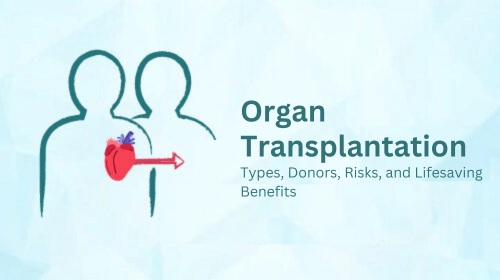
Organ transplantation is the process of surgically removing a healthy organ from one person and transplanting it into another person whose organ has failed or been damaged. It is frequently lifesaving and provides the recipient with a joyful new lease of life.
However, organ transplantation is a significant surgery with potential dangers and downsides, such as the possibility of organ rejection. That is why you and your loved ones must obtain as much information about organ transplants as possible as soon as feasible.
What’s Next After the Decision to Get a Transplant?
When your doctor tells you the news, he or she will usually recommend that you be referred to an organ transplant centre. Even if you’re still reeling from the news, this is the point at which you, as a potential transplant recipient, must become very aggressive. Giving up and allowing your health care professionals to make all of the decisions is a mistake. Some things are beyond your control, but a surprising amount is.
The Scientific Registry of Transplant Recipients website offers detailed reports on transplant centres nationwide. These reports provide information on waiting times, the ratio of living to deceased donors, survival rates, and additional relevant details. Because data can be difficult to interpret, you should consult your doctor or the facility.
What is the List of Organs and Tissues that can be transplanted?
Organs
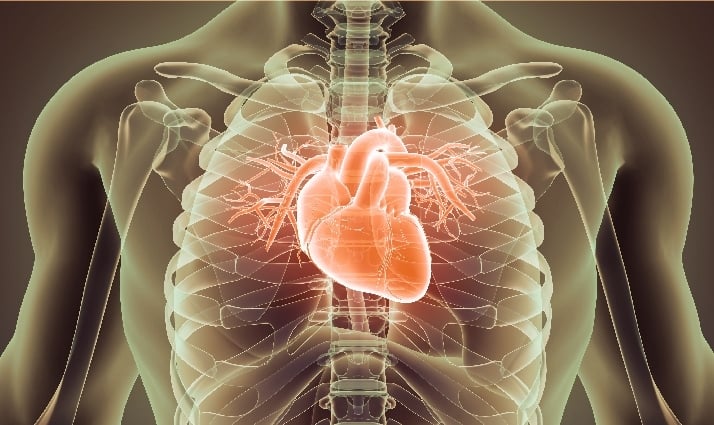
- Heart
- Intestine
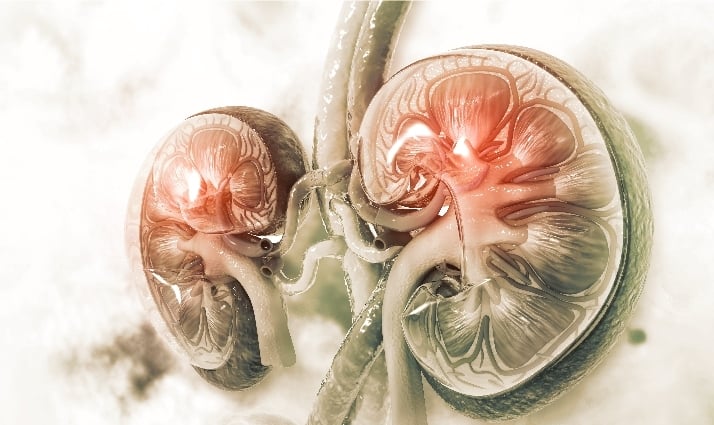
- Kidney
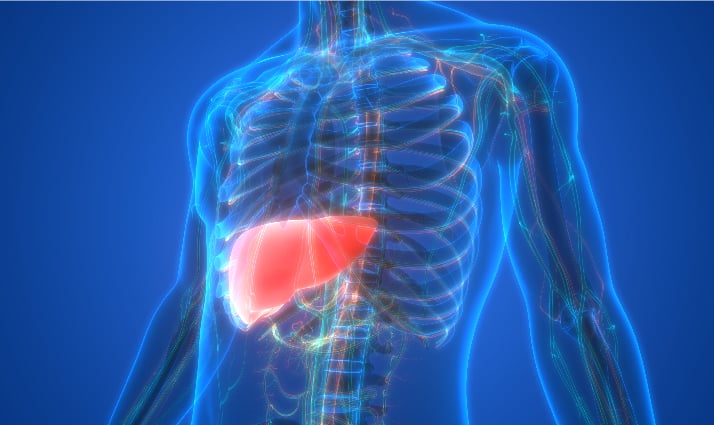
- Liver
- Lung
- Pancreas
Tissues
- Bone
- Corneas
- Heart Valves
- Nerves
- Pancreas Islets
- Skin
- Tendon
- Veins
Cells
- Bone Marrow
- Stem Cells
Limbs
- Arms
- Hands
- Feet
Who Can Be an Organ Donor?
People of all age groups must think about becoming donors. When a person dies, their medical history and age are used to determine donor appropriateness. The suitability of a person for organ donation is assessed by the organ procurement organisation.
Types of Organ Donation
Organ donation comprises two types:
- Living Donor Organ Donation: During their lifetime, a person can donate one kidney, a portion of the pancreas, and a section of the liver. A living donor is any person over the age of 18 who freely consents to the removal of any of his or her organs and/or tissue for therapeutic purposes throughout his or her lifetime.
Types of Living Donor Organ Donation
- Living Near Related Donors – Only immediate blood relatives, including parents, siblings, children, grandparents, and grandchildren, are normally approved as donors (THOA Rules 2014). Spouses are also allowed as live donors in the category of close relatives and are eligible to donate.
- Living Non-near relative Donors – Living with a distant relative. Donors are those who are not related to the recipient or patient. They may gift just out of love and devotion to the recipient, or for any other unique cause.
- SWAP Donors – If a living near-relative donor is not compatible with their intended recipient, a donor swap can occur between two such pairs, allowing each donor to match with the other pair’s recipient.
- Deceased Donor Organ Donation: After (brain-stem/cardiac) death, a person can donate several organs and tissues. His or her organ is still alive in the body of another individual. Anyone, regardless of age, ethnicity, or gender, can become an organ and tissue donor after death (brainstem/cardiac). Approval must be obtained from a close family member or a person legally responsible for the deceased. If the deceased donor is under the age of 18, authorisation from one of the parents or other close family members allowed by the parents is required. At the moment of death, medical fitness for donation is evaluated.
National Organ Transplant Program
The Directorate General of Health Services, Government of India, is executing the National Organ Transplant Programme to carry out the actions specified in the amendment Act, train personnel, and promote organ donation from deceased individuals.
The Objectives of Organ Transplant
- To set up a mechanism for procuring and distributing organs and tissues for transplantation.
- To encourage the donation of deceased organs and tissues.
- Manpower was necessary to train.
- To keep vulnerable, poor people safe from organ trafficking.
- Monitoring organ and tissue transplant services and making policy and program corrections/changes as appropriate.
Transplant Commercialism
Some people who are in desperate financial need may be willing to sell one of their kidneys. Buying and selling kidneys is known as “transplant commercialism,” and it is prohibited in practically every country on the planet.
Transplant Tourism
Travel for transplantation is prohibited when it involves organ trafficking and/or transplant commercialism, or when the resources (organs, professionals, and transplant centres) devoted to providing transplant services to patients from outside a country jeopardise the country’s ability to provide transplant services to its own population.
What is the Riskiest Transplant?
All procedures are inherently risky, which is why many individuals are anxious before going under the knife. However, due to delicate organs or sophisticated processes, some surgeries are very risky. Anaesthesia can sometimes cause malignant hyperthermia or a rapid rise in body temperature. Other issues can arise as a result of bleeding, blood clots, or delayed healing. Of course, these issues are uncommon and should not prohibit you from having surgery, but they are all things that surgeons must be aware of.
The five most dangerous operations are listed below:
- Open Heart Surgery
- Liver transplants
- Intestine transplant
- Cancer operations
- Brain Surgery
Frequently Asked Questions
1. Which organ has the highest rejection rate?
Organ transplants are frequently rejected because the body’s immune system may attack the donor organ and lead it to fail. Even though the transplants are examined with regular biopsies, the rate of organ rejection and patient mortality in heart transplants is the greatest. Specifically, 40% of heart transplant recipients have serious rejection within a year following their transplant. It is definitely critical to develop strategies for detecting potential transplant rejection earlier, especially for organs such as the heart.
2. Which organ transplants are most common?
The majority of living donors (8613) were kidney or liver donors (1993). The majority of solid-organ transplants were kidney transplants, followed by liver, heart, lung, and pancreatic transplants.