 Health
  Find a
  Book an
 Gastric Problems: Causes, Symptoms, and Remedies
April 13, 2026
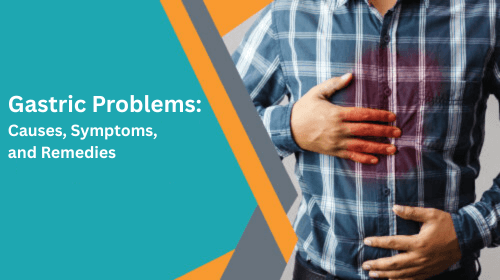
Food patterns of people are constantly changing in today’s fast-paced world. A lot of people load themselves with trans fats, sugars, and oils, resulting in an upset stomach! Digestive disorders and other illnesses affect not only adults but also children & the elderly.
The gastrointestinal tract comprises the oesophagus (food pipe), stomach, and intestines. The oesophagus transports food to the stomach and intestines, where they are broken down into smaller substances in order to absorb the appropriate nutrients.
Most people who present with a problem in their stomach can be relieved by over-the-counter medicines and lifestyle changes. Digestive discomfort, including indigestion and heartburn, is a widespread concern.
Gas is a normal part of the digestion process. The body expels excess gas by either burping or passing it as flatus. Gas-related pain can occur when gas becomes trapped or doesn’t move efficiently through the digestive tract. Certain food choices may worsen the discomfort. However, this pain is often manageable or reducible through simple lifestyle and dietary adjustments.
Types
Gastric problems can occur in different forms. Some of the most common types include:
- Gastritis: This is inflammation of the stomach lining. It can cause pain and discomfort in the upper abdomen.
- Gastroesophageal Reflux Disease (GERD): In this condition, stomach acid flows back into the food pipe. It often causes heartburn and a burning sensation.
- Peptic Ulcers: These are open wounds that form in the lining of the stomach or the upper part of the small intestine.
- Irritable Bowel Syndrome (IBS): This is a common digestive disorder that affects the stomach and intestines, causing pain, bloating, and changes in bowel habits.
- Gastroenteritis: Also known as stomach flu, it causes irritation in the stomach and intestines, leading to diarrhea and vomiting.
Proper diagnosis and treatment are important to manage these conditions and maintain good digestive health.
Foods that Cause Gas
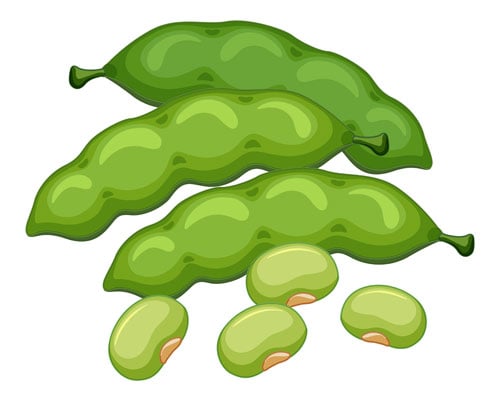
Beans and peas (legumes)
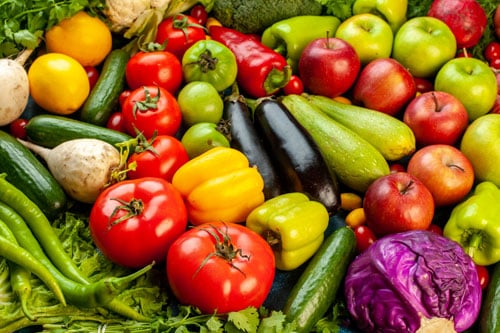
Fruits

Vegetables
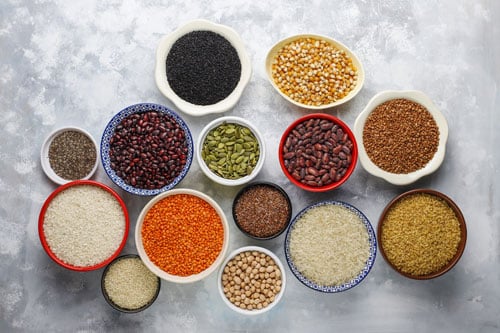
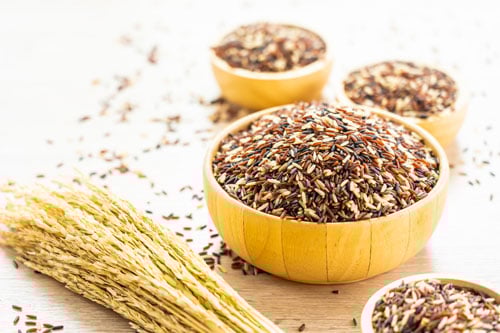
Whole Grains
Dietary factors
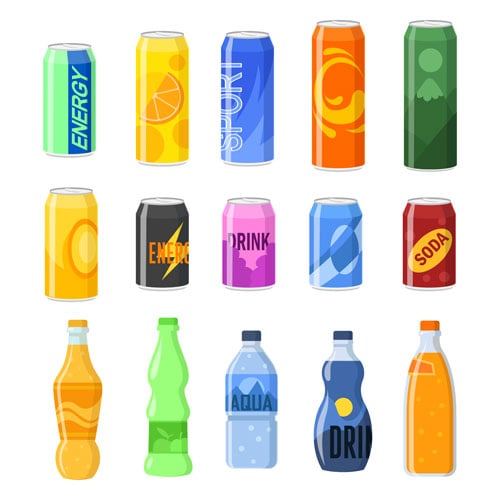
- Carbonated beverages
- Eating habits (pace, talking while eating, etc)
- Fiber supplements
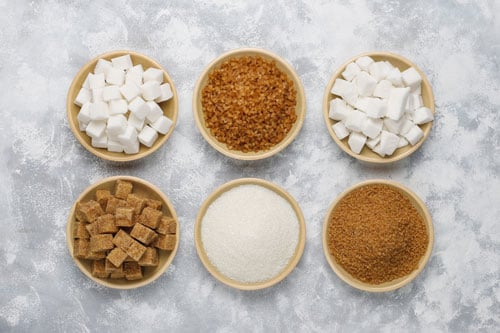
- Sugar substitutes
Medical Conditions
- Chronic intestinal disease
- Small bowel bacterial overgrowth
- Food intolerances
- Constipation
How is the Gas Formed in the Stomach?
Gas forms in the digestive system when a person swallows air while eating or drinking, with most of it being released through burping. Additionally, when bacteria in the gut break down undigested carbohydrates, fibers, starches, and sugars in the small intestine, gas is produced. While some of this gas is absorbed by bacteria, the remainder is expelled through the anus.
Symptoms
Here are some common symptoms associated with gas trouble:
- Acid Reflux
- Abdominal enlargement or bloating, also known as distention.
- Burping or belching
- Burning feeling in the stomach
- Bloating
- Passing gas
- Pain, cramping, or a tight, knotted sensation in the abdomen.
- Nausea
- Hiccups
- Upset stomach
- Sores in the stomach lining
- Reduced desire to eat
Although passing gas can be uncomfortable or embarrassing, it is a natural part of the digestive process. On average, a person passes gas about 20 times a day. Burping is also normal, especially during or shortly after meals.
Prevention
The effectiveness of home remedies for gas problems can differ from person to person. What works well for one may not be effective for another. It’s important to try different options to see what suits you best. Keep in mind that most of these remedies are supported by anecdotal evidence rather than scientific proof.
- Stay hydrated
- Avoid carbonated beverages
- Drink liquids at room temperature
- Avoid gas-triggering foods
- Avoid artificial sweeteners
- Pace yourself while eating
- Avoid gum, smoking, and tobacco
- If you wear dentures, check for gaps regularly
- Movement may help release the gas
- Walk
- Do yoga
- Massage the pain point
Home Remedies
Consume a glass of warm water combined with one of the ingredients listed below.
1. Anise
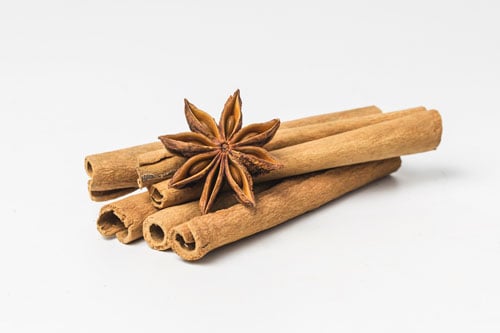
2. Caraway

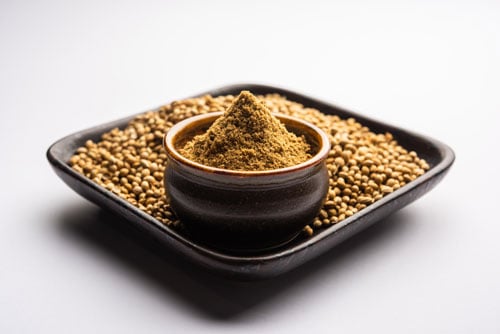
3. Coriander
4. Fennel
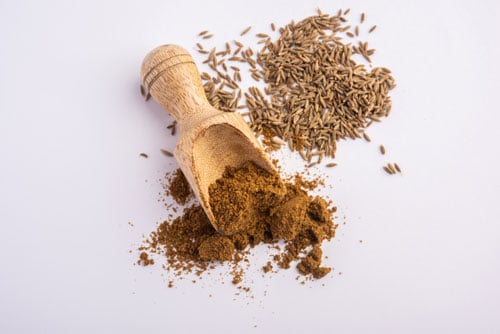
5. Turmeric
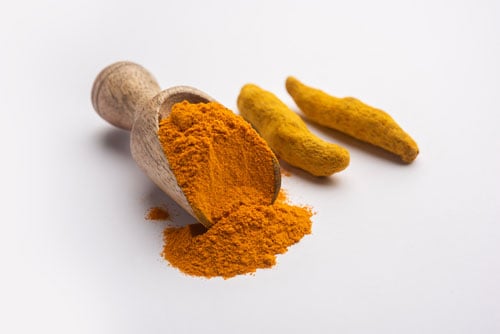
6. Baking soda
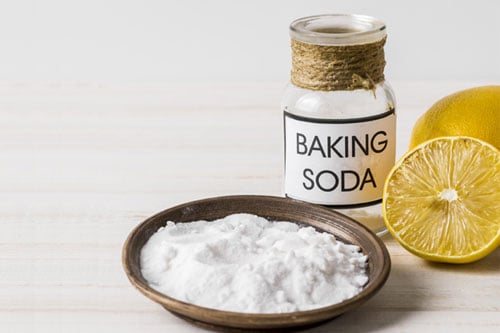
7. Apple cider vinegar
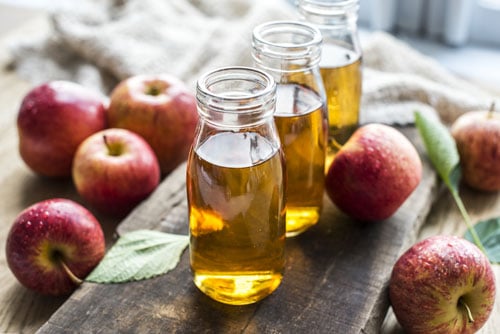
Gastric Problem Treatment
Gas trouble medicines
- Alpha-galactosidase
- Lactase supplements
- Simethicone
- Activated charcoal
When to See a Gastroenterologist?
If gastric problem symptoms are cured or managed on their own or with the help of medications, then you need not visit a doctor.
However, you must visit your doctor if the gastric problem symptoms are severe and affect your daily routine, or if they present with other symptoms such as:
- Bloody stools
- Diarrhoea
- Persistent constipation
- Weight loss
- Change in bowel habits
- Chest pain
- Vomiting
- Heartburn
Rela Hospital is a multispeciality hospital with one of the best gastrointestinal services. With advanced procedures, state-of-the-art technology, and a team of highly skilled gastroenterologists, we offer exceptional care for all digestive tract conditions and emergencies.
If you’re experiencing any digestive issues, disorders, or discomfort, consult our experts (gastroenterologists) for personalized and effective treatment.
Frequently Asked Questions
1. How to use hing (asafoetida) for gas problems?
Add a half teaspoon of hing in warm water and consume it on an empty stomach to relieve yourself of gas and the resultant bloating.
2. Is the gas problem related to the liver?
Malabsorption and/or maldigestion of certain nutrients can cause gas; it is common in those who present with alcoholic liver disease and cholestatic liver diseases such as primary biliary cholangitis.
3. How to manage gas during pregnancy?
Drink plenty of water
Avoid carbonated drinks
Maintain a food diary
Consume more fibre-rich foods
Exercise regularly
Wear comfortable clothes
Reduce stress