 Health
  Find a
  Book an
 Black Fungus (Mucormycosis): Causes, Symptoms, Treatment, and Prevention
March 16, 2026
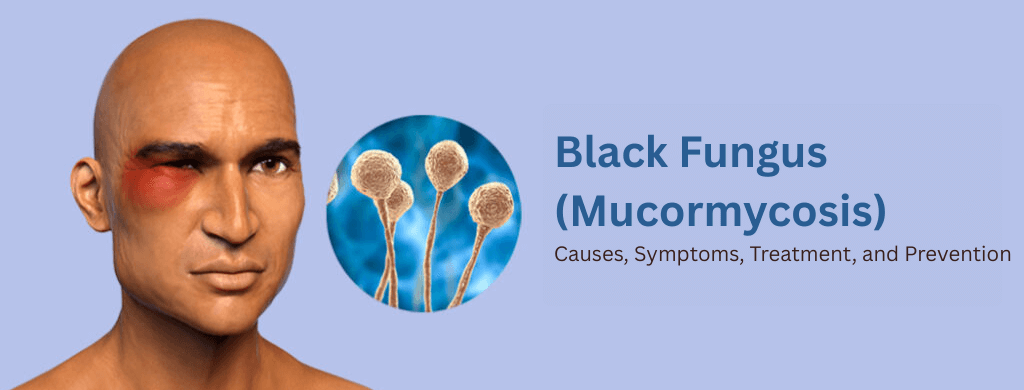
Fungal spores are a type of fungus that can survive for long periods and are present in our surroundings, including soil, air, decaying organic matter, and compost piles. Normally, these spores don’t cause any issues, but in individuals with weakened immunity or underlying health conditions, they can lead to serious infections such as black fungus, medically known as mucormycosis.
Mucormycosis has existed for a long time, but it gained public attention in India during the COVID-19 pandemic in 2021 when cases increased among hospitalised patients.
Types of Mucormycosis
Black fungus infection can occur in different areas of the body. Doctors classify the disease based on the area where the infection occurs.
1. Rhinocerebral Mucormycosis – This type affects the nose, sinuses, and brain. The infection usually starts in the nasal passages and may spread to the eyes or brain.
2. Pulmonary Mucormycosis – This type affects the lungs. It is more common in people with weak immunity or lung problems.
3. Cutaneous Mucormycosis – This type affects the skin. The fungus may enter the body through cuts, burns, or wounds and affect the skin.
4. Gastrointestinal Mucormycosis – This rare type affects the stomach and intestines. It is more common in people with poor nutrition or weak immunity.
5. Disseminated Mucormycosis – This is the most severe type. The infection spreads through the blood and affects many organs in the body.
Causes
Black fungus, or mucormycosis, is a rare but potentially fatal fungal infection caused by fungi belonging to the genus Mucor. These fungi thrive in environments such as rotting wood, decaying leaves, compost piles, and soil. Humans can contract the infection through:
- Inhaled spores from soil, decaying organic matter, or dust
- Skin penetration via cuts, burns, or surgical wounds
- Contact with contaminated water or flood-damaged areas
Who is at Risk?
While anyone can be exposed to black fungus, certain conditions and medications increase the risk, particularly those that impair the immune system:
- Diabetes, especially with diabetic ketoacidosis
- HIV/AIDS
- Cancer
- Organ or stem cell transplantation
- Neutropenia (low white blood cell count)
- Long-term corticosteroid use
- Injected drug use
- Hemochromatosis (iron overload)
- Metabolic acidosis
- Poor nutrition or compromised overall health
- Premature birth or low birth weight
- Burns, wounds, or surgery-related skin damage
People with these conditions are more susceptible to contracting mucormycosis.
Symptoms
Symptoms of black fungus vary depending on the site of infection:
Common Symptoms:
- Abdominal pain
- Fever
- Cough and chest pain
- Blurred or double vision
- Shortness of breath
- Nasal obstruction
- Blood clots
- Facial swelling (often one-sided)
- Headache and sinus congestion
- Nausea and vomiting
- Edema
- Blood in stool or gastrointestinal bleeding
- Pain or swelling at the infection site
- Black, red, or blistered skin lesions
- Fever, body weakness, or discomfort
- Darkened skin tissue
- Diarrhoea
Severe or Disseminated Infection:
When the infection spreads through the bloodstream (disseminated mucormycosis), it can affect vital organs like the heart and spleen. Severe cases may lead to:
- Mental changes or confusion
- Coma
- Fatal outcomes if untreated
Diagnosis
There are numerous methods for determining black fungus sickness. A few among them are:
- Clinical Diagnosis – The most common symptom is a headache. Tissue necrosis is the obvious clinical sign, and looking for eschar (black scab) in the mouth or nasal cavity aids the diagnosis. The presence of redness and protrusion of the eye with swelling, loss of vision, severe facial discomfort, and focused numbness should increase the possibility of the condition.
- Imaging Techniques – A CT scan of the paranasal sinuses and brain aids in the diagnosis of rhino-orbital illness. CT lungs can help find pulmonary nodules, and effusion can help diagnose pulmonary disease.
- Histopathological and Microbiological Examination – The most critical stage in diagnosing is identifying the fungus on microscopic analysis of the tissue and checking for uptake of particular requirements to determine the fungus.
- Molecular Assays – Molecular techniques such as restriction fragment length polymorphism (RFLP), conventional polymerase chain reaction (PCR), melt curve analysis of PCR products, and DNA sequencing of specific gene areas aid in determining the existence of Mucorales (the pathogen responsible for black fungus disease). These tests are rarely performed because a microscopic examination is generally sufficient.
Treatment
Treatment is multi-faceted and depends on the severity and location of the infection:
1. Addressing Risk Factors
- Managing diabetes and other underlying conditions
- Reducing immunosuppressive medications where possible
2. Antifungal Medications
- Liposomal amphotericin B
- Isavuconazole
- Posaconazole
3. Surgical Debridement
- Surgical removal of dead tissue may be required to stop the infection from spreading.
- Plastic surgery may be required after recovery for severe tissue damage
4. Supportive Care
- Oxygen therapy for respiratory involvement
- Nutritional support
- Close monitoring in hospital for severe cases
Early detection and aggressive treatment significantly improve outcomes.
Prevention
While it is impossible to completely avoid fungal spores in the environment, risk can be reduced by:
- Maintaining proper hygiene and cleaning skin wounds with soap and water
- Avoiding dusty environments such as construction sites or flood-damaged areas
- Using masks and gloves during gardening or outdoor activities
- Managing diabetes and controlling blood sugar levels
- Regular follow-ups with healthcare providers, particularly after COVID-19
- Covering cuts, burns, and wounds to prevent skin infection
Good immunity and caution in high-risk environments are key preventive measures.
Complications
If left untreated or diagnosed late, mucormycosis can cause:
- Vision loss
- Impaired focus or neurological problems
- Severe tissue damage
- Coma or death in extreme cases
- Long and expensive hospital treatments due to toxic antifungal medications
Identifying the infection quickly and starting treatment promptly is vital to prevent serious, life-threatening complications.
Frequently Asked Questions
1. Is black fungus contagious?
No. Black fungus does not spread from person to person or from animals to humans. Infection occurs mainly through environmental exposure in immunocompromised individuals.
2. How is black fungus contracted?
Fungal spores in the environment can cause mucormycosis in humans. For instance, inhaling airborne spores can result in a lung or sinus infection. Once the fungus penetrates the skin through a cut, burn, or other sort of skin injury, a skin infection may result.