 Health
 Find a
 Book an
Management of Acute Liver Failure
At RILDT, we are one of the very few liver units in the country that have the ability to manage sick patients and undertake liver transplantation on an emergency basis. In our hospital, we get many patients with Acute Liver Failure, which refers to a severe failure of liver function within a matter of days to weeks in a previously healthy person. The most common cause of ALF in India is viral infection due to the hepatitis viruses. Other causes of ALF are overdose of paracetamol, consumption of poisonous materials like phosphorus compounds (found in rat killer poison), autoimmune hepatitis and Wilson’s disease. Patients with acute liver failure usually present with jaundice, bleeding problems and altered behaviour. Patients with acute liver failure need urgent transfer to a hospital with a liver transplant service to have a successful outcome. Some of these patients may recover with medical treatment alone. This treatment has to be provided in an intensive care unit with careful monitoring by the liver physicians and intensive care specialists. Patients who reach certain criteria on blood tests need urgent liver transplantation as they will not survive with medical treatment. Urgent living donor or deceased donor liver transplantation is lifesaving in this situation, and Rela Hospital is one of the best liver transplant hospitals in Chennai.
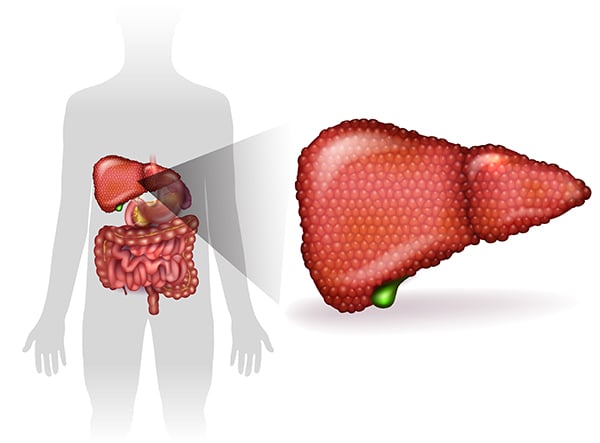
Acute liver failure is a rare but life-threatening condition in which the liver suddenly loses its ability to function, often within days. Because the decline is so rapid, timely recognition and decisive treatment are essential. Effective management relies on quick diagnosis, coordinated care in a hospital setting, and a strong focus on preventing complications.
Diagnosis
Diagnosing ALF starts with recognizing how quickly symptoms develop. People who were previously healthy can suddenly experience fatigue, nausea, abdominal discomfort, and noticeable yellowing of the skin or eyes. As the liver fails, its ability to clear toxins diminishes, often leading to confusion or changes in consciousness. Doctors typically rely on:
- Tests that check liver enzymes, bilirubin, and how well your blood clots. A prolonged clotting time alongside mental status changes is a hallmark of ALF.
- Assessment of brain function, since early signs of hepatic encephalopathy may be subtle.
- Imaging, most often an ultrasound, to rule out structural or blood flow issues.
- Targeted testing to identify causes such as infections, drug toxicity, autoimmune disease, or metabolic disorders.
Prompt diagnosis is crucial, as early intervention directly influences outcomes.
Treatment
Once ALF is identified, treatment begins immediately, typically in an intensive care setting. The goal is twofold: address the underlying cause and stabilise the patient. Common treatment approaches include:
- Stopping liver-toxic substances, such as certain medications or herbal supplements, if they are suspected contributors.
- Antidotes, such as specific therapies for acetaminophen toxicity or treatments for viral hepatitis or autoimmune liver injury.
- Close monitoring of vital functions, blood chemistry, and neurological status.
- Organ support, such as managing fluids, medications to maintain blood pressure, and measures to protect the brain from swelling.
In the most severe cases, liver transplantation becomes the definitive life-saving option. Early evaluation at a transplant-capable centre is often essential.
Future Treatment Directions
Ongoing research is looking for new treatments for ALF and methods to lower the need for liver transplantation. Emerging areas include:
● Bio-artificial liver devices, designed to safely bridge patients to recovery or transplant.
● Cell-based therapies, using hepatocyte-like cells to temporarily take over key liver functions.
● Improved biomarkers to predict recovery or deterioration more accurately.
These innovations aim to provide more time, more precision, and more paths to survival.
Management of Complications
Complications develop quickly in ALF, making vigilant management vital. Common issues include:
- Brain swelling (cerebral edema), managed through head elevation, careful fluid control, and medications to reduce pressure.
- Bleeding tendencies, due to impaired clotting factor production, often require clotting support.
- Infections, to which patients with ALF are particularly vulnerable, require early detection and treatment.
- Kidney failure, which may require dialysis support.
Preventing and treating complications early is fundamental to improving survival.
Supportive and Preventive Care
Supportive care forms the backbone of ALF management. This includes:
- Maintaining stable blood pressure and electrolytes
- Ensuring adequate nutrition
- Protecting the airway in patients with reduced consciousness
- Monitoring for signs of infection
- Managing pain and discomfort safely, without medications that are harmful to the liver
Preventive strategies during hospitalisation, such as reducing sedative use, maintaining strict hygiene, and closely tracking neurological changes, can make a meaningful difference.
Prevention
While not all causes of ALF are preventable, many cases can be avoided through simple, proactive measures:
- Using medications safely, especially acetaminophen, and avoiding accidental overdose.
- Getting vaccinated for hepatitis viruses is recommended.
- Avoiding high-risk behaviours that increase the chance of viral hepatitis.
- Being cautious with supplements, herbal products, and alternative remedies, many of which can be unexpectedly toxic to the liver.
- Regular health check-ups when taking long-term medications that can affect the liver.
Awareness remains one of the most powerful tools in reducing risk.