 Health
  Find a
  Book an
 What are the 10 Signs of Low Potassium?
January 23, 2026
Low blood potassium levels are known as hypokalemia. Potassium is necessary for your body’s proper operation. You obtain potassium from the food you eat. When you take laxatives, vomit, or have diarrhoea, your digestive tract loses too much potassium, which can lead to low potassium levels. Additional factors include some drugs, as well as several hereditary and adrenal disorders.
The mineral called potassium is necessary for every bodily process. It aids in the movement of waste and nutrients among your cells and supports a healthy heart, muscles, and nerves.
Potassium is an electrolyte. As minerals dissolve in your body’s fluids, they become electrolytes and acquire an electric charge. In order for your muscles, nerves, and cells to work properly, your body needs potassium. The foods you eat provide potassium to your body. For the mineral balance in your body to remain in equilibrium, your kidneys eliminate extra potassium through urine (pee).
Low Potassium Levels
When a person’s body contains abnormally low amounts of potassium, it is known as potassium deficiency. Hypokalemia is another name for it.
When the potassium level in your blood is abnormally low, it is called hypokalemia. Adults typically have potassium levels between 3.5 and 5.2 mEq/L (3.5 to 5.2 mmol/L). Potassium is considered severely low when the potassium levels become less than 3 mEq/L (3 mmol/L).
Causes
The most common cause of low blood potassium is excessive potassium loss in the digestive system. This could be the result of laxative use, diarrhoea, or regular vomiting.
- Low potassium can also result from eating disorders like bulimia nervosa.
- Hyperhidrosis, or excessive perspiration.
- Problematic alcohol consumption.
- Diuretics (water pills). Diuretics can lead to excessive potassium excretion in the urine.
- Additional drugs, including corticosteroids, insulin, and some antibiotics.
- Adrenal diseases, including Cushing’s syndrome and primary aldosteronism.
- Chronic renal illness.
- Hypomagnesemia, or low magnesium levels.
- A few renal diseases, including Gitelman syndrome and Bartter’s syndrome. These are uncommon hereditary kidney diseases that lead to bodily abnormalities.
- Additional illnesses include Liddle syndrome, an uncommon ailment that raises blood pressure.
10 Signs of Low Potassium
The following are the main symptoms of low potassium levels in your body:
- Weakness and Exhaustion: Weariness and weakness are frequently the initial indications of potassium insufficiency. In the first place, potassium controls how muscles contract. Your muscles contract less forcefully when your blood potassium levels are low. Secondly, an insufficiency of this mineral could influence the way your body utilizes nutrition, thus leading to weariness.
- Cramping and Weakening of the Muscles: Potassium aids in the transmission of brain signals that cause skeletal muscle contractions. Low blood potassium levels impair the brain’s ability to transmit these impulses. This is assumed to be a contributing factor to muscle cramps as it causes longer contractions. Potassium plays a key role in starting and stopping muscle contractions. This balance can be upset by low blood potassium levels, which can result in cramps and long, uncontrollable contractions.
- Digestive Issues: Potassium facilitates brain-to-muscle communication, which is vital for digestion. Low potassium levels can cause the digestive system’s contractions to weaken and cause food to move more slowly. Insufficient potassium can disrupt normal digestion by reducing muscle contractions in the gut, potentially causing bloating and constipation.
- Abnormal Heartbeat: Your heart rate is mostly controlled by potassium. This is so because potassium’s movement into and out of heart cells aids in heartbeat regulation. A heart arrhythmia, or irregular heartbeat, may result from extremely low potassium levels and may indicate a dangerous cardiac problem.
- Breathing Troubles: You may have shortness of breath if your blood potassium levels are really low because your lungs may not react to oxygen adequately. A severe potassium deficit might potentially cause death by stopping the lungs from functioning. Low potassium levels can lead to shortness of breath, as the mineral is essential for proper lung expansion and contraction.
- Numbness and Tingling: Persistent tingling and numbness can also occur in those with potassium insufficiency. A healthy nervous system depends on potassium. Insufficient potassium in the blood may interfere with nerve communication, resulting in sensations like numbness and tingling that suggest nerve dysfunction.
- Polyuria, or the need to urinate frequently: Peeing more than normal is a symptom of polyuria. The kidneys eliminate waste from your body through urine and maintain proper levels of fluid and electrolytes in your body. Your kidneys’ capacity to control the fluid and electrolyte balance in your body may occasionally be compromised by low potassium levels. You can, therefore, experience an increased urge to urinate. Lower potassium levels can be caused by excessive urine.
- Elevated Blood Pressure: To keep blood pressure within normal ranges, electrolyte balance must be ideal.Potassium aids in the kidneys’ excretion of extra sodium through urine. Insufficient potassium causes the kidneys to reabsorb sodium back into the bloodstream, which, over time, may raise blood pressure.
- Increased Thirst or Polydipsia: Your body’s fluid and electrolyte balance is maintained by the kidneys. Polydipsia, or excessive thirst, can be brought on by low potassium levels. Low potassium might occasionally affect your kidneys’ capacity to control the fluid and electrolyte balance in your body.
- Upset Stomach: Your bowel movements may become irregular if your potassium levels are low. Painful cramps, bloating, and constipation may result from low potassium levels in the body.
Complications
Issues like the following can arise from a severe or protracted potassium shortage:
- Permanent renal damage
- Heart arrhythmias
- Elevated blood pressure
An extremely low level of potassium may be fatal.
Diagnosis
Low potassium is diagnosed mainly through a blood test.
- Blood test: Measures potassium levels.
- Normal: 3.5–5.2 mmol/L
- Mild low potassium: 3.0–3.4 mmol/L
- Moderate to severe: below 3.0 mmol/L
- Metabolic panel: Checks kidney function and electrolyte balance.
- Urine test: Helps find out if potassium is being lost through urine.
- ECG (EKG): Checks heart rhythm, as low potassium can cause abnormal heartbeats.
- Medical history: The doctor reviews illnesses, medications, and related health issues to find the cause.
These tests confirm low potassium and help plan treatment.
Treatment
Treatment for low potassium depends on how low the levels are and the cause.
Potassium Supplements
If the condition is mild, doctors usually prescribe potassium tablets or pills taken by mouth. These supplements help raise potassium levels slowly and safely. Supplements should only be taken as advised by a doctor, as too much potassium can be harmful.
Intravenous (IV) Potassium
If potassium levels are very low or symptoms are serious, potassium may be given through a vein (IV) in a hospital. This is done when:
- Potassium levels are extremely low
- Heart rhythm problems occur
- Oral supplements do not work
- The body is losing potassium quickly
Patients receiving IV potassium are closely monitored.
Treating the Cause
Doctors also treat the underlying cause of low potassium. If certain medicines, such as diuretics, are responsible, the doctor may:
- Change the medicine
- Switch to a potassium-sparing diuretic
- Prescribe extra potassium supplements
Potassium-Rich Foods
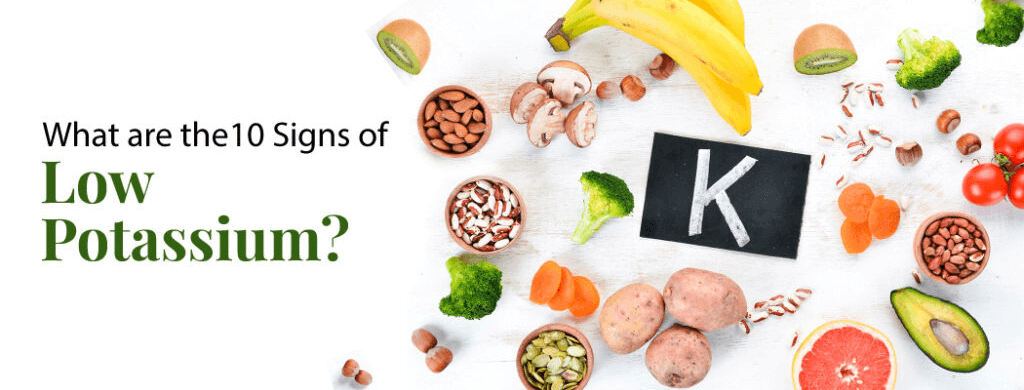
Eating foods high in potassium can help treat and prevent low levels. These include:
- Bananas
- Avocados
- Baked potatoes
- Spinach
- Tomatoes
- Beans and peas
- Carrots
- Oranges
- Milk
- Peanut butter
Recovery Time
Potassium levels may take several weeks to return to normal. Severe cases treated with IV potassium may improve within a few days.
Proper treatment helps restore potassium levels and prevents serious complications.
Conclusion
Low potassium can lead to issues with muscular function, digestion, and heart health, among other bodily functions. Effective management of low potassium requires awareness of its symptoms, comprehension of its cause, and the timing of seeking medical attention when necessary.
Potassium levels may be raised using dietary modifications and pharmaceutical procedures. The core reason for low potassium must be identified and treated, though, which means consulting a healthcare provider. Low potassium is treatable, and potential issues can be prevented with appropriate care.
Frequently Asked Questions
1. Can you die from low potassium?
Yes. A significant lack of potassium, referred to as hypokalemia, can be life-threatening and potentially trigger sudden cardiac arrest.
2. Is low potassium a sign of cancer?
Hypokalemia, or low potassium levels, is not a direct indicator of cancer, but it can occur as a side effect of certain cancers and their treatments.
3. How can my doctor determine whether my potassium levels are low?
To determine whether you have hypokalemia, your doctor will need to run a blood test. They’ll enquire about your medical background. They’ll want to know if you’ve ever experienced diarrhea or vomiting as a result of an illness. They will inquire about any underlying medical concerns you may be experiencing.