 Health
  Find a
  Book an
 Head Injury: Causes, Symptoms, Types, & Prevention
March 3, 2026
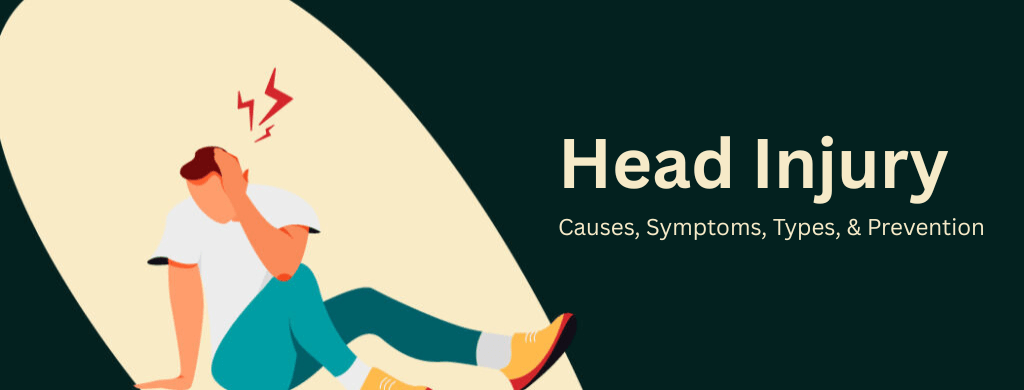
Head injuries are a common occurrence, and they can range from minor to severe. A head injury occurs when there is trauma or damage to the skull or brain. It’s important to recognise the symptoms of a head injury and seek medical attention promptly to prevent further complications. In this article, we will discuss what a head injury is, the symptoms, causes, risk factors, types, diagnosis, treatment, prevention, when to see a doctor, and who to consult.
What is a Head Injury?
A head injury happens when the scalp, skull, or brain sustains trauma or damage. Head injuries may be as mild as a bump or bruise, or as severe as a traumatic brain injury (TBI). Severe traumatic brain injuries (TBIs) may result in irreversible brain damage or prove fatal. Head injuries can happen from a variety of causes, such as falls, sports injuries, car accidents, or physical violence.
Symptoms
A head injury can affect the body and brain in different ways. Some signs are mild and short-term. Others can be serious and need urgent care. Symptoms may appear right away or develop later. So, always observe the person for a few days after the injury.
Early Warning Signs
After a mild head injury, a person may notice:
- Pain at the spot where the head was hit
- A bump, swelling, or bruise
- Mild headache
- Feeling dizzy or lightheaded
- Nausea
- Slight confusion or feeling “foggy”
- Tiredness or unusual sleepiness
- Sensitivity to light or loud sounds
These symptoms usually improve with rest.
Changes in Thinking and Behavior
Head injuries can also affect the brain’s normal function. A person may experience:
- Trouble remembering things
- Difficulty concentrating
- Mood changes such as irritability or sadness
- Balance problems
- Blurred or double vision
- Ringing in the ears
If these problems continue or worsen, medical advice is important.
Emergency Symptoms
Some signs show that the injury may be serious. Seek immediate medical help if the person has:
- Loss of consciousness
- Severe or increasing headache
- Repeated vomiting
- Seizures
- Slurred speech
- Weakness in the arms or legs
- Unequal pupil size
- Clear fluid or blood coming from the nose or ears
- Severe confusion or unusual behavior
Quick medical care can prevent further damage and protect brain health.
Causes
Head injuries can happen from a variety of causes, including:
- Falls: Head injuries most often result from falls, especially in young children and the elderly.
- Sports injuries: Activities like football, hockey, and soccer, which involve contact, often heighten the chances of head injuries.
- Car accidents: Car accidents are a common cause of head injuries, especially if the person is not wearing a seatbelt.
- Physical violence: Physical assault, domestic violence, and child abuse can lead to head injuries.
- Explosive blasts: Military personnel and civilians in war zones may suffer head injuries from explosive blasts.
Risk Factors
Certain factors can increase the risk of head injuries, including:
- Age: Young children and older adults are more prone to head injuries.
- Gender: Men are more likely to sustain head injuries than women.
- Occupation: People who work in high-risk jobs like construction or the military have an increased risk of head injuries.
- Sports participation: Contact sports increase the risk of head injuries.
- Alcohol or drug use: Substance abuse increases the risk of accidents that can lead to head injuries.
Types
- Concussion: A concussion refers to a mild brain injury that happens when an impact or sudden motion disturbs the brain’s normal function inside the skull. Concussions are often caused by blows to the head or sudden jerking movements of the head and neck. A concussion may cause symptoms such as headaches, light or noise sensitivity, dizziness, memory issues, and confusion.
- Contusion: A contusion is a brain injury that develops when a direct impact to the head causes the brain to become bruised. Brain contusions may result in bleeding and swelling, which can trigger symptoms like headaches, dizziness, nausea, and fainting.
- Skull fracture: Skull fractures may vary from minor to severe and can lead to symptoms like headaches, nose or ear bleeding, and swelling or tenderness at the injury site.
- Hematoma: A hematoma is a head injury that develops when blood collects within the brain or in the tissues around it. Hematomas can be caused by a blow to the head or by a blood-clotting disorder. Symptoms of a hematoma can include headache, nausea, confusion, and loss of consciousness.
- Diffuse Axonal Injury: Diffuse axonal injury (DAI) is a brain injury that happens when sudden twisting or shaking forces cause the brain to move inside the skull. This injury can severely damage the brain’s nerve fibers, resulting in symptoms like paralysis, coma, and cognitive difficulties.
- Intracranial Hemorrhage: Intracranial haemorrhage is a type of head injury that occurs when blood vessels within the brain rupture, causing bleeding into the brain tissue. This can be caused by trauma, an aneurysm, or other medical conditions. Symptoms of intracranial haemorrhage can include headache, confusion, and loss of consciousness.
Some head injuries may combine different types, and their seriousness can vary significantly depending on the specific situation. The doctor will carry out a physical examination and might use imaging tests, such as a CT scan or MRI, to evaluate the injury’s extent and location.
Diagnosis
Doctors diagnose a head injury through a physical exam and medical tests. Sometimes, the full damage is not clear right after the injury, so doctors may observe the patient for some time.
First, the doctor asks how the injury happened and when the symptoms started. They check for loss of consciousness, confusion, dizziness, or memory problems. The doctor also examines the head and neck for swelling, bruises, or cuts.
A neurological exam helps check brain function. The doctor tests memory, balance, eye movement, muscle strength, and alertness. They may also apply a scoring method called the Glasgow Coma Scale (GCS) to check how severe the head injury is.
If needed, doctors may suggest tests such as blood tests, X-rays, CT scans, MRI scans, or an EEG. These tests help detect fractures, bleeding, swelling, or other brain problems.
Early diagnosis helps ensure proper treatment and reduces the risk of complications.
Treatment
Treatment for a head injury depends on how serious it is. Doctors decide the treatment based on the type of injury, symptoms, and overall health of the patient.
Mild Head Injury
Most mild injuries can be treated at home.
- Take proper rest.
- Avoid sports and heavy physical activity.
- Use an ice pack to reduce swelling.
- Take acetaminophen for pain if advised by the doctor.
Do not take aspirin or ibuprofen unless your doctor allows it. These medicines can increase the risk of bleeding.
If there is a cut, the doctor may clean it and use stitches or staples. Always watch for new or worsening symptoms and seek medical help if needed.
Moderate to Severe Head Injury
Serious injuries need hospital care. Doctors focus on preventing bleeding and reducing pressure inside the skull.
Treatment may include:
- Close monitoring in the hospital
- Medicines to reduce brain swelling
- Anti-seizure medicines
- Oxygen support or a breathing machine in critical cases
- Surgery to remove blood clots, repair skull fractures, or reduce pressure
In some severe cases, doctors may use strong medicines to allow the brain to rest and heal.
Rehabilitation
After a serious injury, some people may need rehabilitation. This may include:
- Physical therapy to improve movement
- Speech therapy to improve communication
- Occupational therapy to regain daily skills
Early treatment and proper care help reduce complications and support faster recovery.
Prevention
Although head injuries cannot always be avoided, certain precautions can help lower the risk, such as:
- Wear a helmet: Wear a helmet while participating in sports or riding a bike or a motorcycle.
- Buckle up: Always wear your seatbelt when driving or riding in a car.
- Childproof your home: Childproof your home to prevent falls and other accidents that can lead to head injuries.
- Use caution with alcohol or drugs: Avoid using drugs or alcohol before participating in activities that increase the risk of head injuries.
- Practice safe driving: Follow traffic laws and avoid distracted driving to reduce the risk of car accidents.
When to See a Doctor
If you think you have a head injury, seek medical care immediately. Even if the injury seems mild, it’s important to get it checked out to prevent further complications. You should see a doctor or go to the emergency room immediately. Based on the injury’s severity and location, consulting a neurologist or another specialist may be necessary for additional care.
In conclusion, head injuries can range from mild to severe and can happen from a variety of causes. It’s important to recognise the symptoms of a head injury and seek medical attention promptly to prevent further complications. Taking steps to prevent head injuries can also reduce your risk. If you suspect a head injury, see a doctor or go to the emergency room right away.
Frequently Asked Questions
1. What causes sudden death after a head injury?
Sudden death after a head injury can result from increased intracranial pressure, brain bleeding (hematomas), swelling (edema), or damage to vital brain areas like the brainstem. Other contributing factors include lack of oxygen, infections, seizures, and second impact syndrome. Prompt medical attention is critical for survival.