 Health
  Find a
  Book an
 How to Increase Lung Capacity: Breathing Exercises, Yoga Techniques & Tips
March 4, 2026
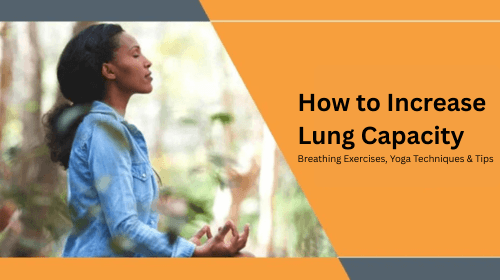
Have you noticed that when you work hard, you are also panting? Any type of physical exertion makes your chest heave for breath. Have you wondered why?
The reason is simple. Our body needs oxygen to burn glucose to produce the energy needed for any activity. The greater the exertion, the greater the need for oxygen, and your chest muscles and diaphragm work extra hard to inhale more oxygen and exhale more carbon dioxide while your heart pumps harder to reach oxygen-rich blood to the muscles. Over time, as your fitness improves, working out becomes easier, and your breathing will not be as laboured as when you started exercising. That is because any exercise or physical activity also gives your heart and lungs a workout, making them stronger and more efficient.
Ways to Increase Your Lung Capacity
Simple exercises and healthy habits can strengthen your lungs and improve overall respiratory health.
Weight Training
Weight training is a widely practiced form of strength training aimed at increasing muscle size and strength. It uses the force of gravity through equipment like barbells, dumbbells, and weight machines to counter the force produced by your muscles during concentric and eccentric movements. It relies on different types of specialised tools designed to work specific muscles and support controlled movement patterns.
Aerobic Benefit for the Lungs
Aerobic activities like walking, running, or jumping rope give your heart and lungs the kind of workout they need to function efficiently. Regular aerobic exercise increases your heart rate, makes your lungs work harder, and, over time, improves lung efficiency and oxygen uptake.
You Are Only as Healthy as Your Lungs
Your efficiency and health depend on the capacity of your lungs. When your lungs are working fine, as in your youth, you can dance through any amount of physical exertion. As you age, various factors contribute towards limiting lung capacity, but with a little help, you can maintain your lungs at or near peak capacity.
Lung capacity naturally begins to decline after the age of 35, and this can be accelerated by asthma, COPD, pollution, or smoking. Limited lung capacity may lead to shortness of breath, fatigue, and restricted activity. Practising lung exercises keeps the respiratory muscles strong and helps maintain healthy oxygen levels.
Lung Exercises for Better Health
There are specific ways to improve your lung capacity and strength. These simple exercises will promote lung health and optimize their capacity. Lung exercises work by clearing out stale trapped air, improving oxygen exchange, and training the diaphragm the main muscle responsible for breathing.
Diaphragmatic Breathing
- Gently relax your shoulders and settle into a comfortable seated or lying position.
- Place one hand on your abdomen and the other on your chest.
- Inhale through your nose for two seconds, letting your belly expand as air enters your abdomen, so that it rises more than your chest.
- Exhale for two seconds through pursed lips while gently pressing on your abdomen.
- Repeat the cycle.
Additional Insight: Diaphragmatic breathing retrains your diaphragm to do most of the breathing work, especially useful for individuals with COPD or asthma. It improves oxygen exchange, strengthens respiratory muscles, and enhances breathing efficiency over time.
Belly Breathing
- Place your hand on your belly and chest.
- Breathe in by moving your stomach out.
- Your stomach should move out more than your chest.
- Slowly breathe out through your mouth.
- Repeat
Additional Insight: Belly breathing helps maximise lung expansion, improves diaphragm control, and allows fuller inhalation and exhalation. Practising this regularly can help reduce breathlessness during physical activity.
Pursed-Lip Breathing
This exercise slows your breathing and helps maintain open airways for improved airflow. More air flows in and out of your lungs, making breathing easier.
How to do it:
- Breathe in slowly through your nose.
- Purse your lips as if you are about to blow a whistle.
- Exhale through pursed lips for at least twice as long as you inhale.
This technique is especially beneficial for people with asthma and COPD.
Stop Smoking
Smoking is a major cause of respiratory problems and can seriously harm the lungs. When a person quits smoking, the lungs slowly begin to heal.
Without the harmful chemicals from tobacco smoke, lung tissues start to recover. This reduces inflammation in the airways and makes breathing easier.
Quitting smoking also slows the loss of lung function. Over time, the airways become clearer and produce less mucus, which improves lung capacity.
It also lowers the risk of serious lung diseases such as chronic obstructive pulmonary disease (COPD) and lung cancer. The longer a person remains smoke-free, the healthier their lungs become.
Maintain Healthy Vitamin D Levels
Vitamin D is essential for maintaining good respiratory health. Studies suggest that proper vitamin D levels may help reduce the risk of certain respiratory illnesses.
Vitamin D helps regulate the immune system and supports a balanced inflammatory response in the lungs. This can reduce airway inflammation, which may otherwise make breathing more difficult.
Adequate vitamin D levels may also lower the risk of respiratory infections such as colds, flu, and pneumonia. These infections can temporarily affect lung function.
Although vitamin D may not directly increase lung capacity, maintaining sufficient levels can support overall lung health. You can get vitamin D through sunlight exposure, vitamin-rich foods, or supplements.
Alternate Nostril Breathing (Yoga-Based Technique)
This yoga practice helps improve airflow, increases lung efficiency, and enhances relaxation.
- Close one nostril, inhale through the other.
- Switch sides, exhale, then inhale.
- Continue alternating for 3–5 minutes.
Yoga for Healthier Lungs
Yoga offers many benefits for your lungs. Various asanas strengthen chest muscles, increase lung capacity, and boost oxygen intake. They promote abdominal and chest breathing while strengthening muscles and improving posture.
Additional Yoga-Based Practices That Enhance Lung Capacity:
- Box Breathing: Inhale–hold–exhale–hold for counts of four.
- Pranayama Techniques: Such as Anulom Vilom and Kapalbhati to improve ventilatory efficiency.
- Chest-Opening Poses: Bridge pose, Camel pose, and Cobra pose encourage full lung expansion and better airflow.
Rib Stretch
A simple technique that expands your chest and improves lung elasticity.
- Stand straight, place hands on hips.
- Inhale deeply until your chest expands.
- Hold for 10–20 seconds.
- Exhale slowly.
Repeat.
Humming and Singing
Humming during exhalation increases nitric oxide levels, improves sinus ventilation, reduces inflammation, and helps relax airways. Singing also promotes deep breathing, increases lung capacity, and strengthens respiratory muscles.
Staying Hydrated
Drinking enough water is just as essential for your lungs as it is for the rest of your body. Staying hydrated keeps the mucosal linings in your lungs thin, allowing them to function more efficiently.
Additional Tips for Maintaining Lung Health
- Quit smoking and avoid exposure to pollution.
- Enhance indoor air quality by minimising dust, mould, and artificial fragrances.
- Keep a proper posture to allow your lungs to expand completely.
- Practice daily breathing exercises for 5–10 minutes.
- Include moderate exercise like walking or cycling to improve lung efficiency.
- Get flu and pneumonia vaccinations to prevent infections.
Make Lung Wellness a Daily Habit
Try these simple exercises, learn yoga from a trained instructor, and stop smoking. Improve your lung health and strength to breeze through life with a smile on your lips.
With regular practice, lung-strengthening exercises can increase your lung capacity, improve breathing efficiency, and enhance your stamina at any age. Those with existing respiratory issues should consult a doctor before starting new exercises.