 Health
  Find a
  Book an
 Ventricular Fibrillation: Symptoms, Causes and Treatment
February 20, 2026
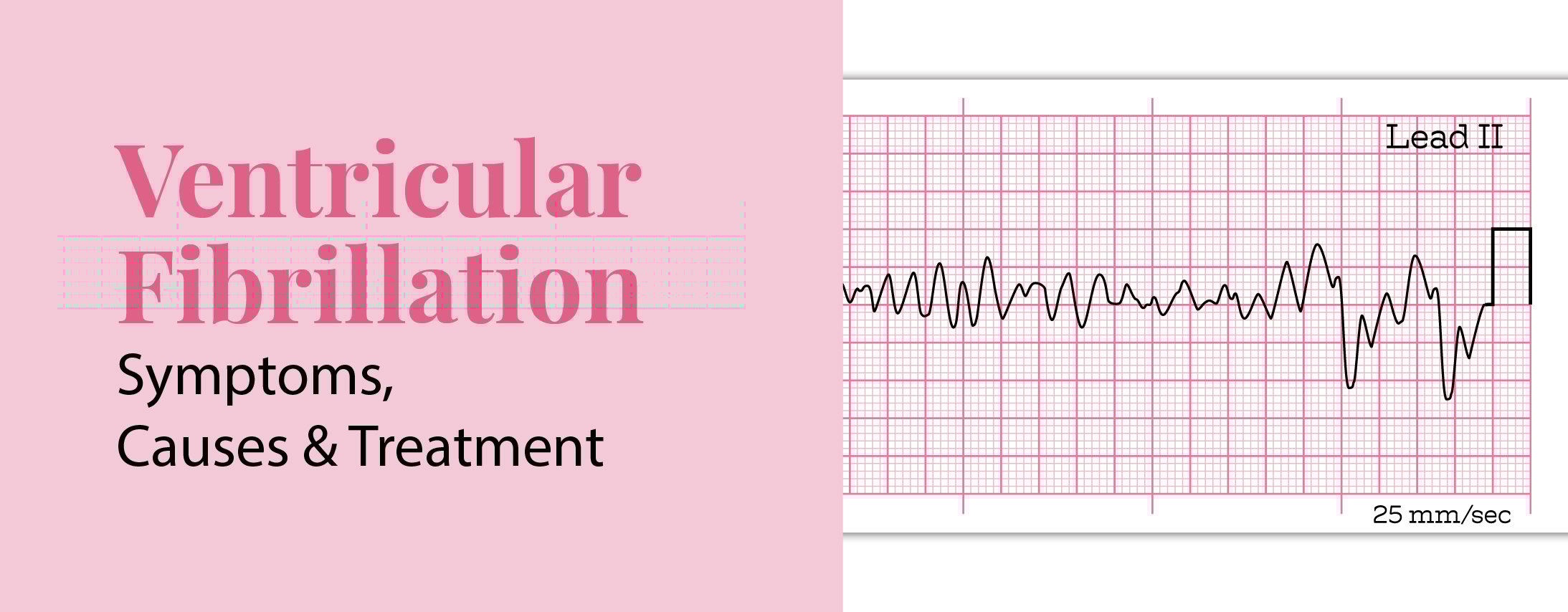
To function properly, the heart requires a precise electrical system. Ventricular fibrillation (VF) is one of the most dangerous conditions that can arise when this process fails. If left untreated, this potentially dangerous heart rhythm irregularity could lead to a sudden cardiac arrest. Ventricular fibrillation is a type of abnormal heart rhythm in which the lower chambers of the heart, or ventricles, pulse rapidly and wildly rather than effectively pumping blood. This causes a dramatic decrease in blood flow, depriving the brain and other vital organs of oxygen. If not addressed, VF can result in sudden cardiac death within minutes.
Symptoms
VF often develops suddenly and progresses quickly. Some of the common symptoms include:
- Sudden collapse – A person experiencing VF may suddenly lose consciousness.
- Loss of pulse and breathing – Since the heart is unable to pump blood properly, the person may stop breathing.
- Chest pain – In some cases, individuals may experience chest discomfort before VF occurs.
- Dizziness or fainting – Due to inadequate blood flow to the brain, dizziness or loss of consciousness may occur.
- Rapid or irregular heartbeat – Some individuals may feel palpitations before VF begins.
If someone experiences these symptoms or collapses suddenly, immediate medical attention is critical.
Causes
Several factors can trigger Ventricular Fibrillation, including:
- Heart Disease – Heart conditions such as coronary artery disease, heart attacks, and heart failure can raise the risk of ventricular fibrillation (VF).
- Electrolyte Imbalances – Imbalanced blood levels of potassium, calcium, or magnesium can interfere with the heart’s electrical activity.
- Severe Heart Damage – Scarring from previous heart attacks or heart surgeries can interfere with normal electrical conduction.
- Drug Abuse or Medication Side Effects – Certain drugs, especially stimulants, can trigger arrhythmias.
- Electrical Shock or Trauma – Severe electrical shocks can interfere with heart rhythms and lead to VF.
- Congenital Heart Conditions – Some people are born with heart abnormalities that make them more susceptible to arrhythmias.
Diagnosis
Ventricular fibrillation is usually diagnosed in an emergency because the condition causes sudden collapse and loss of consciousness. A healthcare provider quickly checks the person’s pulse, breathing, and responsiveness. In most cases, there is no pulse during ventricular fibrillation. Immediate medical attention is very important to save a life.
The main test used to confirm ventricular fibrillation is an electrocardiogram (ECG). This test records the electrical activity of the heart using small sticky patches placed on the chest, arms, or legs. The ECG shows very fast and irregular heartbeats, often around 300 to 400 beats per minute. Doctors may also detect ventricular fibrillation through a heart monitor or an implanted heart device during cardiac arrest.
After stabilizing the patient, doctors perform additional tests to find the underlying cause. These may include:
- Blood tests to check for heart damage or enzyme levels released during a heart attack.
- Chest X-ray to examine the size and shape of the heart and blood vessels.
- Echocardiogram to create moving images of the heart and evaluate its structure and function.
- Coronary angiography (cardiac catheterization) to identify blockages in the heart arteries.
- Cardiac CT scan or MRI to obtain detailed images of the heart and blood flow.
The doctor also reviews the patient’s medical history, existing health conditions, medications, and family history to understand possible causes. Quick diagnosis and treatment are essential to improve survival and prevent complications.
Treatment
Since VF is a medical emergency, immediate action is required to restore normal heart rhythm. The main treatment options include:
1. Cardiopulmonary Resuscitation (CPR)
CPR is the first line of treatment when someone experiences VF. Performing chest compressions helps maintain blood circulation until further medical assistance arrives.
2. Defibrillation
A defibrillator sends an electric pulse to the heart to bring its rhythm back to normal. Automated External Defibrillators (AEDs) are available in many public places and can be used by bystanders during an emergency.
3. Medications
Doctors may administer antiarrhythmic drugs to help stabilise the heart’s rhythm and prevent further episodes of VF.
4. Implantable Cardioverter-Defibrillator (ICD)
For individuals at high risk of VF, an ICD may be implanted in the chest to monitor heart rhythm and deliver shocks if an abnormal rhythm is detected.
5. Lifestyle and Preventive Measures
To reduce the risk of VF, individuals should:
- Maintain a heart-healthy diet
- Exercise regularly
- Manage stress effectively
- Avoid smoking and excessive alcohol consumption
- Manage existing health issues such as high blood pressure and diabetes.
Complications
Ventricular fibrillation (V-fib) is a dangerous heart condition that can lead to severe complications without prompt treatment. During V-fib, the heart beats in a rapid and chaotic way, preventing it from pumping blood effectively. This sudden loss of blood flow can damage vital organs, including the brain, kidneys, and liver.
Without urgent medical care, V-fib can lead to sudden cardiac death within minutes. Survivors of a V-fib episode may face ongoing health challenges, such as fainting, poor blood circulation, or permanent organ damage. Some people may even experience long-term neurological problems or remain in a coma.
Treatment itself may also have side effects. Medications used to control abnormal heart rhythms can cause reactions in some people, and implanted devices like defibrillators may deliver painful shocks when activated.
The risk of complications depends largely on how quickly V-fib is recognised and treated. Early intervention can prevent severe damage and improve the chances of survival and recovery.
Conclusion
Ventricular fibrillation is a potentially lethal condition that must be treated immediately. Knowing the symptoms, causes, and accessible therapies can help save lives. People who are at risk should take efforts to protect their hearts, and early CPR and defibrillation are critical in emergencies. If you or someone you know is at high risk of developing cardiac problems, regular check-ups with a healthcare practitioner are essential for early detection and therapy.
Frequently Asked Questions
1. Is Ventricular Fibrillation the same as a heart attack?
No, a heart attack occurs due to a blockage in blood flow to the heart, while VF is an electrical disturbance that causes the heart to stop pumping blood.
2. How is Ventricular Fibrillation diagnosed?
Ventricular Fibrillation is usually diagnosed in emergencies through an electrocardiogram (ECG) and clinical symptoms. If a person collapses, emergency responders can quickly confirm VF using a defibrillator.
3. What should I do if someone collapses due to Ventricular Fibrillation?
Call emergency services immediately, begin CPR, and use an Automated External Defibrillator (AED) if available.