 Health
  Find a
  Book an
 Types of Headaches and How to Prevent Them
July 30, 2025
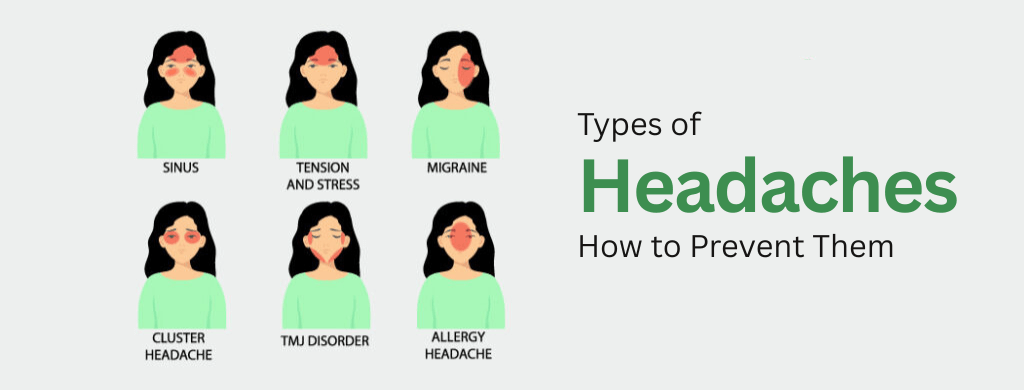
Headaches are one of the most common medical complaints around the world. Almost everyone experiences a headache at some point in their lives. There are many different types of headaches, and each can have its own cause and treatment.
Types of Headache
Headaches can vary in severity, duration, and underlying causes. Understanding different types of headaches can help identify triggers and determine the most effective treatment options. Below are some common types of headaches and their characteristics.
Tension Headache
Tension headaches are the most frequently experienced form of headache. They result from tight or strained muscles in the neck, scalp, and jaw areas. They’re caused by muscle tension in the neck, scalp, and jaw. Common triggers of tension headaches include stress, improper posture, and anxiety. Relaxation techniques, including deep breathing exercises, yoga, and massage therapy, can also help to relieve muscle tension and alleviate headaches.
Migraines
Migraines are severe headaches typically marked by a throbbing sensation on one or both sides of the head. They are often accompanied by symptoms like nausea, vomiting, and heightened sensitivity to light and sound. These headaches result from changes in brain activity and blood flow around the brain. Triggers such as stress, hormonal shifts, and specific foods or beverages can provoke migraine episodes. Treatment approaches differ, but adopting a healthy lifestyle including regular physical activity, balanced nutrition, and effective stress management can help lessen both the frequency and severity of migraine attacks.
Cluster Headache
Cluster headaches are rare but very severe headaches that occur in clusters, usually for several weeks or months at a time. They’re often described as a sharp, stabbing pain on one side of the head and can be accompanied by other symptoms, such as redness, tearing, and congestion of the affected eye. The underlying cause of cluster headaches isn’t fully understood, though they may be associated with disruptions in the body’s circadian rhythm or imbalances in certain brain chemicals. Treatment for cluster headaches may include high-flow oxygen therapy, prescription medications, or nerve stimulation techniques.
Sinus Headache
Sinus headaches develop when the sinus cavities near the eyes and nose become inflamed or infected. They’re often described as a deep, throbbing pain in the forehead, cheeks, or nose. Additional symptoms can include nasal congestion or discharge, elevated body temperature, and swelling in the facial area. Decongestants and nasal sprays may also be used to help clear the sinuses and reduce inflammation.
Rebound Headache
Rebound headaches can arise from the excessive use of headache medications, causing headaches to return more frequently. They’re often described as a dull, constant ache that can be difficult to relieve. Rebound headaches can occur in people who take pain relievers for headaches more than three times a week for several months. The best treatment for rebound headaches is to stop taking the pain medications that are causing them. A healthcare professional may also recommend alternative pain management strategies to help manage the pain.
Hormonal Headache
Hormonal headaches are typically associated with changes in hormone levels in the body. They commonly occur in women during menstrual cycles, pregnancy, and menopause. These headaches are often treated with pain relievers, hormone therapy, or birth control pills.
Cervicogenic Headache
Cervicogenic headaches are caused by problems in the neck, such as poor posture, injuries, or arthritis. They often feel like a dull, aching pain on one side of the head, and may be accompanied by neck pain or stiffness. Treatment for cervicogenic headaches may include physical therapy, chiropractic care, or nerve blocks.
Thunderclap Headache
Thunderclap headaches are a type of headache that comes on suddenly and severely, like a “thunderclap.” They can be a sign of a serious medical condition, such as bleeding in the brain or a ruptured aneurysm. If you experience a sudden, severe headache, seek medical attention immediately.
Exertion Headache
Exertion headaches occur during or after physical activity, such as exercise, coughing, or sex. They are typically caused by increased pressure in the head and neck blood vessels. Treatment may involve rest, hydration, and avoiding activities that trigger the headaches.
It’s important to note that there are many other types of headaches, and each may have its own unique causes and treatment options. If you experience frequent or severe headaches, it’s important to speak with a healthcare professional to determine the best course of treatment for your specific condition.
Ice Pick Headache
Ice pick headaches are brief, intense headaches that feel like a sharp, stabbing pain. They typically last only a few seconds to a minute, but can occur several times a day. The cause of ice pick headaches is unknown, but they may be related to nerve irritation or inflammation. Treatment may include preventive medications, nerve blocks, or lifestyle changes.
Allergy or Sinus Headache
Allergy or sinus headaches occur when the sinuses become inflamed or congested due to allergic reactions or infections. They are typically accompanied by other symptoms, such as a stuffy or runny nose, fever, and facial swelling.
Caffeine Headache
Caffeine headaches occur when someone regularly consumes caffeine and then abruptly stops. They can cause throbbing pain and may be accompanied by other symptoms, such as fatigue, irritability, and difficulty concentrating. Treatment may include gradually reducing caffeine intake or prescribed medications.
Hypertension Headache
Hypertension headaches result from elevated blood pressure levels. They typically feel like a dull, throbbing pain on both sides of the head and may be accompanied by other symptoms, such as dizziness and nausea. Treatment may include lifestyle changes, such as exercise, a healthy diet, and medication to lower blood pressure.
Rebound Headache
Rebound headaches develop due to the frequent or excessive use of pain-relieving medications. They typically occur when someone takes pain relievers for headaches more than three times a week for several months. Treatment involves stopping the use of pain medications and may include alternative pain management strategies.
Post-traumatic Headache
Post-traumatic headaches are caused by head injuries, such as concussions. They typically occur within a week of the injury and may be accompanied by other symptoms, such as dizziness, confusion, and memory problems. Treatment may include rest, medication, and rehabilitation therapy.
Spinal Headache
Spinal headaches are caused by a leak of spinal fluid from the spinal cord or brain. They typically occur after a spinal tap, epidural, or spinal anesthesia. They are characterized by a throbbing pain in the head and neck and may be accompanied by other symptoms, such as nausea and vomiting. Treatment may include rest, hydration, and medication to manage pain.
It’s important to note that these are just a few examples of the many different types of headaches. If you experience frequent or severe headaches, it’s important to speak with a healthcare professional to determine the best course of treatment for your specific condition.
Hemicrania Continua
Hemicrania continua is a persistent, moderate headache that affects one side of the head and lasts for at least three months. It is characterized by continuous pain with occasional periods of increased intensity throughout the day. This rare condition accounts for approximately 1% of all headaches and is most commonly observed in young adults. In addition to the headache, individuals may experience symptoms such as eye redness or tearing, nasal congestion or a runny nose, drooping of the eyelid, forehead sweating, excessive shrinking of the pupil (miosis), and feelings of restlessness or agitation.
Prevention
Preventing headaches starts with understanding their triggers and making lifestyle adjustments to minimize their occurrence. While headache triggers vary from person to person, certain preventive measures can significantly reduce their frequency and intensity.
- Maintain a Consistent Sleep Schedule – Inconsistent sleep patterns, whether too little or too much, can trigger headaches. Take 7-9 hours of restful sleep each night while following a consistent sleep routine.
- Stay Hydrated – Dehydration is a frequent trigger for headaches. Drinking enough water throughout the day helps keep headaches at bay. Reduce excessive caffeine and alcohol intake, as they can contribute to dehydration.
- Follow a Balanced Diet – Skipping meals or consuming trigger foods like processed meats, aged cheese, and artificial sweeteners may lead to headaches. Eating nutritious, well-balanced meals at regular intervals can help prevent them.
- Manage Stress Effectively – Chronic stress can lead to tension headaches and migraines. Relaxation methods like meditation, yoga, or deep breathing exercises can effectively alleviate stress.
- Practice Good Posture – Slouching, particularly during extended screen time or desk work, can strain the neck and shoulders, triggering headaches. Keeping good posture and taking frequent breaks can help prevent headaches.
- Exercise Regularly – Engaging in moderate activities like walking, swimming, or cycling enhances circulation and alleviates stress, helping to prevent headaches. However, avoid overexertion, as it may trigger exertion headaches.
- Identify and Avoid Triggers – Keep a headache diary to track potential triggers such as specific foods, strong odors, bright lights, or weather changes. Recognizing and limiting exposure to these triggers can help decrease the frequency of headaches.
- Seek Medical Guidance for Frequent Headaches – If headaches persist despite lifestyle changes, consulting a healthcare professional can help identify underlying causes and explore preventive treatments, including medications for chronic or severe headaches.
Following these preventive steps can decrease the chances of headaches and promote overall well-being. If headaches become frequent or severe, professional medical advice is essential for effective management.
When to See a Doctor?
See a doctor for headaches that are severe, persistent, or accompanied by fever, stiff neck, numbness or weakness in the limbs, confusion, vision changes, or head injury. Consult a primary care physician or a neurologist.
Frequently Asked Questions
1. What types of headaches should I worry about?
You should seek medical attention for any sudden, severe headache or if you experience a headache that is accompanied by symptoms such as fever, neck stiffness, confusion, weakness, or numbness. You should also see a doctor if you have headaches that are getting worse or more frequent over time, or if your headaches are interfering with your daily life.