 Health
  Find a
  Book an
 Tooth Decay: From Causes to Treatment and Prevention
August 28, 2025
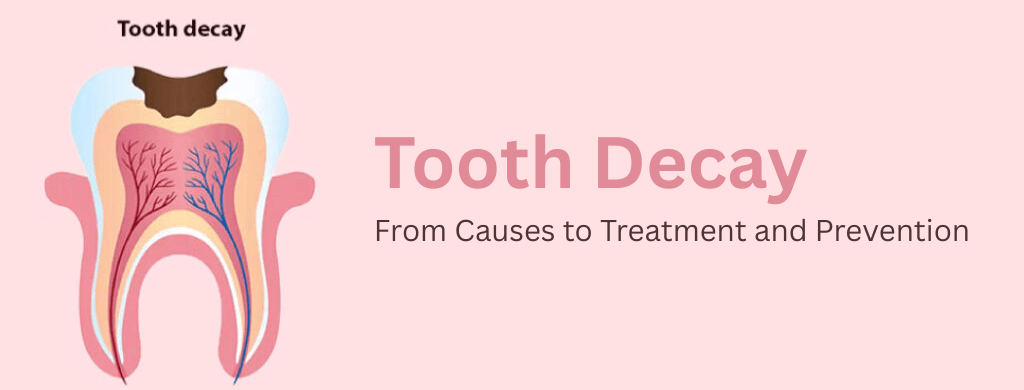
The damage bacteria in your mouth cause to teeth is known as tooth decay. The acids released by these bacteria can erode the tooth’s layers of enamel, dentin, and pulp, which make up its hard outer structure. The damage gets worse the more layers that have degraded.
Tooth decay occurs when carbohydrate-rich foods such as fruits, candies, bread, or milk adhere to the surface of your teeth. Plaque accumulates on your teeth due to bacteria in your mouth breaking down these food fragments and turning them into acid.
Plaque can destroy the enamel coating on your teeth and cause cavities because it is acidic.
Warning Signs
- Sudden tooth pain, especially after consuming cold, hot, or sugary foods or beverages
- Your teeth have dark patches.
- Discomfort while biting
- Cavities
- Bad breath
- Swelling of gums
Root Causes
Tooth decay can be caused by diet and bacteria. Plaque is a transparent, adhesive material that constantly builds up on your teeth and gums. Plaque bacteria survive by consuming the sugars present in your diet.
The bacteria produce acids as they eat. After you eat, the acids continue to damage your teeth for at least 20 minutes. Over time, these acids wear down the enamel, eventually causing dental problems.
Your risk of developing tooth decay increases if you;
- Neglecting regular brushing and flossing of your teeth
- Avoid seeing a dentist for examinations and cleanings.
- Consuming foods heavy in carbs and sugar.
- Have insufficient fluoride intake. Fluoride strengthens teeth’s resistance to the acids that plaque produces, hence preventing tooth decay.
- Lack sufficient saliva. Saliva helps keep your teeth free from decay by washing away food particles and dangerous substances. Some medical disorders, certain medications, and mouth breathing can all contribute to dry mouth.
- are diabetic.
- Chew tobacco, smoke, or be in an area of smoke.
Risk Factors
Certain factors increase the likelihood of cavities:
- Tooth Location: Molars and premolars trap food, making them harder to clean.
- Diet & Snacking: Sugary and starchy foods, along with frequent snacking, fuel bacteria that produce acid.
- Poor Oral Hygiene: Infrequent brushing and flossing lead to plaque buildup and decay.
- Fluoride Deficiency: Lack of fluoride weakens enamel, increasing susceptibility to cavities.
- Age: Children, teenagers, and older adults face higher risks due to changing oral conditions.
- Dry Mouth: Reduced saliva, caused by medical conditions or medications, hampers natural tooth protection.
- Worn Dental Work & Gum Recession: Damaged fillings and exposed tooth roots increase decay risks.
- Medical Conditions: GERD, radiation therapy, and eating disorders contribute to enamel erosion.
- Family History: Genetics may influence enamel strength and saliva composition.1
Understanding these risks can help in taking preventive steps for better oral health.
Different Stages of Tooth Decay
Tooth decay is a progressive condition that deteriorates over time without proper treatment. Recognizing the stages of tooth decay can lead to early detection and prompt treatment, safeguarding your oral health.
STAGE 1 (DEMINERALIZATION)
Enamel, the toughest substance in your body, forms the outer coating of your teeth. When acids from plaque attack your teeth, enamel minerals break down. This can lead to white spots, indicating decay and demineralization. Pain is rarely felt at this stage.
STAGE 2 (ENAMEL DECOMPOSITION)
As dental decay proceeds, your enamel deteriorates more, occasionally leading to tiny holes called cavities in the enamel. Most of the time, surface-level cavities are painless. To stop further decay, your dentist may fill cavities.
STAGE 3 (DENTIN DECAY)
If left unfilled, the cavity will spread to the dentin, the tissue beneath your tooth enamel, causing quicker decay. Since dentin is linked to the tooth’s nerves, its exposure can cause sensitivity to hot and cold foods and drinks.
STAGE 4 (DAMAGE TO PULP)
Once decay reaches the innermost layer of the tooth, called the pulp, inflammation and swelling may occur. This puts pressure on the tooth’s nerves, causing pain, especially when exposed to extreme temperatures.
STAGE 5 (ABSCESS)
Bacteria can lead to an infection if decay reaches the tooth’s pulp. This infection may cause an abscess, a pus-filled pocket near the tooth’s root, resulting in inflammation. Symptoms may include fever, gum, face, or jaw swelling, and severe pain that may radiate to the jaw.
Treatment Options
The severity of tooth decay determines the course of treatment.
- Clean your teeth once in the morning after waking up and again before going to bed.
- Use toothpaste containing fluoride.
- Once a day, floss.
- Use mouthwash containing fluoride at least three times a day to prevent plaque.
- For early detection of issues, schedule examinations with your dentist once or twice a year.
- Consume nutritious foods. These include fruits, vegetables, whole grains, lean proteins, and low-fat dairy products.
- Steer clear of additional sugary foods, particularly those found in some cereals, sweets, candies, and raisins.
- If you smoke, give it up or minimise your usage.
- Inquire about sealants and fluoride treatments from your dentist.
However, you could require one or more treatments if the enamel has been completely destroyed by the deterioration. These could consist of:
- A filling in case a cavity develops.
- A crown is used if your tooth is severely injured and the deterioration is severe. Part of your tooth is replaced with a crown, or cap.
- A root canal is needed if an infection has spread to the tooth’s pulp. A tooth’s diseased pulp is extracted.
- Extraction (removal) of the tooth if the tooth’s root sustains significant damage. The dentist could use an implant or a bridge to replace the missing tooth.
Conclusion
There are foods that erode teeth more than others. The more time these foods stay on your teeth, the higher the acidity in your mouth, increasing the likelihood of cavities. This triggers the onset of tooth decay, which damages the enamel over the course of five phases.
If left untreated, tooth decay can severely harm the teeth and gums, often leaving extraction or root canal treatment as the only solutions.
Frequently Asked Questions
1. Do adults or children have a higher risk of tooth decay?
Children are more likely than adults to experience tooth decay because the minerals in their newly formed teeth are still too weak to withstand the acids that bacteria can create.
2. Is it possible to reverse cavities?
Cavities can only be reversed during the initial phases of demineralization. Maintaining good dental hygiene is essential to replenishing lost minerals in your teeth and halting the advancement of disease.
3. Is tooth decay contagious?
While tooth decay isn’t contagious, the bacteria responsible for it (such as Streptococcus mutans) can be transmitted via saliva. This can happen through kissing, sharing utensils, or tasting food before feeding a child. These bacteria thrive on sugars, generating acids that wear down tooth enamel and cause cavities. To prevent their spread, maintain good oral hygiene, avoid sharing utensils, and limit sugary foods and drinks.