 Health
  Find a
  Book an
 How to Stop Tooth Pain Fast
June 25, 2025
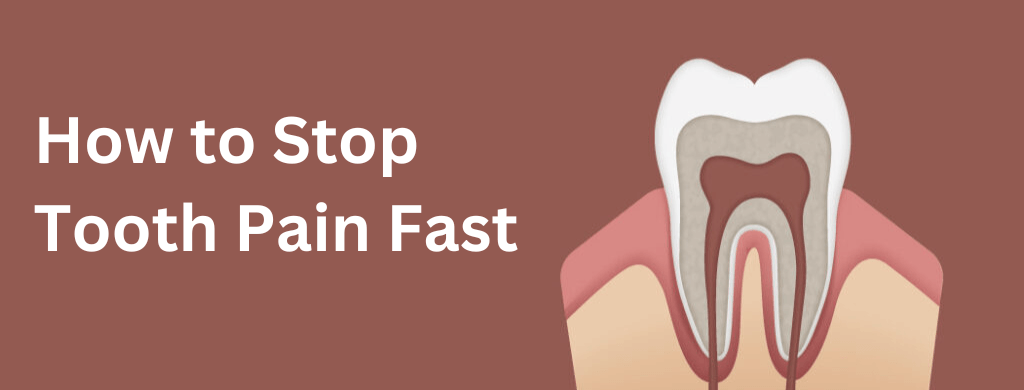
A toothache refers to pain or discomfort in or around a tooth, commonly caused by decay, gum disease, abscesses, or fractures. It can also be a symptom of other health problems, such as sinusitis, ear infection, or temporomandibular joint disorder (TMJ). Toothache can vary from mild to intense and may be accompanied by symptoms like swelling, fever, or trouble chewing. A toothache is usually a sign that something is wrong and requires attention from a dentist.
Causes
- Tooth Decay: Acid produced by bacteria in the mouth can wear away tooth enamel, eventually causing decay, discomfort, and sensitivity.
- Gum disease develops from a gum infection that, if not addressed, can cause discomfort, puffiness, and progressive tooth loss.
- A tooth abscess is an accumulation of pus in the tooth or gums, commonly triggered by neglected cavities or advanced gum disease.
- Tooth Fracture: A cracked or broken tooth may lead to intense pain, particularly when the inner nerve becomes exposed.
- Infected Root Canal: An infected root canal happens when bacteria invade the tooth’s inner chamber, leading to discomfort and inflammation.
- Grinding Teeth: Teeth grinding, known as bruxism, may result in jaw discomfort and heightened tooth sensitivity.
- Tooth Sensitivity: Tooth sensitivity happens when enamel wears away, revealing the tooth’s inner layer and making it more reactive to hot, cold, or sweet stimuli.
Home Remedies
Several home remedies can help alleviate toothache pain. Here are 10 of them:
- Saltwater Rinses: Stir a teaspoon of salt into warm water, gently rinse your mouth for around 30 seconds, and spit it out. This simple remedy can soothe inflammation and fight bacteria in the mouth.
- Clove Oil: Clove oil contains natural anesthetic properties that can ease toothache pain. Dab a little onto the painful area with a cotton ball for relief.
- Peppermint Tea Bags: Peppermint tea bags have soothing and mild numbing effects. Moisten the tea bag and apply it to the painful area for a few minutes.
- Garlic: Garlic’s natural antimicrobial qualities can help eliminate mouth bacteria. Crush a clove, mix it with salt to make a paste, and apply it to the sore area.
- Hydrogen Peroxide: Mix hydrogen peroxide and water in equal parts, gently swirl it in your mouth for half a minute, then discard the solution. Hydrogen peroxide helps kill bacteria and reduce inflammation.
- Vanilla Extract: Vanilla extract has natural numbing properties that can help relieve toothache pain. Mix hydrogen peroxide and water in equal parts, gently swirl it in your mouth for half a minute, then discard the solution.
- Ice Pack: Hold an ice pack against the painful area for a few minutes to help numb the pain and reduce swelling.
- Apple Cider Vinegar: Dilute one teaspoon of apple cider vinegar in a cup of water. Gently swirl the solution in your mouth for 30 seconds, then spit it out. The vinegar’s natural antibacterial effects help reduce harmful bacteria in the mouth.
- Onion: Cut a piece of onion and place it on the affected area. Onions contain natural antimicrobial compounds that help eliminate bacteria in the mouth.
- Acupressure: Press firmly on the spot between your thumb and index finger for several minutes. This can help relieve toothache pain.
- Guava Leaves: These leaves possess anti-inflammatory properties that promote wound healing and antimicrobial effects that support oral health. To use this remedy, chew fresh guava leaves or boil crushed leaves in water to create a natural mouthwash.
Prevention
- Brush and Floss Regularly: Clean your teeth by brushing two times a day and flossing daily to remove plaque and leftover food that can cause cavities and gum problems.
- Use Fluoride Toothpaste: Fluoride toothpaste can help strengthen your teeth and prevent tooth decay.
- Avoid Sugary and Acidic Foods & Drinks: Consuming sugary and acidic foods and beverages can damage tooth enamel and contribute to tooth decay.
- Visit your Dentist Regularly: Regular dental visits every six months help your dentist spot and manage any problems before they become serious.
- Wear a Mouthguard: Wearing a mouthguard can safeguard your teeth from damage if you grind them at night or participate in contact sports.
- Quit Smoking: Smoking contributes to a higher risk of gum disease and oral cancer and lowers the body’s capacity to fight infections effectively.
When to Consult a Doctor?
If you’re experiencing a toothache, it’s best to consult a dentist as soon as possible. A dentist is a healthcare expert trained to identify, prevent, and treat issues affecting the teeth and gums.
You can consult a dentist for a toothache if you’re experiencing the following symptoms:
- Pain or discomfort in or around the tooth
- Swelling in the gums or face
- Sensitivity to hot or cold temperatures
- Pain when biting or chewing
- Fever or headache
Prompt dental care is essential to stop the issue from getting worse. Delaying care can worsen the condition and may eventually result in an infection or permanent tooth damage. Sometimes, you may need to visit an emergency dentist if the pain is severe and immediate attention is required.
Frequently Asked Questions
1. How many times should I use salt water for a toothache?
Rinsing your mouth with salt water for around 30 seconds and spitting it out can provide relief from pain. Doing this every few hours can help clean your mouth of accumulated food particles, bacteria, and other contaminants while reducing swelling.
2. Why is a toothache worse at night?
Toothache discomfort often intensifies at night because of increased blood circulation and inflammation during rest. When lying down, the pressure in the head increases, which can cause increased blood flow and inflammation in the affected area. Additionally, the lack of distraction or activity can cause the pain to feel more intense. Furthermore, a person’s stress levels may be higher at night, which can exacerbate pain perception. If you experience severe toothache pain that disrupts your sleep or persists, seeking professional dental care is important.