 Health
  Find a
  Book an
 Ringworm: Causes, Symptoms, Remedies, and Prevention
March 24, 2026
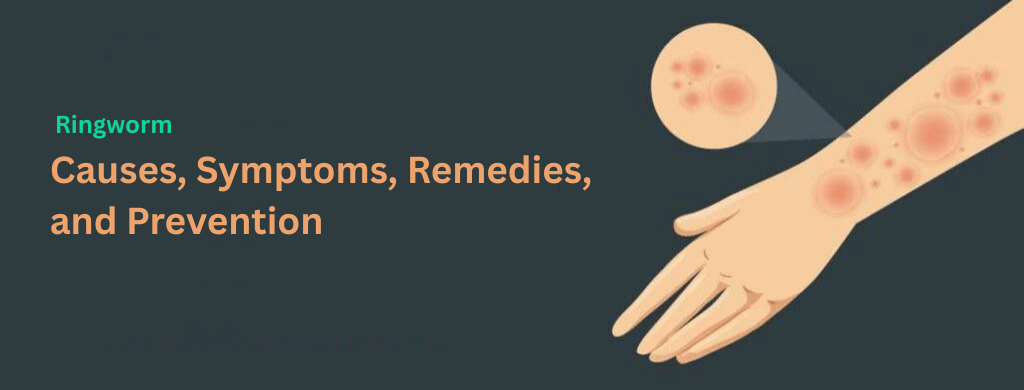
Ringworm is a widespread fungal infection that targets the skin, scalp, and nails. It is not caused by a worm, as the name suggests, but rather by a type of fungus known as dermatophytes. This highly contagious condition can easily spread between individuals, particularly in crowded or poorly ventilated environments. Ringworm can be both uncomfortable and visually unappealing, prompting many affected individuals to seek quick relief.
Symptoms
Ringworm symptoms can differ based on where the infection appears on the body. The most common symptoms of ringworm include the following:
- A circular rash that is red, scaly, and itchy in appearance
- A rash that is surrounded by a raised, red border
- Blisters or pus-filled sores on the skin
- Scaling or flaking of the skin
- Hair loss on the scalp
- Thick, discoloured, or brittle nails
Causes
Ringworm is caused by a type of fungus known as dermatophytes. Dermatophytes flourish in warm, humid conditions and can infect the skin, scalp, or nails upon contact with human skin. Some common causes of ringworm include:
- Contact with infected animals: Ringworm is commonly spread from animals to humans, especially cats.
- Sharing personal items: Sharing towels, brushes, combs, and other personal items with someone who has ringworm can also spread the infection.
- Poor hygiene: Inadequate hygiene, like infrequent handwashing, can raise the risk of contracting ringworm.
- Warm, moist environments: Dermatophytes flourish in warm, damp places like locker rooms, public showers, and swimming pools, heightening the risk of ringworm infection.
Types
Ringworm, or dermatophytosis, can appear on different parts of the body, and each type is named based on its location. Below are the various forms of ringworm and their distinct characteristics:
1. Tinea Pedis (Athlete’s Foot)
This type commonly affects the feet, particularly between the toes and on the soles. Symptoms include persistent itching, burning sensations, dry or cracked skin, and, in some cases, blisters. It’s often caused by excessive moisture from sweating, wearing tight footwear, or not thoroughly drying the feet after bathing or swimming.
2. Tinea Cruris (Jock Itch)
This infection targets the groin area, inner thighs, and sometimes the buttocks. It creates a red, irritated, and often ring-shaped rash, accompanied by itching and discomfort. Jock itch thrives in warm, humid environments and is more frequently seen in men.
3. Tinea Capitis (Scalp Ringworm)
This type affects the scalp and hair, presenting as scaly, itchy patches that may result in temporary hair loss. Common in children, scalp ringworm can cause bald spots that enlarge over time if left untreated.
4. Tinea Corporis (Body Ringworm)
Body ringworm can occur anywhere on the skin and is characterised by circular, red, and itchy rashes with a clearer centre, giving it a distinctive “ring” appearance. It’s most common in areas prone to friction or moisture and is often seen in warmer climates.
5. Tinea Barbae (Beard Ringworm)
This type affects the skin and hair in the beard area, causing inflamed, scaly patches that may become crusted or develop pus. Symptoms can include hair loss and tender swelling in the affected area.
6. Tinea Manuum (Hand Ringworm)
Ringworms on the hands typically appear as thickened, dry, or cracked skin on the palms. It can also create ring-shaped patches, similar to those seen on other parts of the body.
7. Tinea Unguium (Nail Ringworm)
Also called onychomycosis, this type affects the fingernails or toenails. Infected nails become discoloured, brittle, and thickened, and may eventually crumble if untreated.
8. Tinea Faciei (Face Ringworm)
This form occurs on the skin of the face, excluding the beard area. It appears as red, scaly, and itchy patches, which can sometimes be mistaken for conditions like eczema or psoriasis.
By understanding the different types of ringworm and their symptoms, individuals can seek appropriate treatment promptly. Prompt identification and correct management are key to stopping the infection from spreading and ensuring effective treatment. If symptoms appear, seek advice from a healthcare provider for proper evaluation and treatment.
Risk Factors
Several factors may raise your chances of getting ringworm, such as:
- Age: Children are at a higher risk of developing ringworm because their immune systems are still developing.
- Poor hygiene: Neglecting proper hygiene, like failing to wash hands frequently, can elevate the risk of contracting ringworm.
- Exposure to infected animals: People who frequently interact with animals, such as pet owners and farmers, face a greater risk of contracting ringworm.
- Weak immune system: Individuals whose immune systems are weakened, such as those affected by HIV/AIDS, have an increased likelihood of contracting ringworm.
- Skin injuries: Cuts and scrapes on the skin can increase the risk of fungal infection.
Diagnosis
Doctors usually diagnose ringworm by looking at the affected skin. The rash often has a clear shape and pattern, which helps in easy identification.
- Physical Examination: The doctor checks the skin and looks for common signs like red, circular, or scaly patches.
- Medical History: You may be asked about your symptoms, daily habits, and possible exposure to infected people, animals, or surfaces.
- Skin Scraping Test: In some cases, the doctor may take a small skin sample from the affected area for testing. The sample is then checked under a microscope or sent to a lab to confirm the infection.
In simple terms, ringworm is often diagnosed by its appearance, and tests are done only if needed to confirm the condition.
Treatment
Ringworm is treated with antifungal medicines that help kill the fungus causing the infection. The type of treatment depends on how severe the infection is and where it appears on the body.
- Topical Antifungal Medicines: Mild cases can be treated with over-the-counter creams, gels, sprays, or powders. These are applied directly to the infected area of the skin.
- Prescription Medicines: If the infection is severe, widespread, or does not improve, the doctor may prescribe stronger creams or oral antifungal tablets.
- Oral Antifungal Treatment: Infections on the scalp, nails, or large areas of the body often need medicines taken by mouth. Treatment may continue for several weeks.
- Antifungal Shampoo: For scalp infections, medicated shampoo can help control the spread of the fungus. It is usually used along with oral medicine.
- Proper Skin Care: Keep the affected area clean and dry. Wash the area regularly and dry it with a clean towel. Do not share personal items such as towels or clothing.
- Complete the Treatment: Always use the medicine for the full recommended time, even if the rash looks better. Stopping early may cause the infection to return.
In simple terms, ringworm can be treated effectively with antifungal medicines and good hygiene, and most cases improve within a few weeks.
Home Remedies
Here are some of the most effective home remedies for ringworm:
- Tea tree oil: With its antifungal effects, tea tree oil can be topically applied to the infected area to support ringworm recovery.
- Garlic: Garlic’s natural antifungal qualities make it useful for treating ringworm when applied directly to the affected skin.
- Apple cider vinegar: With its antifungal benefits, apple cider vinegar can aid in ringworm treatment. Use a cotton ball to apply it and allow it to dry on its own. Repeat this process twice to thrice daily until the infection clears.
- Coconut oil: Its antifungal and anti-inflammatory qualities make it a useful remedy for treating ringworm. Apply the oil to the infected area two to three times daily for best results.
- Turmeric: Turmeric contains antifungal compounds and can be used as a natural remedy for treating ringworm. Mix turmeric powder and water into a thick paste, then gently apply it to the ringworm-affected area. Leave the paste on for 30 minutes before washing it off with warm water.
- Oregano oil: Oregano oil possesses antifungal properties and can help treat ringworm. Apply a few drops to the infected area two to three times daily.
- Neem oil: Neem oil, known for its antifungal effects, can be used to treat ringworm. Apply a few drops to the affected skin two to three times daily.
- Lemon juice: Lemon juice has antifungal properties and can be used to treat ringworm. Apply the juice to the infected area using a cotton ball and leave it to dry naturally. Repeat this process two to three times a day until the infection has cleared.
It is important to remember that these remedies may not work for everyone and that some people may have skin reactions to certain ingredients. If your symptoms continue or get worse, it’s important to see a doctor for appropriate treatment.
Prevention Tips
In addition to home remedies, you can take simple steps to prevent the spread of ringworm and support healing.
- Clean the infected area with soap and water, and dry it completely to avoid moisture buildup.
- Keep your hands clean by washing them regularly.
- Do not share personal items like towels, hairbrushes, or combs.
- Wear loose-fitting clothing to allow proper airflow and help the skin heal.
- Avoid scratching, as it can worsen the infection and spread it to other areas.
- Wash your bedding daily and dry it in sunlight to reduce the risk of spreading the infection.
- Keep your surroundings clean and dry, especially areas prone to sweating like the feet, groin, and underarms.
- If a pet is infected, take steps to prevent spreading the infection to other pets and people.
In summary, ringworm is a common fungal infection that can be managed with proper care and simple natural remedies such as turmeric, oregano oil, coconut oil, and apple cider vinegar.
When to See a Doctor?
Consult a dermatologist if your symptoms continue or worsen despite using home remedies, especially if you have diabetes, a weakened immune system, or any other health condition that may lead to complications. Your doctor can diagnose the infection and determine the best course of treatment, which may include prescription antifungal medication.
Frequently Asked Questions
1. Can ringworms go away naturally?
Ringworm can go away naturally, but it may take several weeks or even months to resolve on its own. In some cases, the infection may even spread or worsen if left untreated. It’s recommended to seek medical treatment if you suspect you have ringworm, especially if it is not improving or spreading.