 Health
  Find a
  Book an
 Paresthesia: Causes, Diagnosis, & Prevention
February 17, 2026
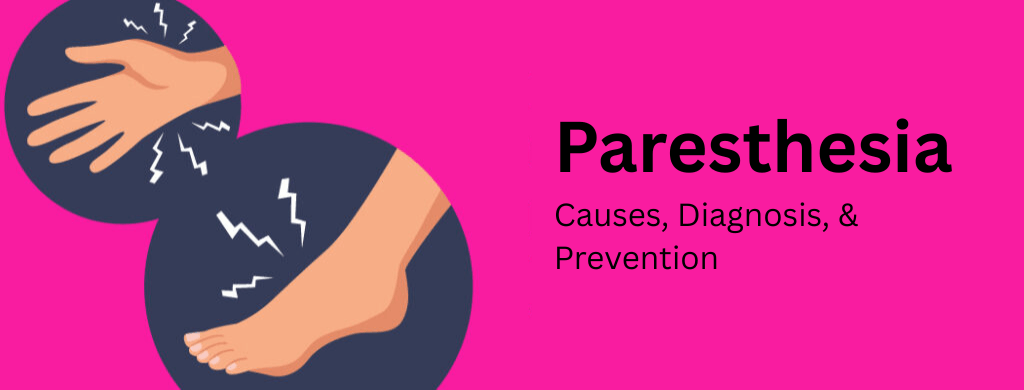
You may have experienced paresthesia if you’ve ever felt a crawling sensation on your skin or had unexplained itching or numbness.
Paresthesia has almost certainly happened to everyone at some point. When their arms or legs “fall asleep,” people frequently experience that familiar pins-and-needles sensation. This sensation typically happens as a result of unintentionally pressing against a nerve. Once you move to relieve pressure on the afflicted nerve, the problem goes away. This kind of paresthesia is temporary and typically goes away on its own. If the paresthesia doesn’t go away, you might have a condition that needs to be treated at the medical level.
Signs
Any area of the body can have paresthesia, although it most frequently affects the:
- Hands
- Arms
- Legs
- Feet
It could be short-lived or persistent. Feelings like these can be among the symptoms:
- Numbness
- Weakness
- Tingling
- Burning
- Cold
Having chronic paresthesia might hurt like a stabbing. This could cause the affected limb to become clumsy. In addition, it might be challenging to walk when paresthesia affects your legs and feet.
If your paresthesia symptoms worsen or have an impact on your quality of life, consult a doctor. It may be a sign of an underlying medical condition that requires internal treatment.
Types
Transient (Temporary): This is the most common form and lasts for a short duration. For instance, if you sit in a certain position for too long, you may experience a tingling or pins-and-needles sensation in your leg. Once you change position, the feeling typically returns to normal.
Persistent (Chronic): This type of paresthesia persists and does not go away easily. It is often a symptom of underlying medical conditions that require attention. Minor cases can result from issues like carpal tunnel syndrome or cubital tunnel syndrome. However, more serious causes include poor circulation or nerve damage, which may need medical intervention.
Causes
Paresthesia usually happens when a nerve is irritated, compressed, or damaged. The causes can be temporary or long-term.
Temporary causes are common and harmless. They often occur due to pressure on a nerve or reduced blood flow, such as sitting in one position for too long or sleeping on your arm. Dehydration, panic attacks, migraines, or minor injuries can also cause it.
Persistent causes may be related to medical conditions, including:
- Nerve problems, such as pinched nerves, herniated discs, or neuropathy (often due to diabetes)
- Poor blood circulation
- Vitamin deficiencies (especially vitamin B group)
- Hormonal or metabolic disorders, such as thyroid problems
- Infections, autoimmune diseases, or stroke
- Exposure to toxins, alcohol, or certain medicines
- Injuries or repetitive strain
If the symptoms do not go away or happen often, it is important to see a doctor to find the exact cause.
Who Gets Paresthesia?
Some things make having a pinched nerve more likely:
- Women are generally more prone to carpal tunnel syndrome than men, likely because they have a narrower nerve canal.
- Obesity: Carrying too much weight might strain the nerves.
- Pregnancy: Weight increase and water retention brought on by pregnancy can enlarge tissues and put a strain on nerves.
- Thyroid disease: This increases the possibility of developing carpal tunnel syndrome.
- Diabetes: Diabetic patients may experience nerve and tissue damage.
- Inflammation brought on by rheumatoid arthritis may also induce nerve compression in the joints.
- Long-term lying down in bed: Long-term lying down increases the risk of paresthesia and can compress the nerves.
Diagnosis
A doctor will first obtain a patient’s medical history and inquire about their symptoms to diagnose paresthesia.
After that, the doctor will probably do a physical examination, depending on the results.
- The study of nerve conduction assesses the speed at which nerve impulses go through the muscles.
- Examining the electrical activity of how nerves and muscles interact through electromyography (EMG).
- Using magnetic resonance imaging (MRI), one may examine the various parts of the body in great detail.
- Ultrasound: This imaging technique, which creates images of the body, can be used on smaller areas to check for nerve injury or compression, such as that seen in carpal tunnel syndrome.
Treatment
The treatment for paresthesia depends on its cause. Temporary paresthesia, such as when a hand or leg “falls asleep,” usually goes away on its own within a few minutes after changing position. Persistent paresthesia may need medical treatment.
Treating the underlying cause is the main approach. For example, managing diabetes, correcting vitamin deficiencies, or treating infections can help reduce symptoms.
Lifestyle changes may also help, such as:
- Improving posture and using proper body support
- Avoiding repetitive movements that strain nerves
- Doing regular exercise to improve blood flow
Medications may be used to relieve pain, reduce inflammation, or manage nerve-related symptoms, depending on the condition.
Physical therapy can strengthen muscles, improve movement, and reduce pressure on nerves. Techniques like massage, heat therapy, or electrical stimulation may provide relief.
Surgery may be needed in severe cases, especially when there is nerve compression, such as in carpal tunnel syndrome or spinal problems.
Some people also find relief with supportive therapies like acupuncture or chiropractic care. Your doctor will decide the best treatment based on your symptoms and overall health.
Prevention
Paresthesia is sometimes impossible to avoid. For instance, if you frequently fall asleep in your arms, you probably can’t stop it. However, there are things you can take to lessen paresthesia’s frequency or intensity. For instance, wrist splints at night may reduce compression on your hand’s nerves and help with paresthesia symptoms.
To avoid developing chronic paresthesia, remember to:
- If at all possible, avoid repetitive movement.
- If you have to do repetitive motions, take frequent breaks.
- If you have to sit for an extended time, get up and move around as often as you can.
- Careful monitoring and illness treatment, if you have diabetes or any other chronic disease, will reduce your risk of developing paresthesia.
When to Seek Medical Help?
Any strange feelings that persist for more than a few minutes or come back should be discussed with your doctor because paresthesia might indicate a disease, problem, or condition.
Seek immediate medical assistance in an emergency center if you develop paresthetic symptoms while doing any of the following:
- A lack of bowel or bladder control
- Paralysis
- Confusion
- The extremities are weakened
- Slurred speech
Which doctor should I consult for Paresthesia?
A neurologist should be consulted for the treatment of paresthesia.
Summary
The medical name for a sensation of tingling and numbness across the body is paresthesia. Some people describe it as having pins and needles.
Many people occasionally experience paresthesia, which is frequently brought on by spending a lot of time in one place, like sitting or riding a bike. Seek medical attention, however, if you discover that the tingling is prolonged or feels intense or unsettling in any way.
The underlying cause of paresthesia will determine how it is treated. Both orthopedic and neurological reasons may be to blame.
The medical name for a sensation of tingling and numbness across the body is paresthesia. Some people describe it as having pins and needles.
Many people occasionally experience paresthesia, which is frequently brought on by spending a lot of time in one place, like sitting or riding a bike. Seek medical attention, however, if you discover that the tingling is prolonged or feels intense or unsettling in any way.
The underlying cause of paresthesia will determine how it is treated. Both orthopedic and neurological reasons may be to blame.
Frequently Asked Questions
1. Which nerve is commonly associated with paresthesia?
Your leg or foot may have paresthesia if you have lumbar radiculopathy. Compression of the sciatic nerve can happen in more serious situations, which can cause weakness in your legs. A sizable nerve that originates in your lower spinal cord is called the sciatic nerve.