 Health
  Find a
  Book an
 Pinguecula: Causes, Prevention, and Treatment
February 17, 2026
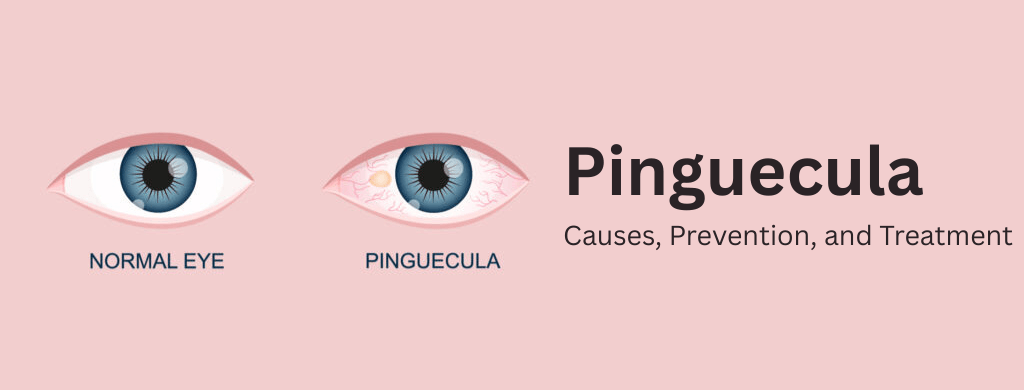
A pinguecula is a harmless, noncancerous growth on the conjunctiva, the clear tissue covering the white of the eye, often seen as a yellowish-white bump. Though it can occasionally appear on the outer, it typically develops on the side of the eye closest to the nose. Pingueculae (plural) are protein, fat, or calcium deposits that develop due to long-term environmental exposure, particularly dust, wind, and sunlight, and are commonly linked to this change. Under these conditions, the conjunctiva’s elastin fibers may gradually degrade.
Although these growths are normally harmless and do not impede vision, they can occasionally cause dryness, redness, and irritation, particularly if they alter the natural distribution of tears. Pingueculae rarely pose severe problems, but they don’t go away on their own and may grow somewhat with time. As people age, pingueculae become more prevalent due to accumulated exposure to risk factors. Pingueculae in both eyes are more common in people who spend a lot of time outside, especially in abrasive environments.
Symptoms
A pinguecula usually appears as a small growth on the white part of the eye. Many people may not notice any discomfort at first. However, some symptoms can develop over time, especially if the growth becomes irritated.
Common symptoms include:
- A small, raised yellow, white, or light brown bump on the white part of the eye
- A feeling that something is stuck in the eye (foreign body sensation)
- Mild eye irritation or discomfort
- Dryness in the eye
- Redness around the affected area
- Itching or burning sensation
- Watery eyes or increased tearing
The growth can occur in one or both eyes. It usually develops slowly over months or years. Sometimes, the pinguecula becomes inflamed. This condition is called pingueculitis and can cause more redness, irritation, and watering.
Causes
Pinguecula typically develops due to prolonged exposure to environmental factors that irritate the conjunctiva. Over time, this irritation triggers the formation of a raised, yellowish growth. Common causes include:
- UV Radiation: Frequent exposure to sunlight, particularly without proper eye protection, is a leading cause. The sun’s ultraviolet (UV) rays can gradually damage the conjunctiva, increasing the risk of pinguecula formation.
- Environmental Irritants: Wind, dust, and sand can irritate the eyes, contributing to the development of pinguecula. People who spend a lot of time outdoors are more susceptible.
- Occupational Hazards: Certain jobs, such as arc welding, carry a higher risk due to intense light exposure and eye irritation.
- Aging: Pingueculae are more common in older adults, as years of environmental exposure gradually affect the eyes.
Although the exact cause is not always identifiable, reducing exposure to these triggers can help lower the risk of developing a pinguecula.
Diagnosis
Doctors usually diagnose pinguecula during a routine eye examination. An eye care professional will carefully check your eye and ask about your symptoms, lifestyle, and exposure to dust, sunlight, or wind.
The doctor often uses a special instrument called a slit lamp. This device works like a microscope with a bright light. It helps the doctor see the growth clearly and examine the front part of the eye in detail. This also helps them tell the difference between pinguecula and other similar eye conditions.
In most cases, no additional tests are needed. However, if the doctor is unsure about the diagnosis, they may suggest extra tests such as:
- Vision test: To check if the growth affects eyesight
- Imaging tests: To monitor changes in the growth over time
- Biopsy (rare): A small sample of tissue may be taken to rule out other conditions
It is important to distinguish pinguecula from other eye problems, such as pterygium, cysts, or infections, because the treatment may be different. Early diagnosis helps in proper care and prevents unnecessary complications.
Prevention and Treatment
Pingueculae can be prevented by protecting your eyes from environmental factors and UV radiation.
- Use sunglasses to shield your eyes from harmful sun exposure. Opt for sunglasses that shield your eyes from both UVA and UVB rays. Additionally, sunglasses shield your eyes from dust, wind, and other particles.
- Use Artificial Tears (eye drops) to prevent dryness and irritation. Keep your eyes moisturized. If you use eye drops more than four times per day, choose preservative-free versions to avoid irritation.
- When working in dry, dusty, or windy situations, wear appropriate eye protection.
These precautions help reduce the risk of getting pingueculae, especially for those who spend a lot of time outside for work or recreation. Surgical removal entails removing the growth and replacing it with healthy conjunctiva or other eye tissue. This is usually reserved for cases of chronic inflammation, visual impairment, or cosmetic issues. Most pingueculae are innocuous and will not go away on their own, although therapy can help manage symptoms when necessary.
Even while pingueculae are usually harmless eye problems, they might cause irritation or complications that must be addressed. You can protect your eye health by understanding the causes, symptoms, and potential treatments. Simple actions like avoiding irritants, drinking enough water, and wearing UV-blocking eyewear can help preserve eye comfort while preventing the growth of pingueculae. If you are experiencing persistent discomfort or vision difficulties, consult an eye specialist to determine the best course of action. Keep in mind that keeping your vision and overall eye health demands prompt action.
Frequently Asked Questions
1. What happens if my pinguecula keeps growing?
Rarely does a pinguecula continue to grow until it forms a unique growth known as a pterygium. A pterygium is just a more aggressive version of a pinguecula. It grows faster and has a raised, wedge-shaped look with visible blood vessels. It can occasionally spread throughout your cornea and compromise your vision.
2. When should I see an eye care provider about my pinguecula?
If you have a new growth on your eye and are unsure of its nature, see an eye care professional. Additionally, inform them if your pinguecula appears to be growing and changing, produces symptoms, or impairs your eyesight. Your doctor can look for any changes and suggest the best course of action.