 Health
  Find a
  Book an
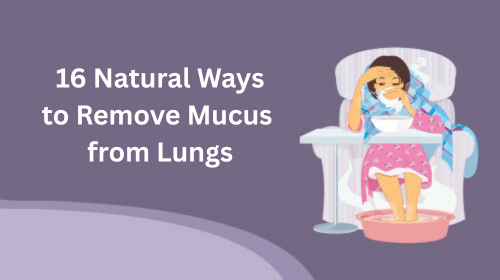
 16 Natural Ways to Remove Mucus from Lungs
June 13, 2025
Lung health is essential for overall health. This is because the lungs are self-cleaning organs that begin to heal once their exposure to pollutants decreases, for example, when someone quits smoking.
After being exposed to pollution, such as cigarette smoke, the chest may feel full, congested, or inflamed. Trapped mucus in the lungs can harbour harmful microbes, often resulting in a heavy or congested feeling.
Lung cleansing methods can be helpful for smokers, individuals frequently exposed to air pollution, and those with chronic respiratory issues like asthma, COPD, or cystic fibrosis.
Exposure to air pollution, tobacco smoke, and toxic substances can impair lung function and increase the risk of respiratory issues. Keeping your lungs healthy is crucial for supporting overall well-being throughout the body.
The World Health Organisation (WHO) reports that air pollution contributes to approximately 4.2 million deaths globally each year.
Elimination of Phlegm and Mucus from Lungs
Is it possible to naturally remove mucus from the lungs without requiring a medical diagnosis and treatment? Yes, it is possible, as it is a self-cleaning organ.
Phlegm refers to the mucus generated by the lungs and lower respiratory tract. This is most evident when a person suffers from an acute illness or chronically poor health.
Certain techniques can help individuals clear mucus and irritants from the lungs, easing chest congestion and related discomfort.
Natural Home Remedies
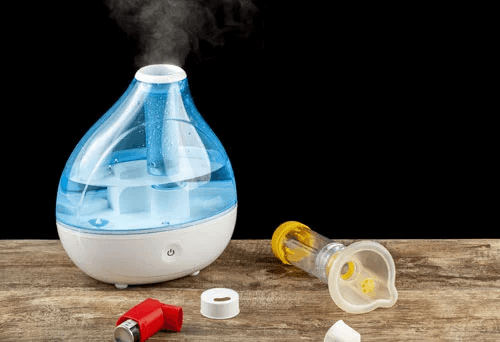
1. Cool Mist Humidifier: Dry air can make the nose and throat irritated, which can lead to more mucus being produced as a lubricant. Using a cool-mist humidifier in the bedroom may enhance sleep quality, relieve nasal congestion, and help prevent a sore throat.
2. Plenty of Fluids for the Rescue: The body needs water to keep the mucus thin. When someone has a cold, staying well-hydrated can help loosen mucus and clear the sinuses more effectively. In addition, people with seasonal allergies may find that staying hydrated helps avoid congestion. You can also drink warm beverages like water, apple juice, chicken soup, decaffeinated black tea, or green tea to stay hydrated and soothe symptoms.
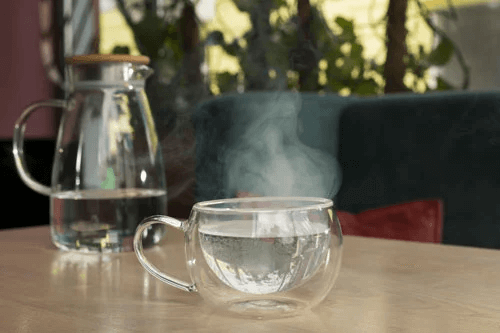
3. Steam Inhalation: This technique helps clear the airways and drains mucus. Individuals with lung conditions may experience intensified symptoms when exposed to cold or dry air. Inhaling steam helps warm and humidify the air, which can ease breathing and loosen mucus in the airways. Inhaling water vapour can offer immediate relief and improve breathing
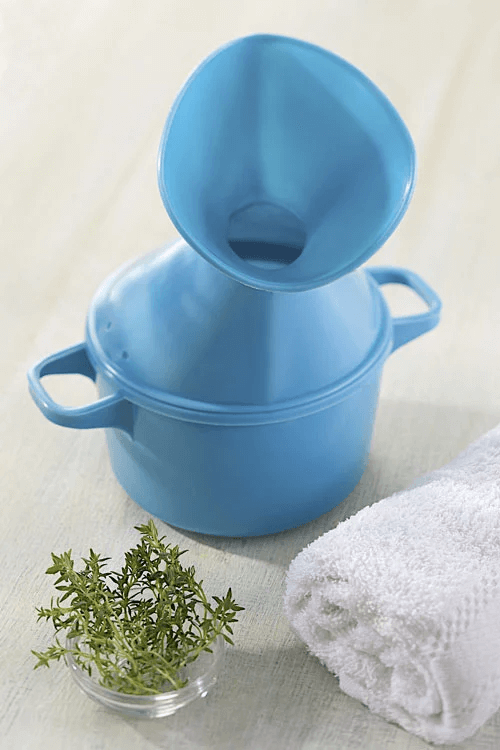
4. Inhale through a Damp Cloth: It can be a soothing remedy for throbbing sinus headaches. Breathing through a damp cloth can help add moisture to the nasal passages and throat, easing dryness and irritation. In addition, the heat will help to relieve pain and pressure.
5. Keep the Head Elevated: If mucus buildup is bothersome, sleeping with your head elevated on multiple pillows or in a recliner can promote better drainage and ease breathing. Lying flat can make breathing more difficult because mucus may accumulate at the back of the throat.
6. Spit it Out: When phlegm accumulates in the lungs, the body is likely trying to remove it. Therefore, spitting is better than swallowing.
7. Nasal Spray: A saline spray or irrigator can help clear out mucus and allergens from the nose and sinuses. Choose sterile saline sprays with only sodium chloride, and ensure you use distilled or sterile water for nasal irrigation.

8. Saltwater: It can soothe an irritated throat and help remove residual mucus. Rinsing your throat several times a day with warm salt water made by dissolving a teaspoon of salt in a glass can ease irritation and help clear mucus.
9. Eucalyptus Oil: Eucalyptus products have been used for many years to reduce coughing and mucus production. They are usually applied directly to the chest. Adding eucalyptus oil to a diffuser or warm bath can aid in relieving nasal congestion and promoting clearer breathing.

10. No Smoking: Both active and passive smoking stimulate the body to generate excess phlegm and mucus.

11. Food Allergies: Some foods can cause allergic reactions that look like those caused by seasonal allergies. With the change in weather, people may experience a runny nose and an itchy throat, which can lead to excess mucus. Keep a record of foods that cause an increase in phlegm or mucus.
12. Avoid Caffeine: If you want to avoid drinking alcohol and caffeine, you should try to stick to water and low-fat foods. Both substances can lead to dehydration if taken in excess. When you have trouble clearing your throat or nose, drink plenty of warm, non-caffeinated fluids.

13. Hot Shower: A warm shower or bath can generate steam that eases congestion by helping to thin and drain mucus from the nose and throat. In addition, hot water pulsing on the face can help relieve sinus pressure.

14. Blow the Nose: It may be tempting to keep blowing until thick mucus emerges. However, treating your respiratory infection may not be the best way. Forcing the sinuses too much may cause pain, pressure, and even infection.

15. Consume Plenty of Fruits: Eat lots of fruits. One study found that a diet high in fibre from fruit and oil may lead to fewer respiratory problems linked to phlegm.

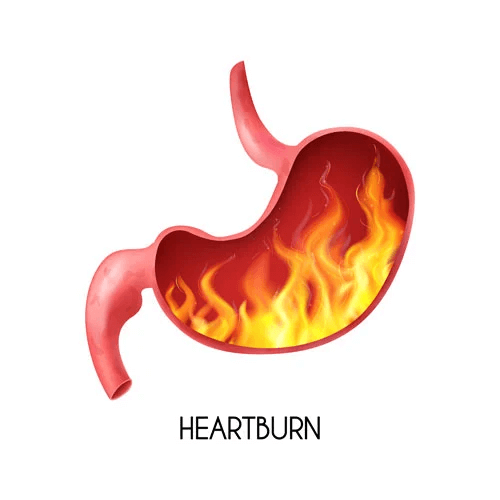
16. Avoid Foods that Cause Acid Reflux: Avoid foods that can cause reflux. Acid reflux may trigger the excess production of phlegm and mucus in the throat. Individuals who frequently experience heartburn should steer clear of known trigger foods and seek medical advice for effective treatment.
Frequently Asked Questions
1. What dissolves mucus in the lungs?
Medications like guaifenesin (found in Mucinex or Robitussin) act as expectorants, helping to thin and loosen mucus for easier clearance from the throat and chest.