 Health
  Find a
  Book an
 Menstrual Cramps: Causes, Triggers, and Effective Home Remedies
February 6, 2026
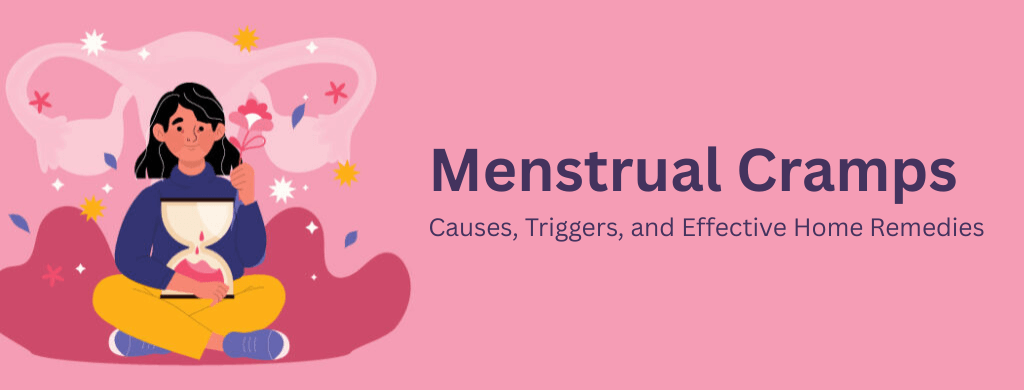
Many individuals experience stomach or pelvic pain at the beginning of their menstrual cycle. In rare circumstances, treatments can provide relief.
During a period, the uterus tightens to help remove its inner lining, which exits the body through the vagina. This tightening can cause discomfort or pain, often referred to as menstrual cramps.
The majority of menstruating women experience cramps in the lower abdomen, though the discomfort can also extend to the lower back, groin, or upper thighs. These cramps are usually most intense at the beginning of the period and tend to ease after a few days.
Causes
Menstrual cramps happen when the uterus tightens during a period. The uterus is a muscle. It contracts to help push out its lining as menstrual blood. Some persons have discomfort. As a result, ranging from mild to severe. These sensations usually last 48 to 72 hours and can get softer as people age.
Hormone-like chemicals called prostaglandins trigger these contractions. Higher prostaglandin levels cause stronger contractions and more pain. Prostaglandin levels are usually highest on the first day of a period.
Strong contractions can press on nearby blood vessels. This can briefly reduce oxygen supply to the uterus. The lack of oxygen can cause pain and cramping.
Cramps usually begin after ovulation starts. Because of this, painful periods often begin about a year or more after the first period.
Some medical conditions can also cause menstrual cramps:
- Endometriosis: Tissue that acts like the uterine lining grows in places outside the uterus, often on the ovaries, fallopian tubes, or the lining of the pelvis.
- Uterine fibroids: These are benign lumps that develop in the wall of the uterus and may lead to pain.
- Adenomyosis: Tissue that usually lines the inside of the uterus starts growing into the muscle layer of the uterus.
- Pelvic inflammatory disease (PID): This is an infection of the female reproductive organs. It is often caused by bacteria spread through sexual contact.
- Cervical stenosis: The opening of the cervix is narrower than normal. This can slow menstrual flow and increase pressure inside the uterus, leading to pain.
- Ovarian cyst: A cyst in the ovary can sometimes cause very severe cramping.
Some people are more likely to have menstrual cramps. Risk factors include:
- Being younger than 30
- Starting puberty at age 11 or earlier
- Heavy menstrual bleeding
- Irregular menstrual periods
- A family history of painful periods
- Smoking
Home Remedies
There are ways you can regain control if period pain cramps your style every month. Here are 14 tried-and-true home treatments to help you feel better and return to your busy schedule.
1. Comfort Foods
You shouldn’t be buddies with potato chips, doughnuts, or other fried, fatty meals. Instead, consume whole grains, lentils, beans, vegetables (particularly leafy dark-green ones), fruits, and nuts as part of a low-fat, high-fiber diet.
Nutrients like vitamins E, B1, B6, magnesium, zinc, and omega-3 fatty acids help lower the hormone-like substances that trigger severe cramps and also help relax muscles and reduce inflammation.
2. Stay Hydrated
Although water might not directly ease cramps, staying well-hydrated can help minimize bloating, which often worsens cramp discomfort. As your period approaches, keep a water bottle handy and consider adding mint or a splash of lemon for flavor. It’s also important to limit your salt intake to under 2,300 milligrams per day and avoid alcohol, as both can contribute to dehydration.
3. Cut the Latte Down
Avoid drinking coffee the day before and the day of your period since caffeine might aggravate cramping. Avoid combining it with tea, chocolate, soda, or energy drinks. Instead, try a small, veggie-packed smoothie in the morning or in the middle of the day.
4. Massage
Spending as little as 5 minutes daily on your stomach can improve blood flow and reduce stress, making you feel better. Several days before your anticipated menstruation, begin. After their period, women who started applying a lotion containing a combination of marjoram, clary sage, and lavender essential oils experienced cramps that lasted for shorter periods the next month. These essential oils include pain-relieving ingredients.
5. Orgasm
Menstrual cramps may be relieved by having an orgasm. This is because the uterus contracts during an orgasm and then relaxes. This might minimize the severity of menstrual cramps.
Similar to physical activity, having an orgasm causes the production of endorphins and other pain-relieving hormones, which makes one feel wonderful.
6. Take a Bath
Taking a hot bath is another effective way to soothe and relax the muscles in your back, pelvis, and abdomen. Enhancing your bath with a few drops of essential oils like lavender, sage, or rose mixed with a carrier oil can boost its pain-relieving benefits. Adding Epsom salt may also help ease muscle soreness. For the best results, soak for at least 15 minutes.
7. Steer Clear of Coffee and Salty Foods
Regarding reducing or increasing period pain, some foods are better than others.
Opting for foods that naturally combat inflammation may provide relief. These include:
- Berries
- Avocado and fatty fish
- Virgin extra olive oil
It’s also wise to avoid foods that contribute to bloating, water retention, and discomfort. Examples include sour food, caffeinated beverages, and fatty foods.
8. Exercise
While scientific evidence is limited, many women find that exercising helps them relax and eases period discomfort. Exercise triggers the release of endorphins, which are natural brain chemicals that promote a sense of well-being. So go for a walk, get on the treadmill, or swim.
9. Put Heat Into It
Nowadays, you can enjoy comforting warmth without needing to plug anything in. Whether you’re at your desk or out and about, options like rechargeable cordless heat wraps, disposable ones designed for menstrual cramps, or microwaveable heat pads offer convenient relief.
When to Seek Medical Help?
If home remedies do not relieve cramps or a person suffers particularly severe cramping, they may want to speak with a doctor.
To handle the symptoms, a doctor may advise trying more at-home cures or prescribe medication, such as birth control pills or specific painkillers.
Other signs that may require a visit to the doctor include:
- Extremely painful or uncomfortable cramps that interfere with daily living
- Very heavy bleeding and cramps that worsen with time or age
These signs could point to an underlying illness for which a doctor can recommend a successful course of treatment.
Doctor for Period Cramps
Make an appointment with your primary physician or a medical professional specializing in the female reproductive system (Gynaecologist) if you experience bothersome menstrual cramps.